
Shalin Soni
Photos Dinesh Shukla
Over the last decade, India has witnessed an exciting transformation in its tourism and
hospitality landscape. While culture, history, and spirituality have always been the pillars
of Indian tourism, culinary tourism has emerged as a powerful new force. Travelers no
longer come to India just for monuments or beaches—they increasingly arrive with a
hunger to discover authentic flavors, regional food traditions, and immersive dining
experiences. This trend is reshaping how hotels, resorts, and homestays position
themselves, giving food a central role in hospitality.
For instance, travelers visiting heritage stays in Rajasthan often find that what stays with
them is not just the architecture but the personal touch in dining — such as a chef
sharing how Laal Maas was prepared in his grandmother’s kitchen. These authentic
stories elevate the stay beyond accommodation, turning it into a memory worth retelling.
What Is Culinary Tourism and Why It Matters
Culinary tourism, also known as food tourism or gastronomy tourism, is all about
exploring a destination through its cuisine. It involves more than just eating at
restaurants; it’s about participating in cooking workshops, exploring local markets,
tasting regional specialties, and engaging with the stories behind food traditions.
Globally, culinary tourism is booming. According to the World Food Travel Association,
nearly 80% of leisure travelers consider food experiences an important factor in their
travel decisions. India, with its incredible diversity of cuisines—ranging from Mughlai
kebabs to Kerala’s seafood curries—offers one of the richest culinary landscapes in the
world. For the hospitality industry, this is both an opportunity and a responsibility.
How Culinary Tourism Is Transforming the Hospitality Sector in India
1. Menus That Tell Stories
Gone are the days when hotels relied solely on generic “continental” offerings to please
international guests. Today, menus act as cultural ambassadors. Resorts in Kerala
now proudly serve meals on banana leaves with detailed notes about Ayurvedic
principles, while hotels in Rajasthan highlight ancient royal recipes like Gatte ki Subzi or
Dal Baati Churma. Storytelling is woven into the menu itself, turning dining into an
experience rather than a transaction.
2. Farm-to-Table and Local Sourcing
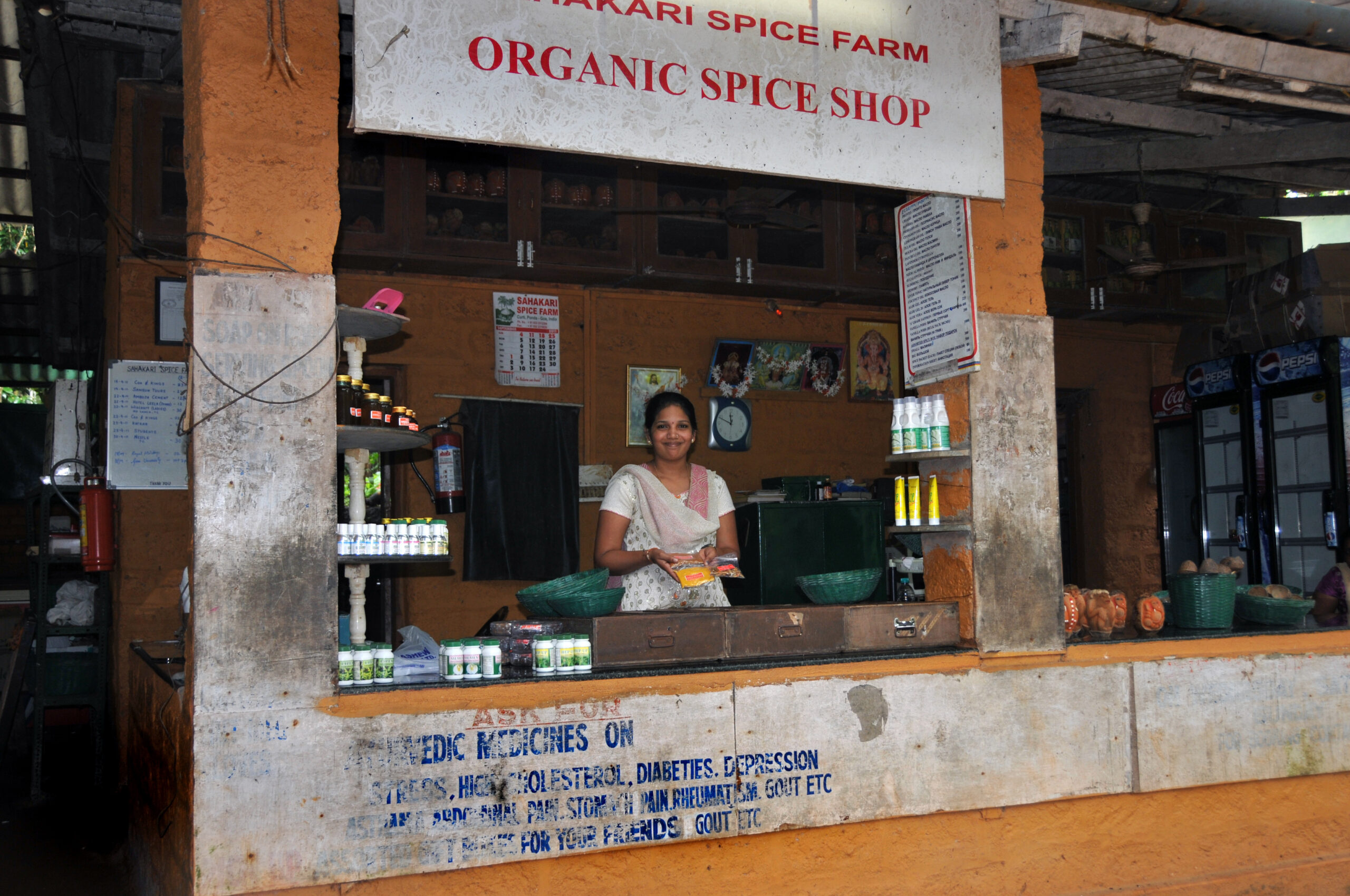
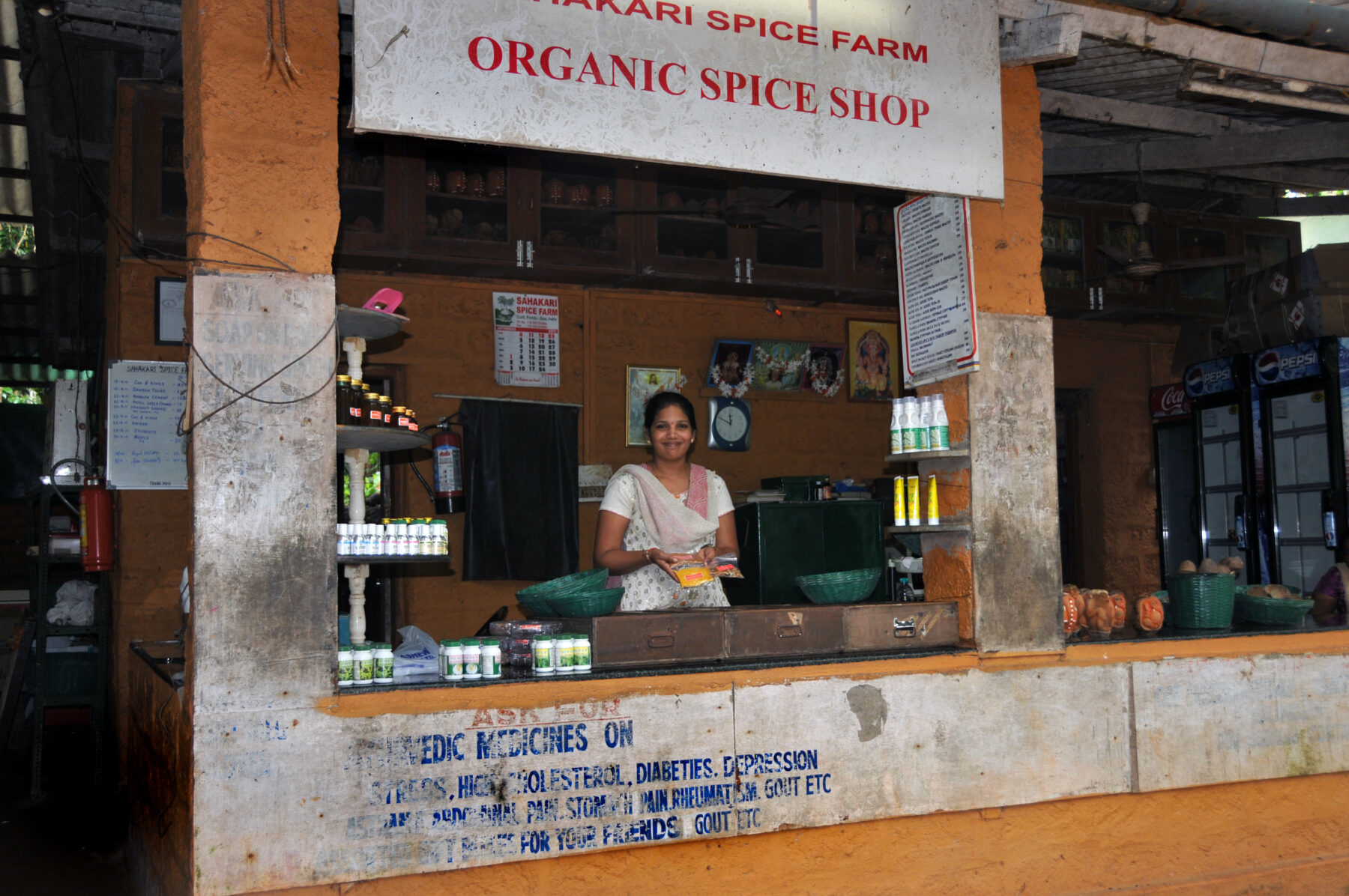
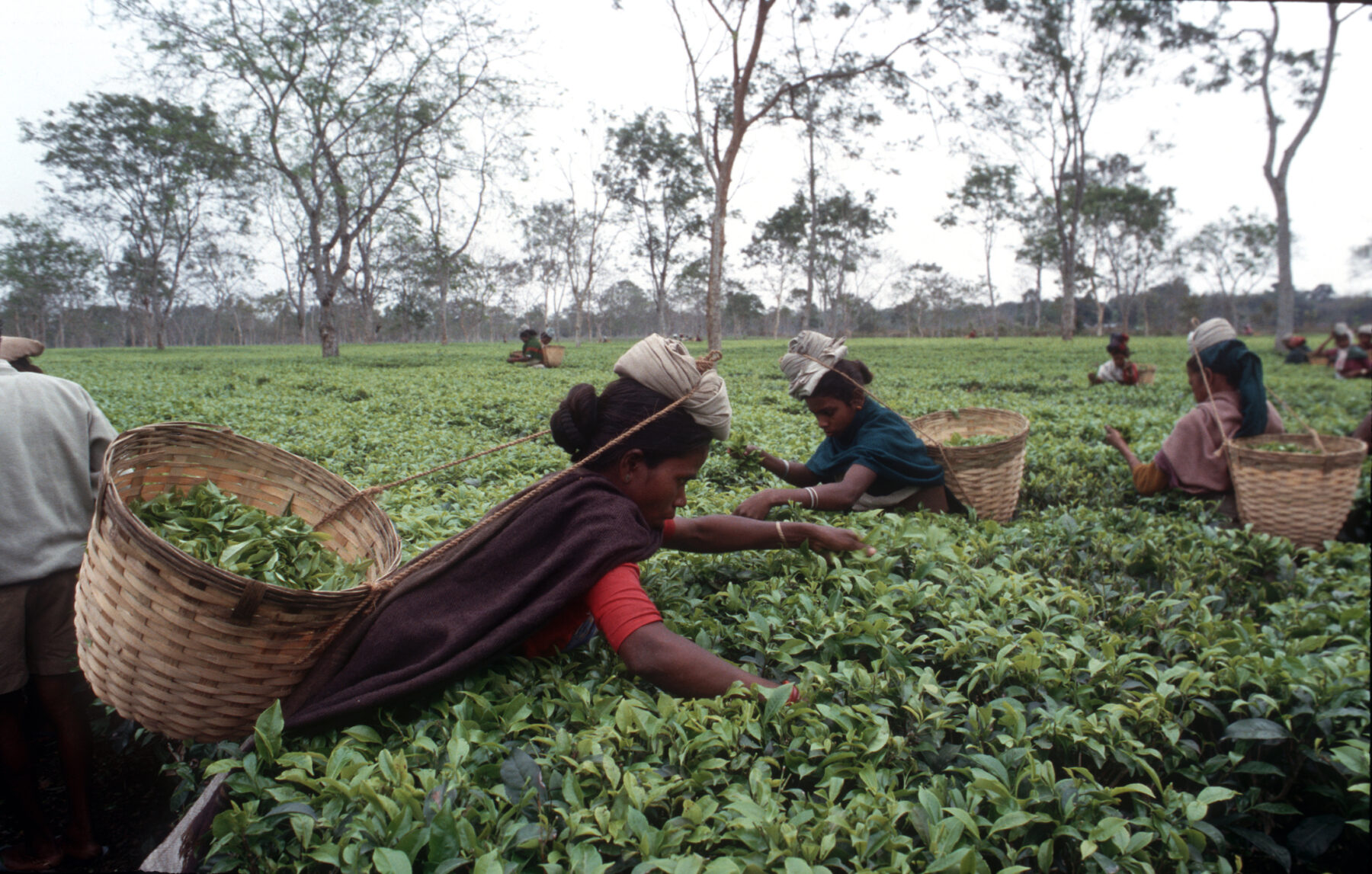
One of the strongest trends in Indian hospitality is farm-to-table dining. Resorts in
Coorg invite guests to pluck spices from plantations before enjoying a freshly prepared
curry. Boutique hotels in Himachal Pradesh source vegetables directly from nearby
farms, ensuring freshness while supporting local communities. This connection between
agriculture and hospitality deepens the authenticity of the stay.
3. Cooking Classes and Immersive Experiences
Cooking workshops have become a highlight for many hotels and homestays. From
Goan seafood classes where travelers learn to prepare prawn balchao, to Kashmiri
wazwan demonstrations in Srinagar, these experiences allow guests to actively
participate in the culinary story. Hospitality businesses benefit because such workshops
create memories that outlast the trip, often leading to repeat visits and enthusiastic
word-of-mouth promotion.
4. Collaborations with Local Food Entrepreneurs
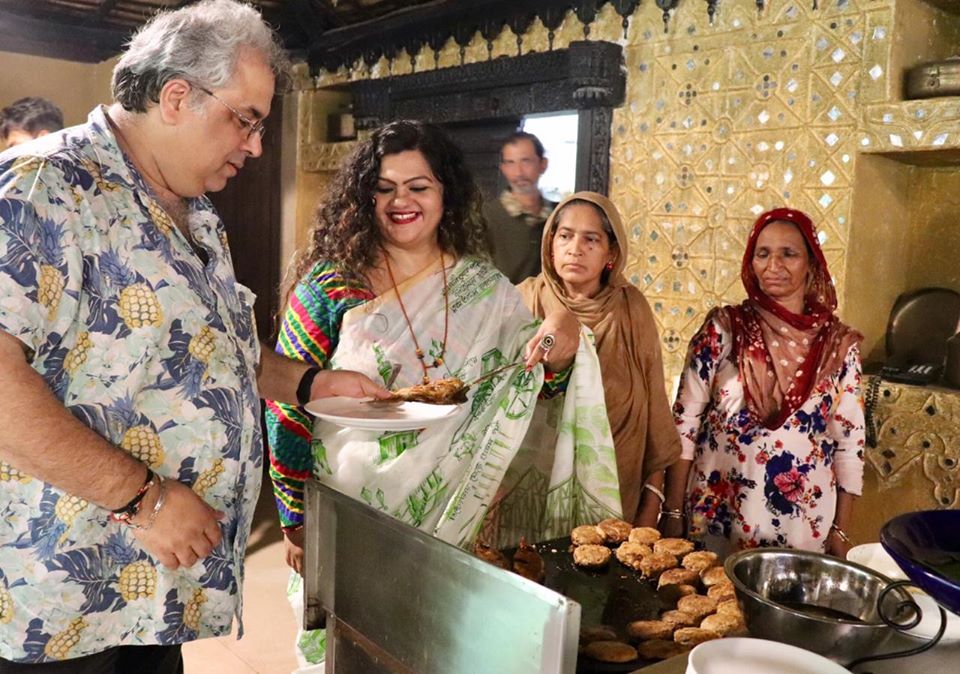
Hospitality operators increasingly partner with local mithai shops, chai cafés, and
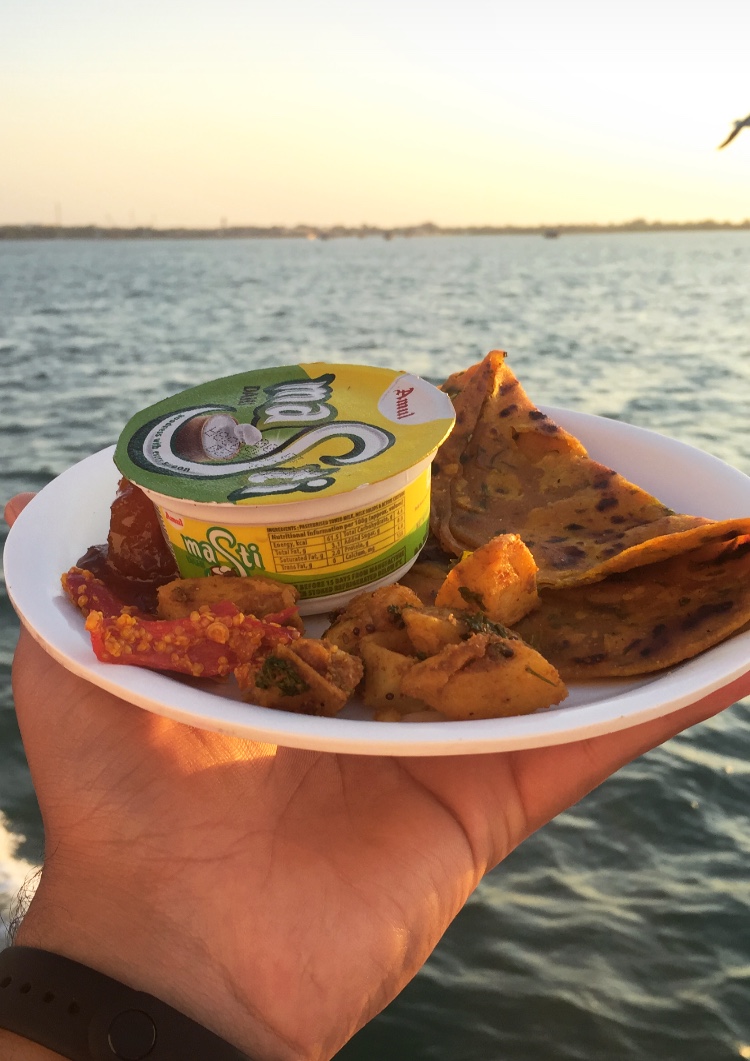
artisanal food makers. For instance, a hotel in Gujarat may offer traditional farsan
tasting evenings by collaborating with local snack entrepreneurs. This not only
diversifies the guest experience but also strengthens the local economy—a true win-win
model.
5. Heritage Dining as a USP
India’s culinary tourism is inseparable from its heritage. Hotels housed in old forts and
havelis now market themselves as destinations where guests can “dine like royalty.”
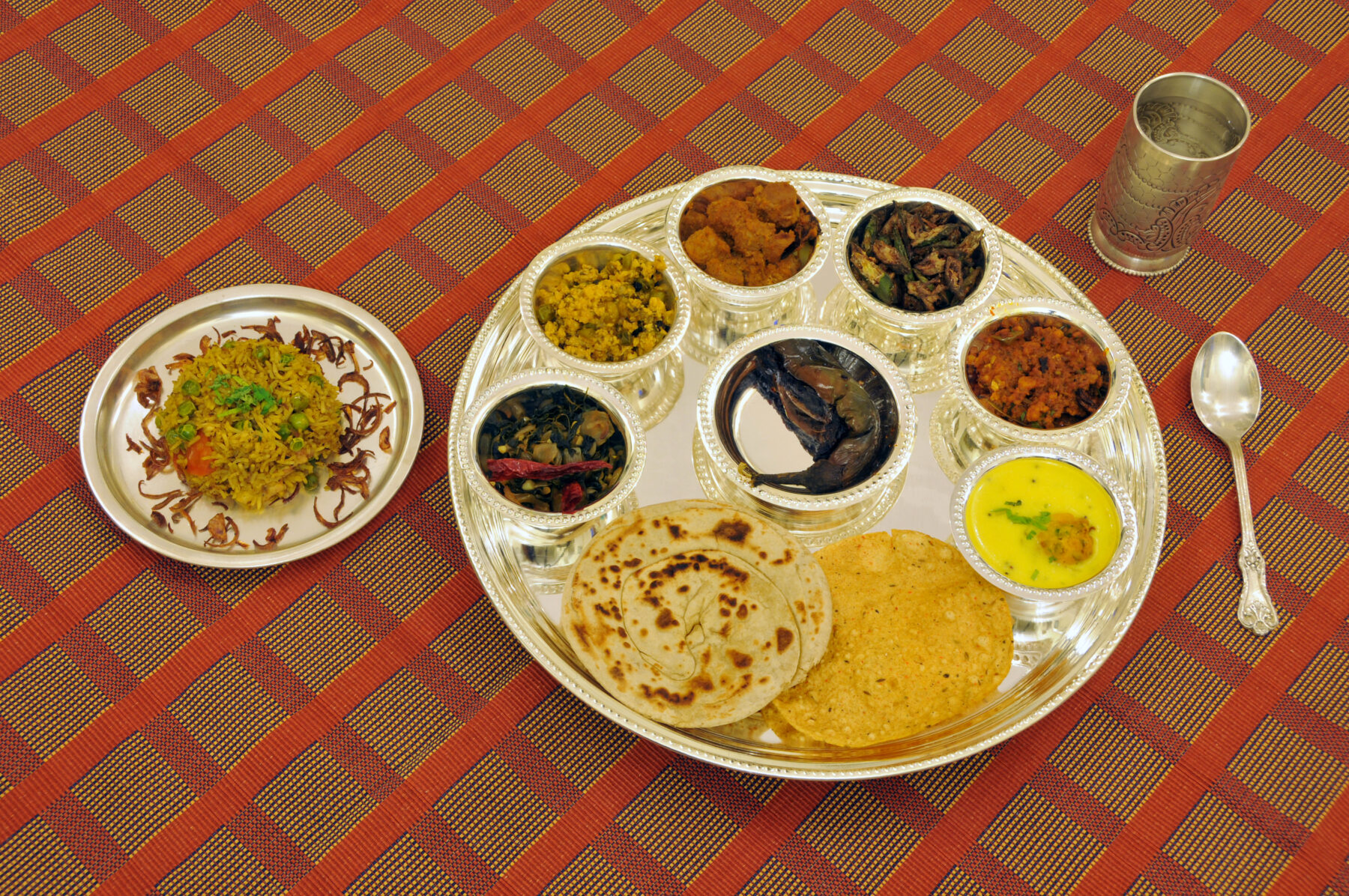
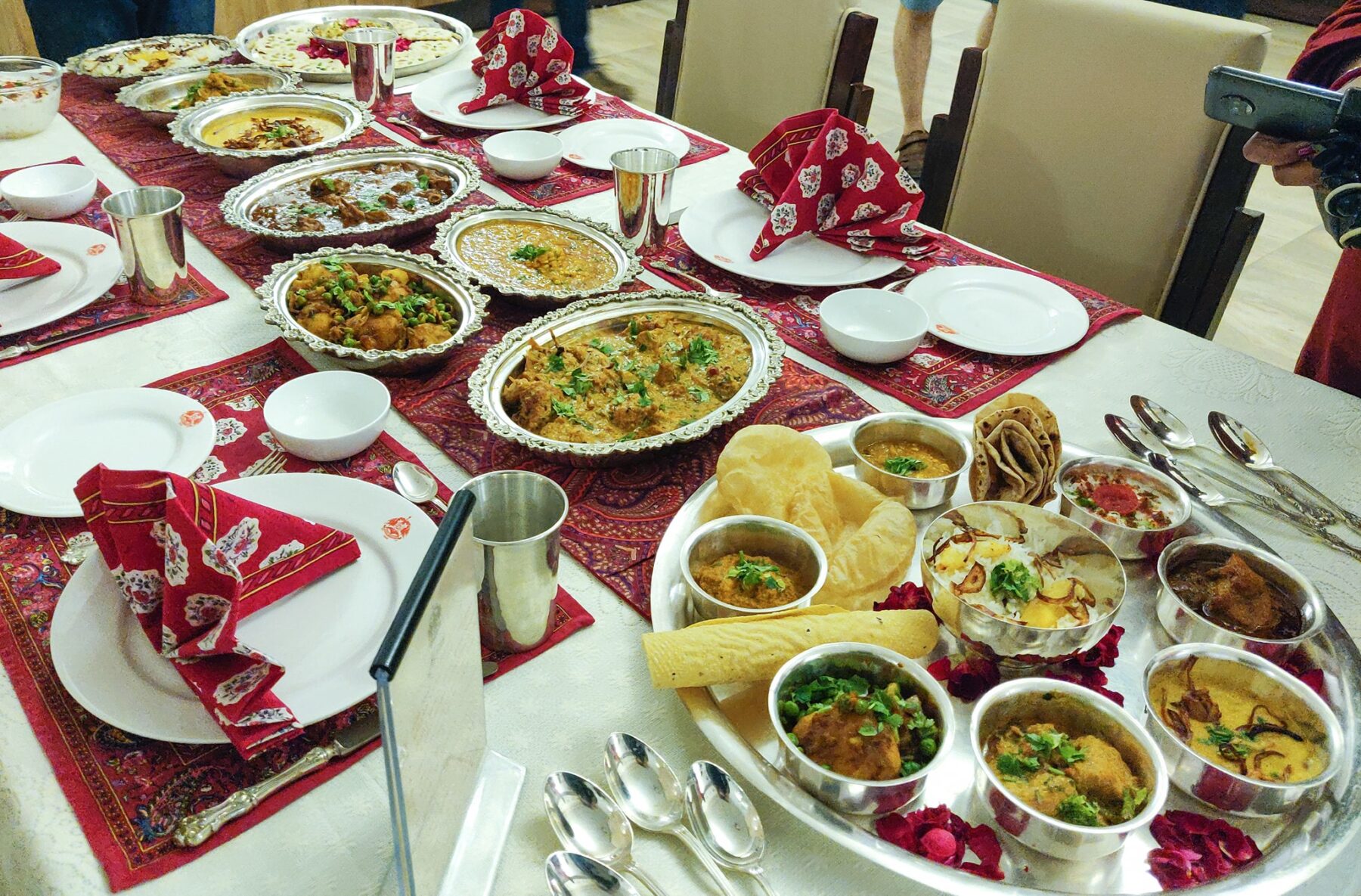
Some properties in Rajasthan organize elaborate thali dinners accompanied by folk
music, while in Tamil Nadu, Chettinad mansions host meals that reflect centuries of
tradition. This combination of heritage + hospitality + food is redefining luxury tourism
in India.
Culinary Tourism Destinations to Watch in India
Goa: Beyond its beaches, Goa’s culinary identity is a fusion of Portuguese and
Konkan flavors. From seafood shacks serving prawn curry and rawa-fried fish to
local feni distilleries and trendy fusion cafés, the state has become a haven for
food travelers. Increasingly, boutique hotels and luxury resorts are curating
seafood experiences paired with cultural elements like Goan music and dance.
Kerala: Known as “God’s Own Country,” Kerala offers more than just backwaters
and houseboats — its food culture is woven into every travel experience. Visitors
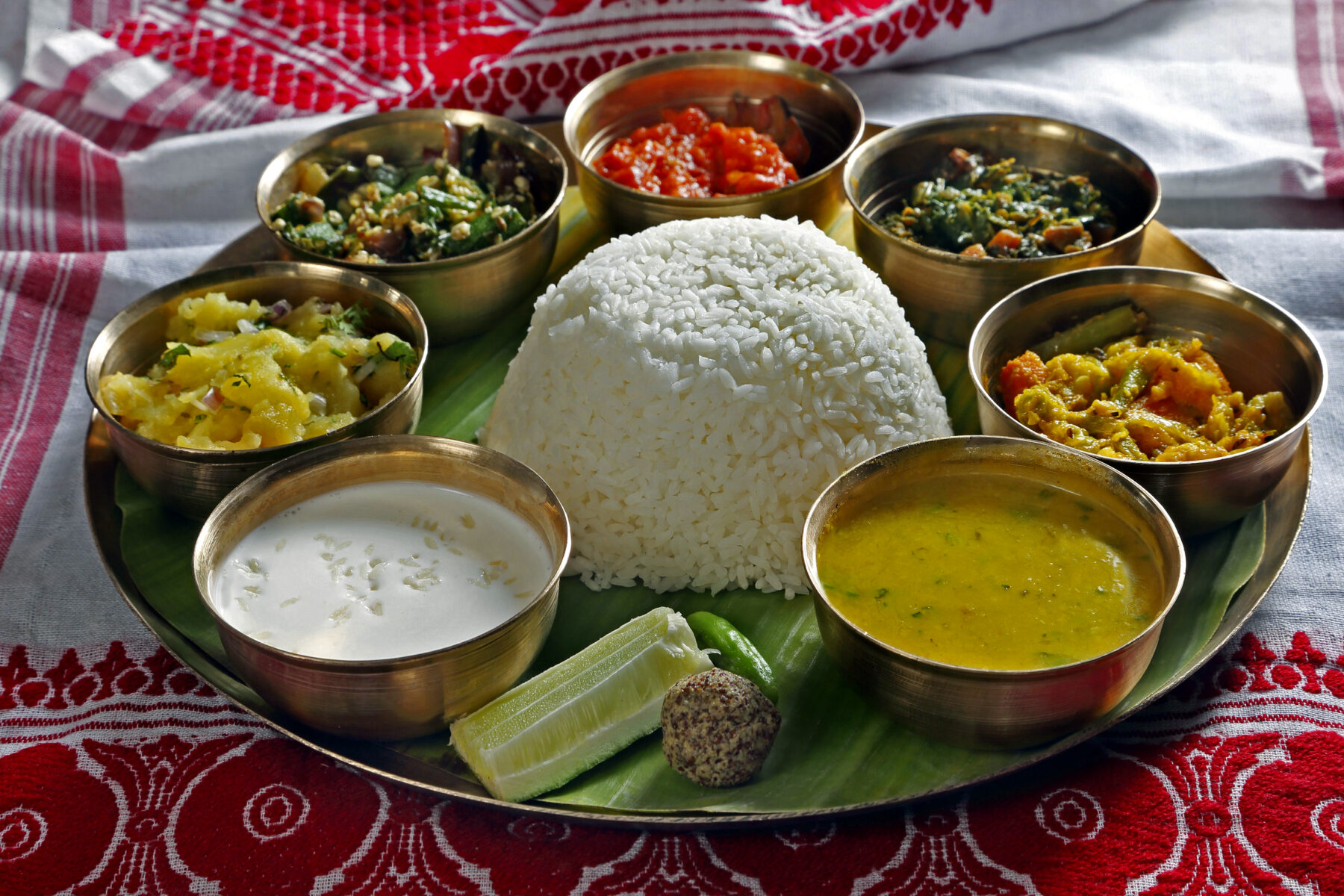
can enjoy toddy shop delicacies, traditional sadhya feasts served on banana
leaves, and Ayurvedic-inspired meals designed for wellness. Resorts here are
blending gastronomy with health, creating immersive culinary retreats.
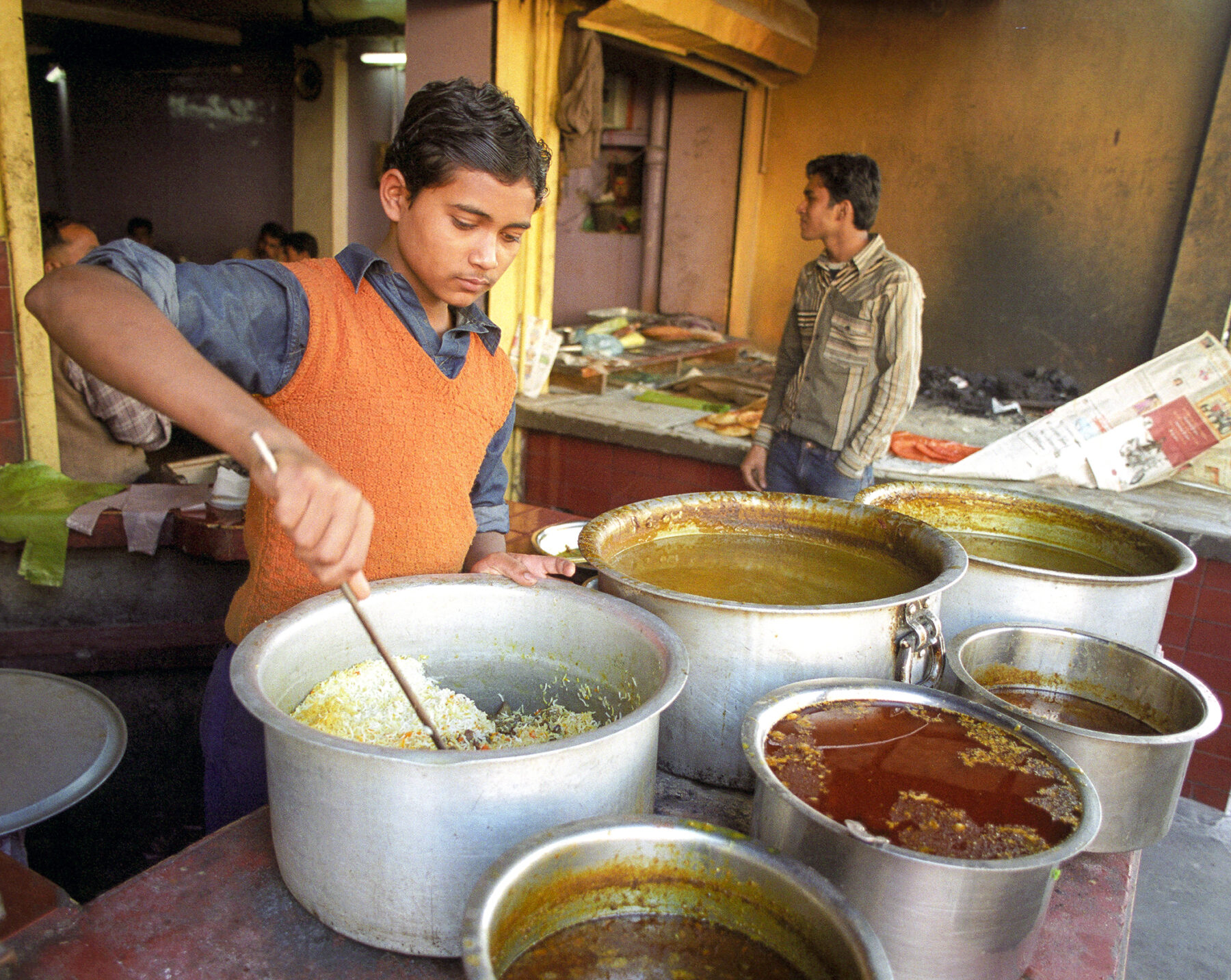
Lucknow: A city synonymous with royal indulgence, Lucknow’s culinary scene
keeps the legacy of the Nawabs alive. Legendary kebabs, dum biryanis, and
Awadhi sweets make it a must-visit for travelers seeking authentic North Indian
flavors. Heritage hotels are capitalizing on this by offering curated “food trails”
that guide guests through the city’s iconic eateries.
Rajasthan: Beyond its palaces and deserts, Rajasthan delights visitors with bold
flavors like Laal Maas and sweet indulgences like Ghewar. Heritage thalis served
in royal-style dining halls offer guests a regal dining experience. Many heritages
stays now integrate food with storytelling, where chefs share family recipes
passed down through generations.
North-East India: With its rich tribal traditions, the North-East is fast emerging as
a culinary hotspot. From Nagaland’s smoked meats and bamboo shoot curries to
Meghalaya’s jadoh (rice and pork dish), travelers are discovering flavors unseen
in mainstream Indian cuisine. Boutique properties are tapping into this trend by
promoting local ingredients and farm-to-table dining.
Together, these destinations are not just feeding travelers but reshaping Indian
hospitality. Hotels and resorts are evolving from offering “dining” to curating “culinary
journeys,” where food becomes a core memory of the stay.
Opportunities and Challenges
Opportunities
Brand Differentiation: Hotels and resorts can carve a unique identity by
showcasing regional cuisines or forgotten recipes. A signature dish or curated
dining journey can become as memorable as the property itself.
Sustainable Growth: By sourcing ingredients locally, properties not only reduce
logistics costs but also support regional farmers and artisans. This creates a
positive brand image and aligns with the growing trend of responsible tourism.
Extended Stays: When guests find culinary offerings engaging — whether
through cooking workshops, farm-to-table dining, or chef’s table experiences —
they are more likely to extend their stay, boosting occupancy and revenue.
Challenges
Consistency: Delivering the same level of quality and authenticity across
multiple outlets or overtime is demanding. A single inconsistent meal can impact
guest perception of the entire stay.
Dietary Adaptation: While travelers seek authentic flavors, they also expect
flexibility for vegetarian, vegan, or allergy-friendly adaptations. Striking this
balance without diluting the cultural essence is often a challenge.
Training Needs: Beyond culinary skills, staff must learn storytelling — the ability
to share the heritage, cultural significance, and personal anecdotes behind
dishes. Without this human connection, food risks being seen as just another
meal.
Overcoming these challenges requires vision, investment in training, and genuine
partnerships with local food communities.
The Future of Culinary Tourism in Indian Hospitality
As we move into 2025 and beyond, the line between hospitality and gastronomy will
continue to blur. Hotels will increasingly position themselves as “food destinations,”
using cuisine as their primary marketing hook. Technology, too, will play a role—think of
interactive digital menus explaining the history of a dish, or virtual cooking classes
offered by hotels to guests after their stay.
Call to Action
If you are part of the hospitality or food entrepreneurship space, ask yourself: Are you
giving your guests just a room, or an unforgettable story on a plate? Culinary tourism is
no longer optional; it’s a growth engine for Indian hospitality. By embracing authentic
flavors, local partnerships, and immersive experiences, you can turn every guest visit
into a lifelong memory.
Frequently Asked Questions
1. What exactly is culinary tourism?
Culinary tourism is travel centered around experiencing food culture, including dining,
cooking, and local culinary traditions.
2. Why is culinary tourism important in India?
Because of India’s immense food diversity, it adds a unique cultural dimension to
tourism.
3. How does culinary tourism benefit hotels?
It improves guest satisfaction, increases bookings, and strengthens brand
differentiation.
4. Can small homestays participate in culinary tourism?
Absolutely—home-cooked meals and small workshops can be powerful attractions.
5. What role does sustainability play?
Local sourcing reduces costs, supports farmers, and minimizes environmental impact.
6. Which Indian cities are best for culinary tourism?
Goa, Lucknow, Jaipur, Kochi, and Guwahati are among the top destinations.
7. Is culinary tourism only for luxury travelers?
Not at all—it appeals to backpackers, families, and luxury tourists alike.
8. How do hotels market their culinary experiences?
Through social media storytelling, food festivals, and curated packages.
9. What challenges do hotels face in culinary tourism?
Maintaining authenticity, handling dietary restrictions, and ensuring consistent quality.
10. What’s the future of culinary tourism in India?
Integration of food heritage, sustainability, and technology-driven dining experiences will
define the next decade.
Culinary tourism is not a passing trend—it’s a transformative force in Indian hospitality. It
empowers hotels to tell authentic stories, supports local entrepreneurs, and satisfies
travelers seeking deeper cultural connections. For India, a country where food is
identity, celebration, and memory, culinary tourism is proving to be the bridge between
hospitality and heritage.
ABOUT THE AUTHOR


Shalin Soni is a freelance travel and content writer, and the founder of Travel Layover
(www.travellayover.com) a platform dedicated to global layovers, airport experiences,
luxury hotels, and destination insights. With expertise in creating SEO-friendly, reader-
focused content, he specializes in travel, tourism, and hospitality writing that blends
research with engaging storytelling. His work highlights trends, experiences, and
practical insights that help readers explore destinations with ease and depth.