
Akshi Khandelwal, Founder & CEO, Butterfly Ayurveda & Cafe Swasthya
Over the last few years, I’ve noticed a distinct change in how people approach food. Eating out is no longer just about indulgence; it’s increasingly about restoration and balance. Customers want to know how what they eat impacts their digestion, sleep, mood, or immunity. They are far more conscious of the idea that food can be preventive and nurturing, not just pleasurable.
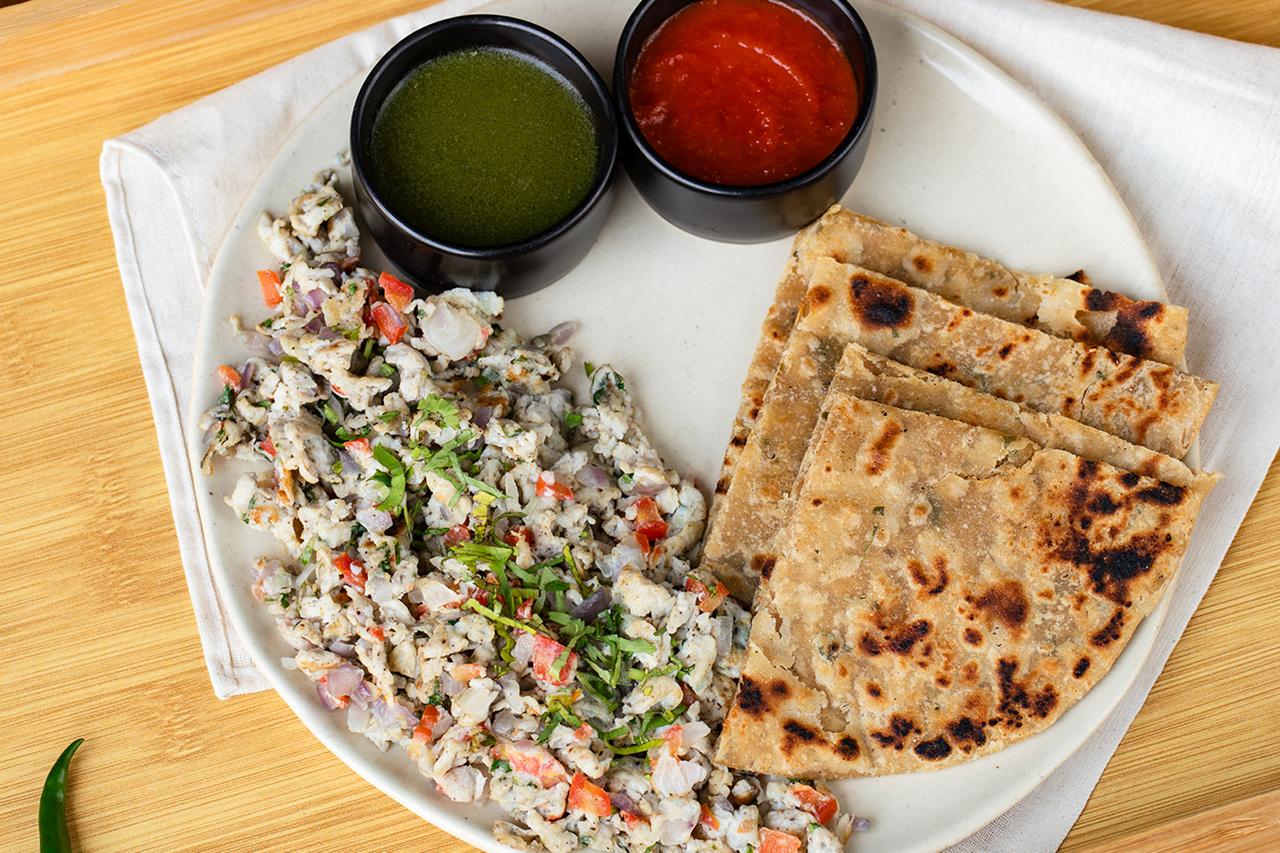
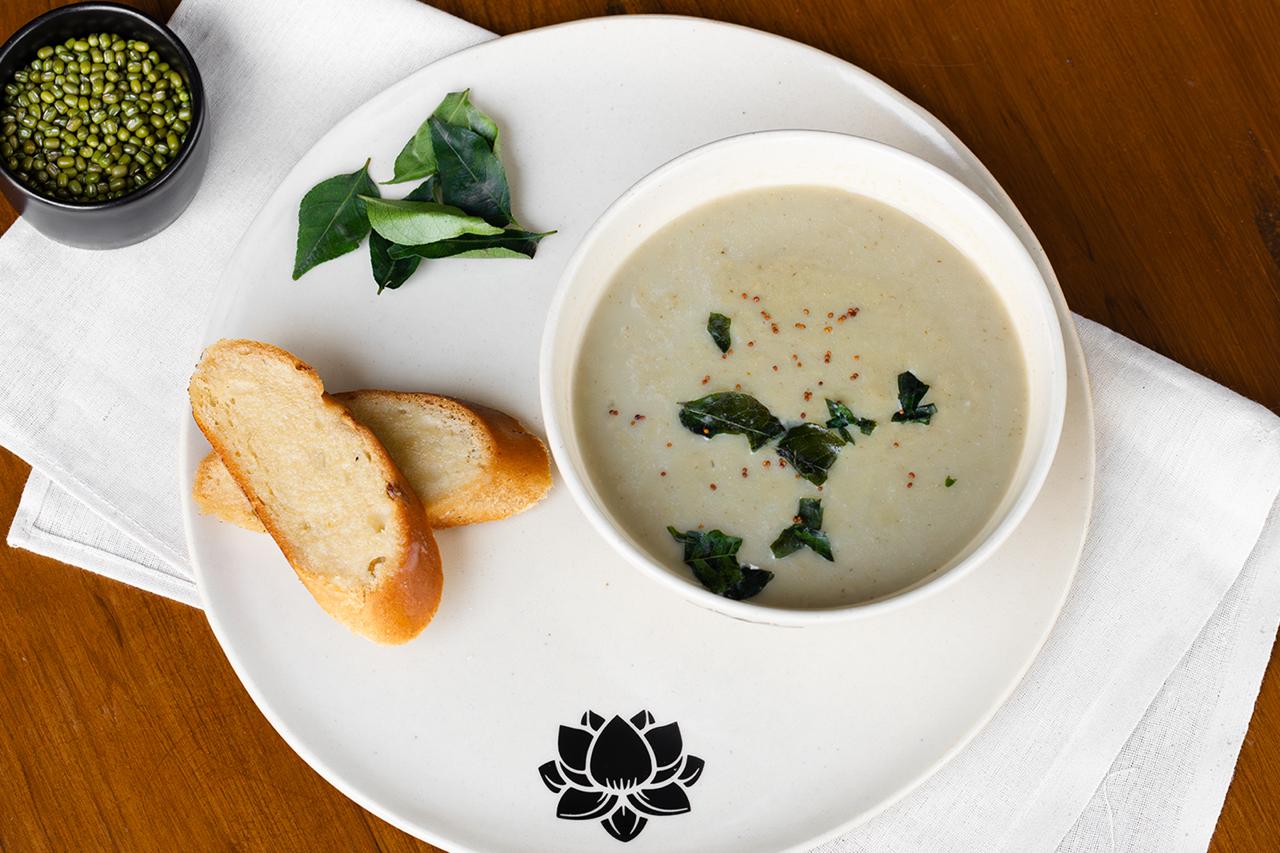
At Café Swasthya, we’ve built our entire menu around this shift. The aim is to help people experience Ayurvedic principles in a way that feels accessible and relevant to their everyday lives. We’ve listed the Ayurvedic Tridosha (Vata, Pitta & Kapha) balancing insights alongside each item on the menu. The Indian kitchen has always been rooted in Ayurvedic wisdom. What we do is bring a deeper level of detailing – subtler spice infusions, thoughtful tadkas, and flavour combinations that enhance digestion and overall wellbeing. Customers appreciate these nuances and engage with the information provided on the menu. It helps them make choices that genuinely support their health.
Alongside these traditional inspirations, we also offer modern café-style dishes created with digestive balance and nourishment in mind. We’ve introduced herbal lattes, teas that aid metabolism and energy, and bakery items made with natural fats and whole flours instead of refined ingredients. Even the way we describe dishes has changed- rather than listing nutrients, we highlight how each item supports the body.
This growing “food that heals” movement is shaping our product innovation at every level, from ingredient sourcing and recipe development to packaging and customer education.
The challenges
The opportunity for wellness cafés in India is huge, but it comes with its own operational and business complexities. One of the biggest challenges is sourcing – functional ingredients like herbs, millets, and specialised spices often come from small or seasonal producers, which makes standardisation and consistency difficult. Ensuring food safety, potency, and taste across batches requires significant backend work.
Training is another critical area. Our team needs to understand Ayurveda well enough to explain benefits in simple, relatable terms without making medical claims. This requires time, investment, and a mindset that respects both tradition and modern-day expectations.
Pricing also poses a challenge. Wellness cafés typically work with whole, natural, and unprocessed ingredients and more nuanced preparation processes, but customers still expect affordability. To make the business sustainable, the menu must carry a balance of accessible favourites with functional and authentic dishes, ensuring ingredients are cross-utilised without compromising the intention of each recipe.
Having said that, our culinary team is trained to use ingredients only where they naturally belong, and to ensure that combinations support digestion rather than disrupt it. If a customer requests an addition or modification, we always check whether it aligns with Ayurvedic principles and whether the pairing is advisable. When something doesn’t go well together, we explain why and offer alternatives instead.
Scaling, too, demands discipline. It’s easy to dilute authenticity when expanding quickly. We are very mindful of maintaining quality, integrity, and the essence of what we stand for, even as we grow. In India’s price-sensitive and competitive F&B environment, this balancing act – between authenticity, accessibility, and operational efficiency – is where most wellness cafés are truly tested.
How Ayurveda-based dining can balance tradition with modern F&B formats
Ayurveda has an incredible depth of knowledge, but for it to thrive in modern dining, it needs to be presented in a way that feels approachable. At Café Swasthya, we try to bridge that gap. The experience is contemporary – a warm café setting where people can relax over chai, coffee and desserts – yet everything on the menu is designed with clear Ayurvedic intent.
We don’t expect customers to know their dosha types or follow strict rules; instead, we gently weave those principles into the food. Simple cues and recommendations aligned with the seasons and everyday needs – like cooling, energising, or calming options – help people navigate the menu without feeling overwhelmed.
Presentation also plays a key role. Instead of altering the essence of Ayurvedic dishes, we reinterpret them in formats that today’s diners naturally gravitate toward: ragi brownies rather than refined flour ones, or herb-infused lattes instead of traditional decoctions. It’s about expressing authenticity through thoughtful design and flavour rather than rigid replication.
An equally important part of the Café Swasthya experience is education. We want people to understand why they are eating what they are eating. Our menu descriptions, ingredient notes, and staff guidance along with customer engagement activities such as taking the Prakriti quiz; all work together to make Ayurveda feel intuitive rather than intimidating. When customers see how certain foods support digestion, energy, or balance, they make more mindful choices – often without even realising they’re learning in the process.
That’s how Ayurveda-based dining can find its place in today’s F&B space: by honouring the philosophy of balance and wellbeing, while presenting it in a language and setting that feels natural, inviting, and meaningful for modern diners.
Akshi Khandelwal, Founder & CEO, Butterfly