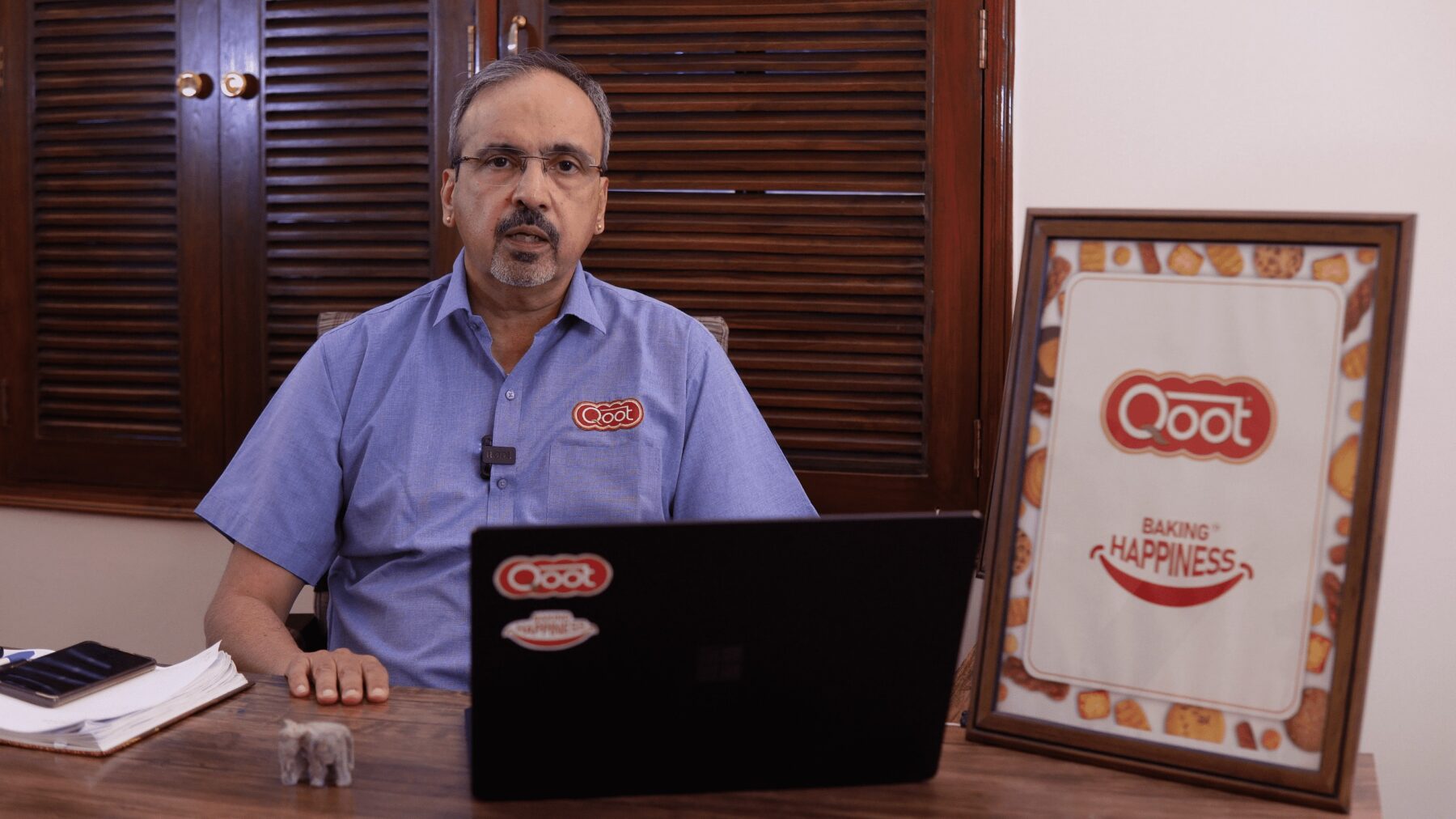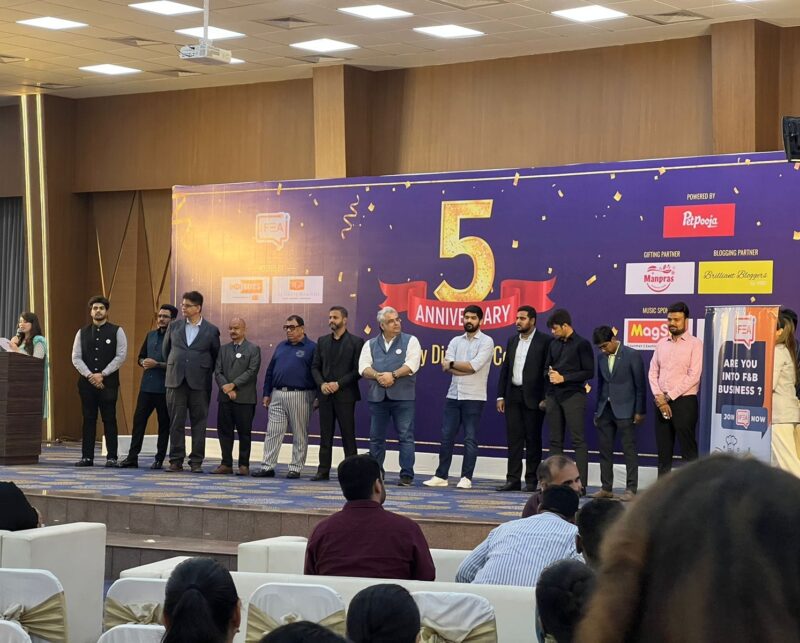

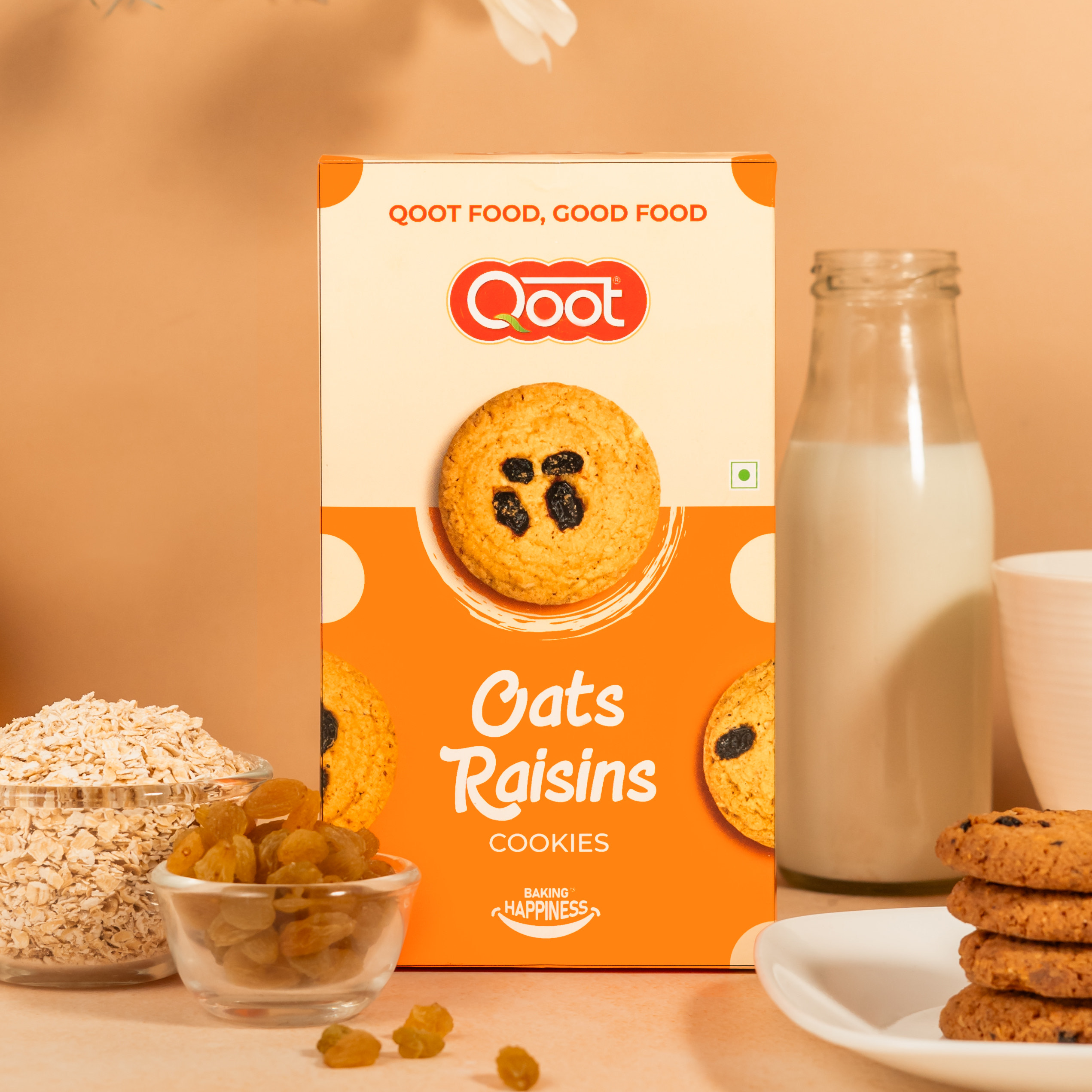
Ravi Somani, Director at Qoot Food.
The way the world eats is changing. Cookies, namkeen, munchies, and traditional snacks have always been a large part of India’s food culture and export identity. But the expectations around these foods are shifting. Ingredients are being questioned, manufacturing is being re-examined, and consumers across the world are demanding food that satisfies more than just taste. The future of cookies and traditional snacks is heading in one direction: cleaner, healthier and more responsible. Indian food manufacturers have begun adapting to this shift. They are moving beyond conventional recipes and looking at the nutritional profile, ingredient transparency and the role of food safety systems. This transition is not about replacing traditional flavours. It is about retaining the same cultural connection while upgrading the product for a more aware global audience.
The Demand for Healthier Snack Alternatives
A major change in snacking behaviour is the preference for healthier options. Consumers are more conscious of what they buy and what they feed their families. Sugar, salt, preservatives and processing techniques are under constant scrutiny. This shift is visible across supermarkets, online platforms and even quick commerce apps. Healthier snacking does not mean that taste is becoming less important. In fact, the biggest challenge for food manufacturers is offering healthier products without compromising on flavour. Traditional Indian snacks have a loyal global audience. Whether it is cookies, khakhras, roasted namkeen, rusks or bite-sized snacks, the demand is strong. The key difference today is the expectation that these products should offer some health advantage. Reduced sugar, better oils, improved ingredients and clean-label innovation are influencing purchase decisions.
Manufacturers are experimenting with alternative grains and natural sweeteners. Customers are becoming more open to high-fiber biscuits, millet-based snacks and sugar-free cookies. These options represent a shift from indulgence alone to indulgence with better health outcomes.
Traditional Snacks Are Going Global
Indian snacks are no longer limited to domestic markets. They are being adopted internationally, not just by South Asian communities but by a much wider global consumer base. Retailers, distributors and private-label brands are entering partnerships with Indian manufacturers because of their capability to scale, innovate and diversify product lines.
Cookies and traditional snacks have become export favourites for a simple reason: they offer variety. The recipes, shapes and flavours of Indian products give international buyers something new. But innovation is necessary for market acceptance. Countries have different regulations, consumer preferences and shelf-life requirements. Packaging, ingredients and certification standards must adapt to new markets.
This is what encourages Indian companies to reformulate products. Gluten-free cookies, low-oil snacks, roasted alternatives and vacuum-packed traditional foods are examples of how familiar products are being modified for global consumption. Manufacturing is no longer just about producing at volume. It is about adapting to expectations across different countries.
The Rise of Better Ingredients and Smart Processing
Manufacturers are rethinking the entire product pipeline. Instead of just changing flavours or packaging, they are focusing on the base ingredients. There is greater emphasis on using millets, whole grains, seeds and plant proteins. Low-sodium and low-oil recipes are gaining attention. Natural sweeteners like monk fruit, jaggery and date-based sugars are becoming more common in cookies and baked snacks.
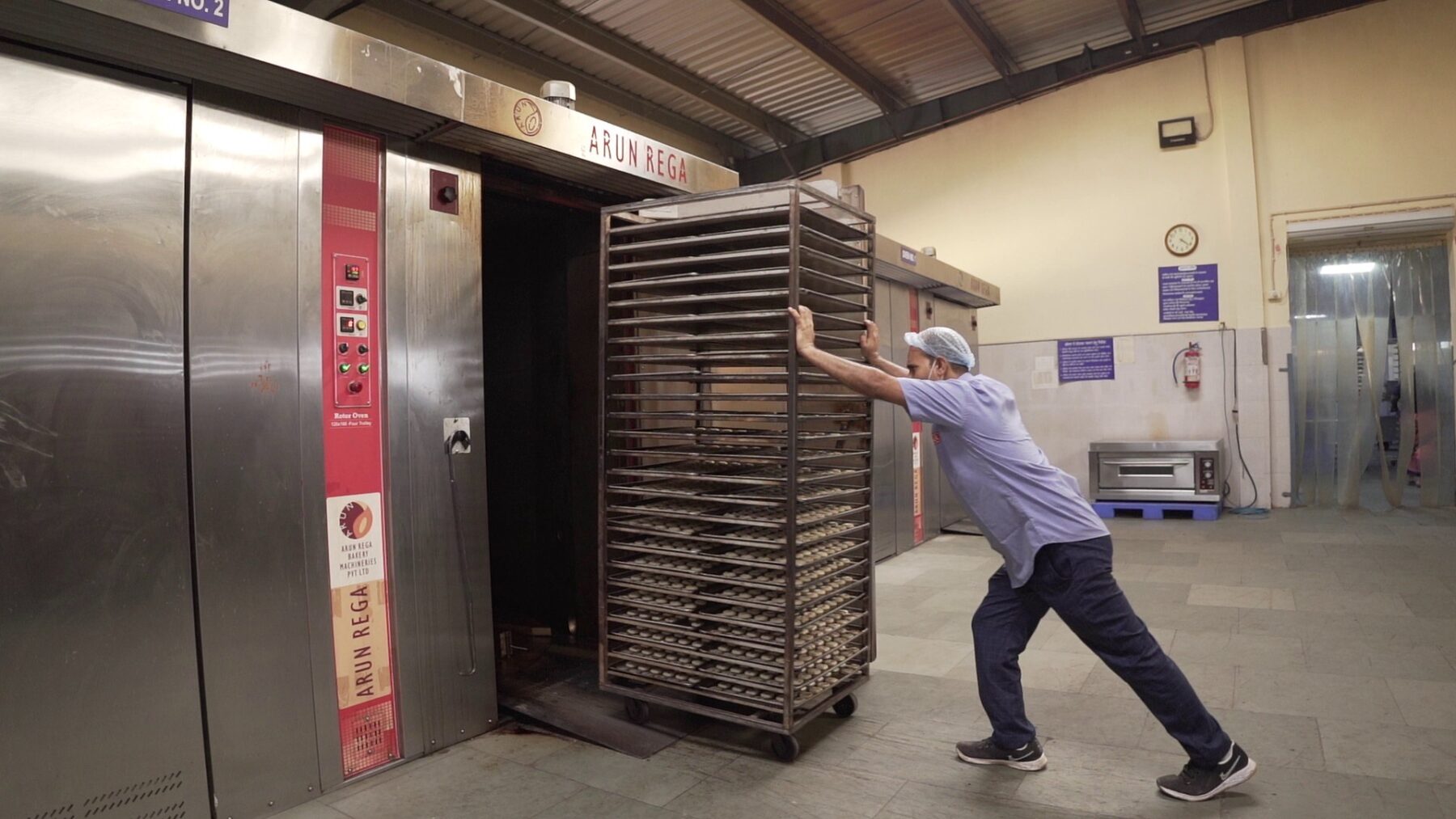
At the same time, processing technologies are improving. Instead of deep frying, roasting or pressure baking is being used for lower oil content. Manufacturers are experimenting with different forms of dehydration and storage. These innovations help maintain flavour while improving the health profile. There is also better focus on portion control. Smaller packages, single-serve snacks and bite-sized cookies align with global snacking habits. This shows that the future is not just about healthier ingredients but also smarter consumption.
Food Safety and Compliance Are Supporting This Growth
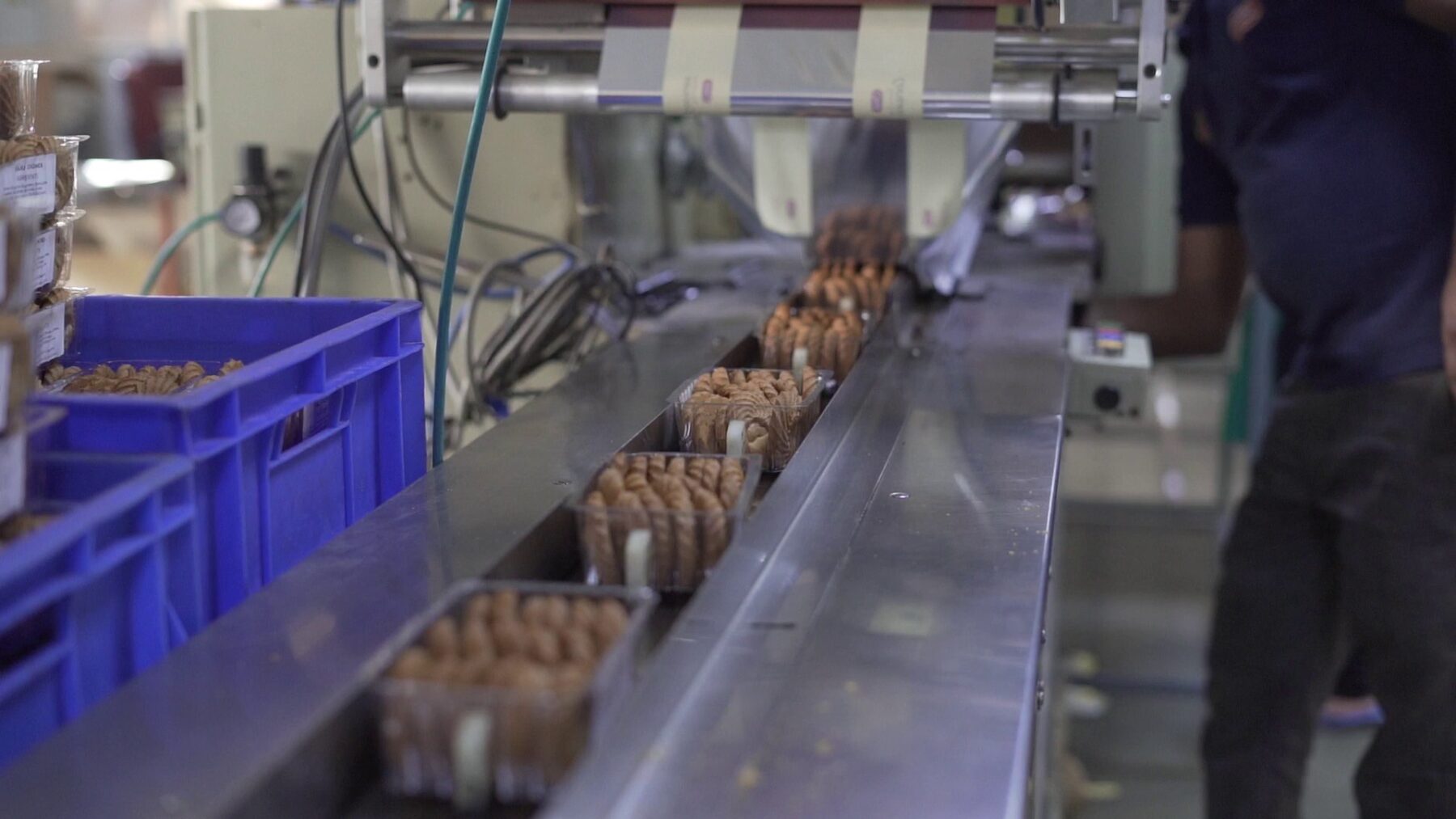
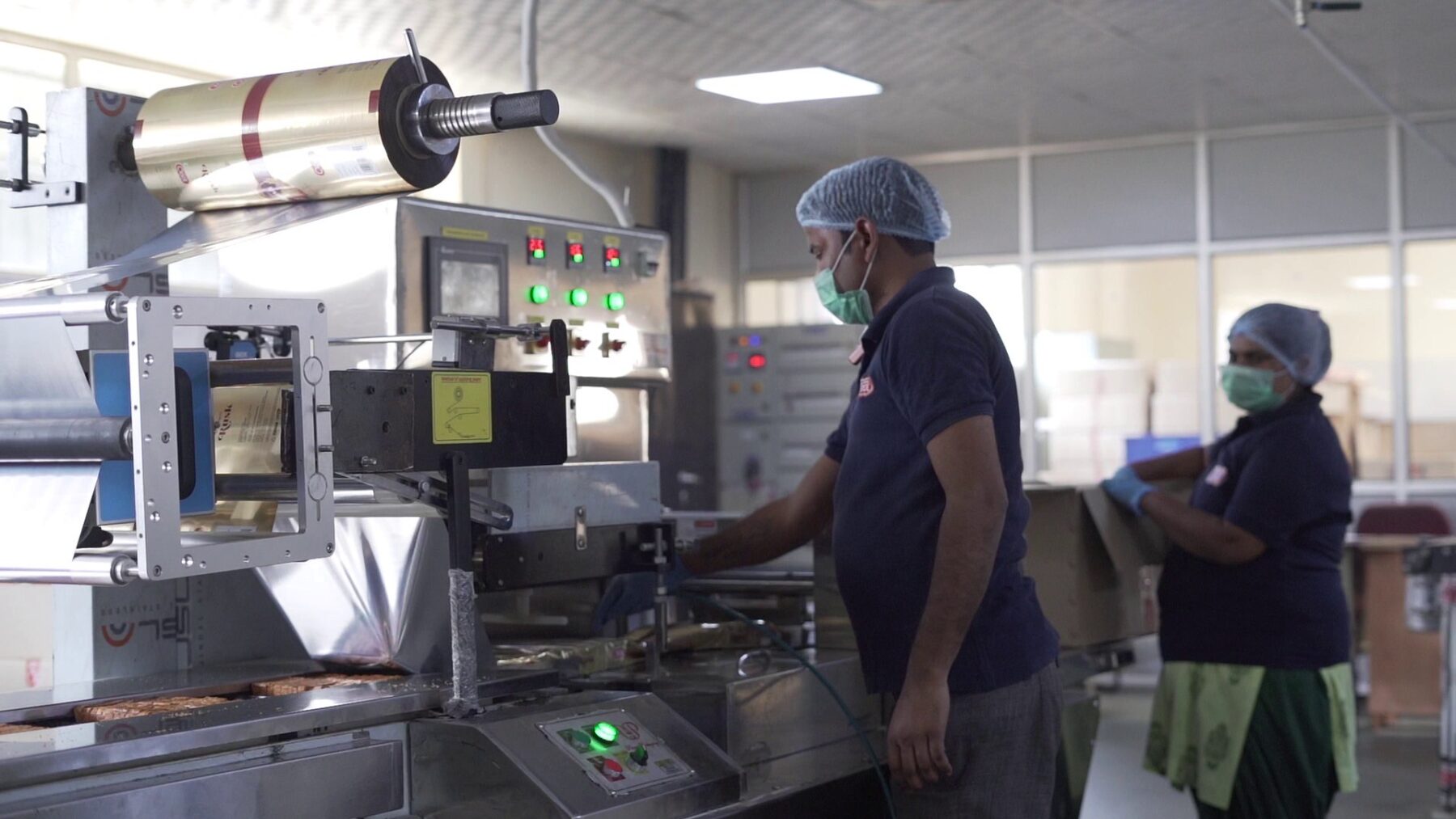
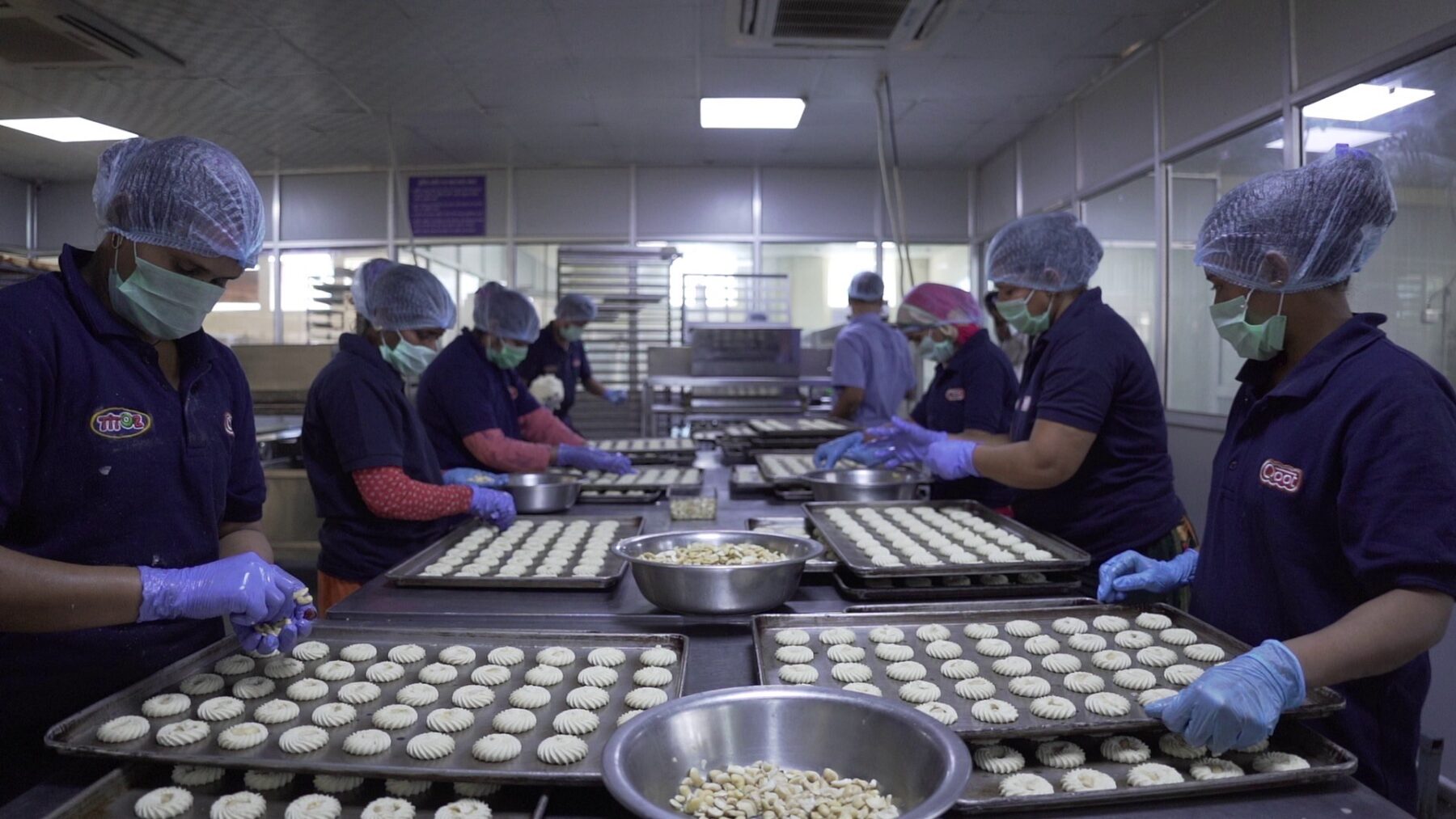
One of the strongest forces behind innovation is the focus on food safety and regulatory standards. The world expects food manufacturers to meet strict certifications and international compliance systems. This pushes companies to upgrade production lines, improve quality checks and adopt safer raw material sourcing.
Robust safety systems also encourage experimentation. When hygiene, sourcing and traceability are taken seriously, it becomes easier to introduce new products. It creates trust between manufacturers, distributors and consumers. As India continues to grow in the export market, global food safety standards are becoming foundational requirements.
The Influence of Clean Label and Transparent Packaging
Consumers everywhere want to know what they are buying. Packaging has become a platform for transparency. Labels mention ingredient lists clearly, nutritional values are highlighted, and clean-label positioning is increasing. There is less acceptance for preservatives and unclear additives. This has changed how cookies and snacks are formulated.
Clean label is not just a trend anymore. It is becoming a fundamental decision factor for many households. Products that avoid artificial flavouring and colouring find greater acceptance. Manufacturers communicate these advantages openly because the global market values clarity.
The Impact of Lifestyle Changes
Food habits are shaped by the environment we live in. Urban lifestyles, rising health awareness and dietary restrictions have played an important role in shaping the future of snacking. People are moving away from heavily processed food. They are looking for quick, portable and safe options that align with their lifestyle.
Snacks are becoming part of daily eating routines. Protein cookies, roasted mixes and healthy bars are competing with traditional recipes. The idea is not to replace one with another, but to bring together taste, heritage and nutrition.
The Shift Towards Functional Food
One of the big developments in the snack industry is the rise of functional ingredients. These products are expected to offer specific benefits. For example, snacks are being enriched with added protein, fiber or essential nutrients. Some manufacturers are even creating snacks designed for specific dietary patterns. This shift blends food culture with nutrition science. It allows manufacturers to appeal to multiple consumer segments. International markets especially value foods that solve a health concern or provide additional benefits. Functional cookies and snacks are still a growing category. But the pace of innovation and launch speed is increasing every year.
What the Future Looks Like
The direction is clear. The future of cookies and traditional snacks is healthier, more transparent and more globally adaptable. Manufacturers are focusing on product safety, nutrition, packaging and flavour innovation. They are moving away from outdated methods and adopting techniques that retain taste while improving health value.
The next decade of Indian food manufacturing will be driven by three major trends. The first is clean-label production, where ingredients are chosen thoughtfully. The second is consumer-led innovation, where snacks reflect actual lifestyle needs. And the third is international expansion, where Indian foods become regular products in supermarkets worldwide.
As the global market continues to expand, cookies and traditional snacks are evolving with it. Indian manufacturers are playing a central role in this shift. They are not just preserving recipes and flavours. They are re-imagining them for a new kind of consumer—one who wants taste, trust and nutrition in the same bite.