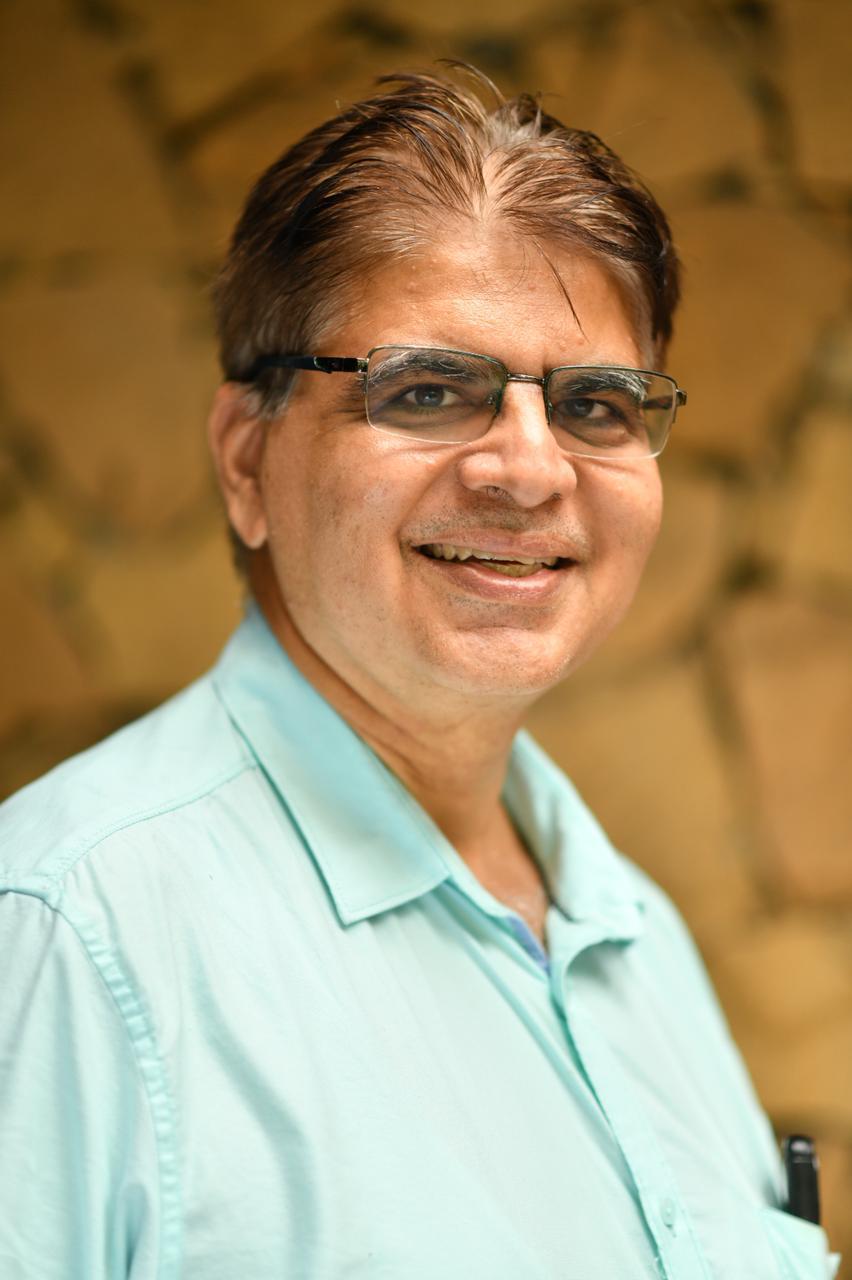

Aviral Gupta, CEO, Zostel
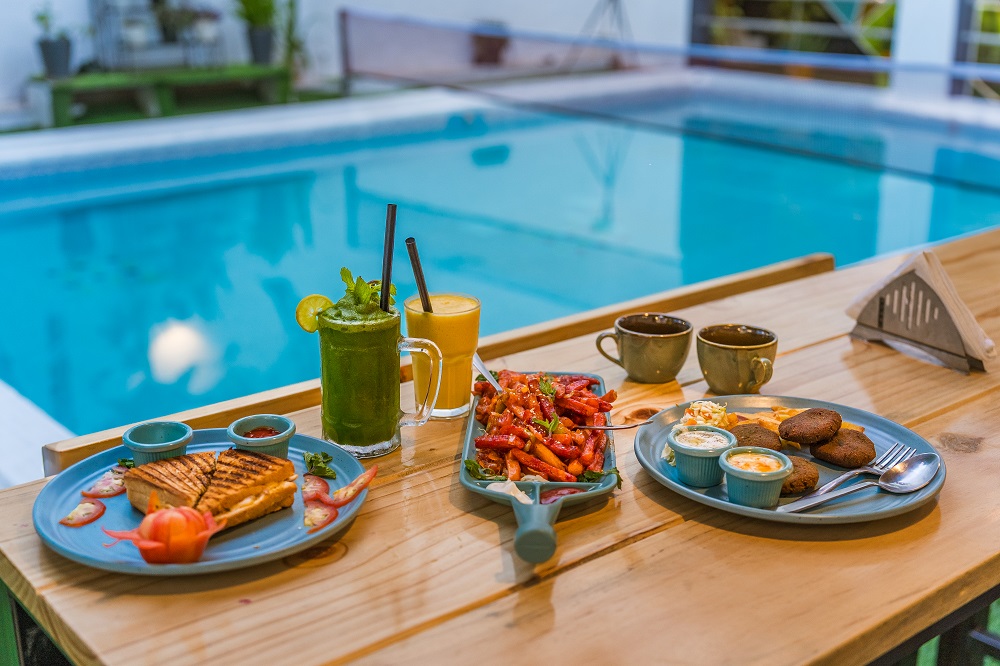
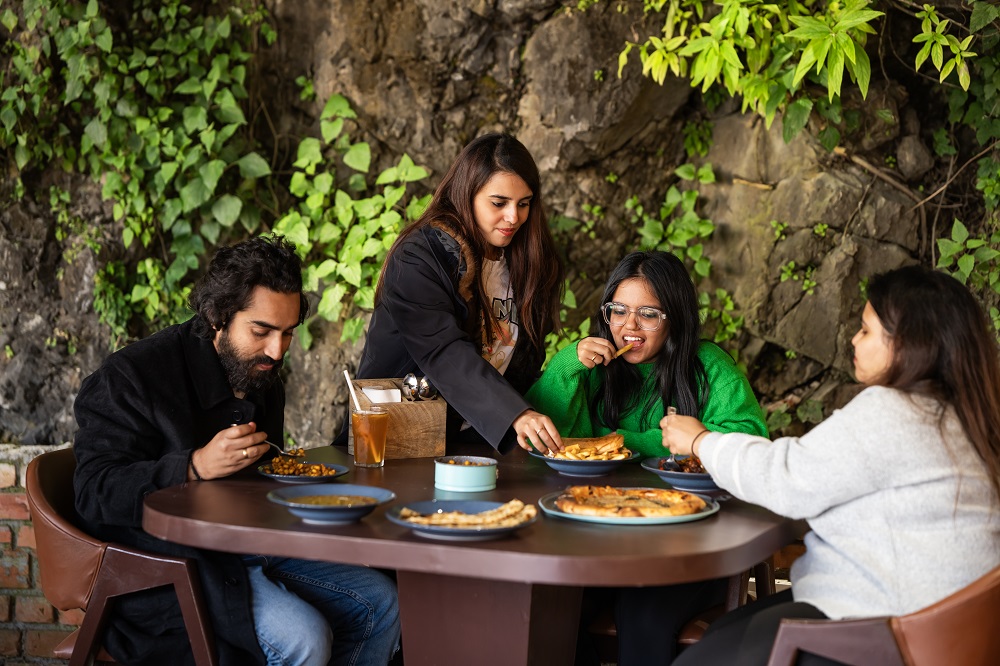
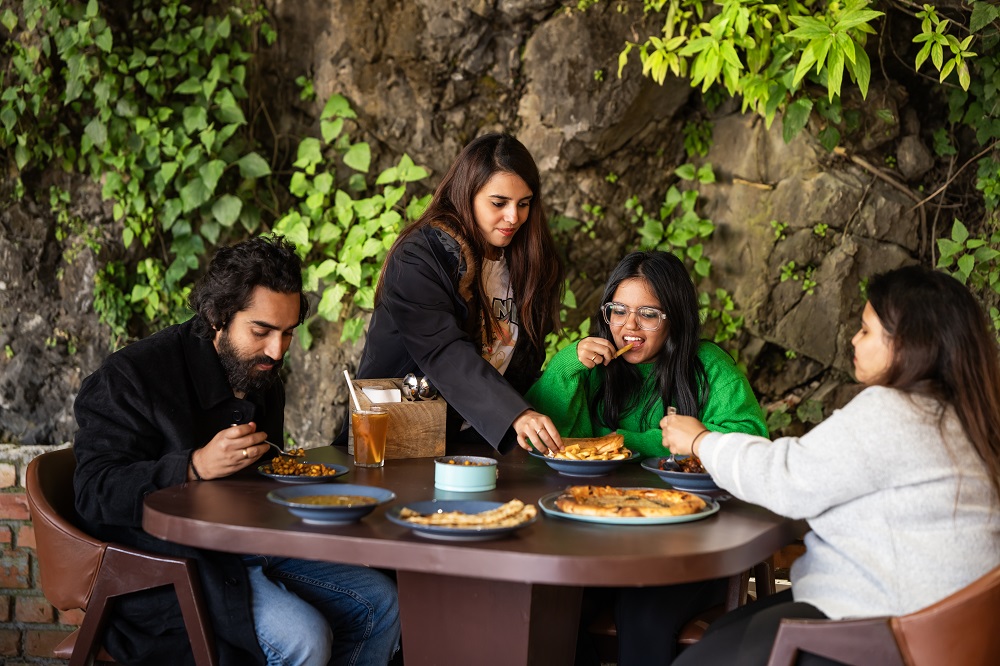
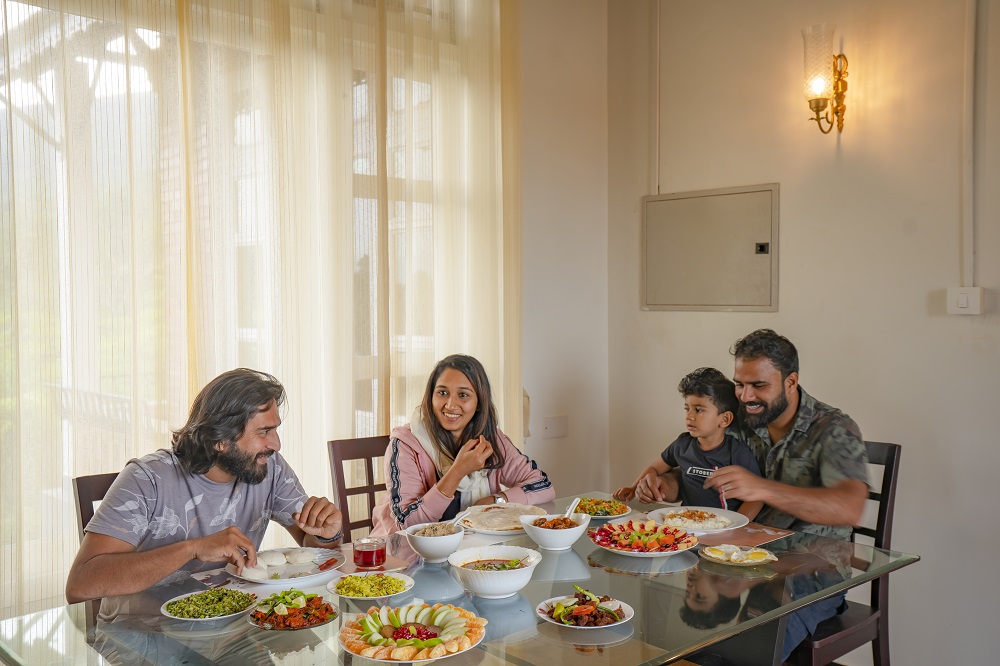
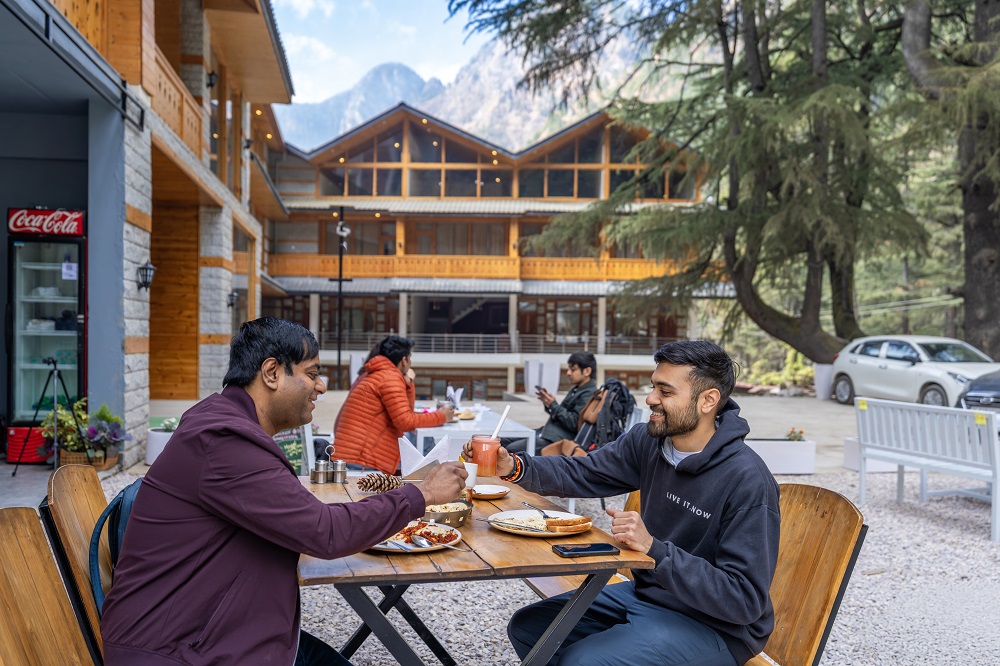
Typically, backpacking staples focus on lightweight, versatile, and high-calorie items to ensure safety and comfort. When staying in hostels, backpackers have café-style foods and beverages, including those small bites that can be had on the go. At the same time, travellers want to experience the local culinary scene and try regional foods.
Zostel, India’s pioneering hostel chain for backpackers, has cracked the code by offering a mix of regional, café-led and on-the-go foods at the various hostels.
When backpacking across Europe, including Switzerland, France, Belgium, and the Netherlands, the founders of Zostel were exposed to the concept of backpacking hostels. In Amsterdam, they realised that when you travel solo, interact with people, you learn about the life and thoughts of people from different cities, communities and professionals, walls get broken down, and you can get an insight into different lives. You get to know about yourself more than even about others.
Back in India, backpacking did not exist except for western tourists visiting the country. We felt strongly that youth should use these years for self-discovery. Travel should not be limited because of lack of resources. We wanted to change the way India thinking. Teach Indians to travel and backpack. What was common between all the founders was that they all simply were passionate travellers. We realized that travellers in India had to choose from cheap guesthouses and high-end hotels, with very little in-between. Safe, clean, hygienic options like quality hostels were almost absent. The social connect when travelling was non-existent.
In August 2013, Zostel opened its doors in Jodhpur with a small property on top of a hotel building. It got high ratings on most of the review channels and comparison shopping websites. From this modest beginning, we spread our wings to start Zostels at Jaipur, Udaipur, Varanasi, Agra, and Goa, and by 2014,we had entered Delhi-NCR too. As we believed in our model, we decided to enter business-plan competitions, which offered opportunities to test and fine-tune ideas, meet potential investors, and win money for funding the projects. We won all of the competitions and made some money which was used to grow the business.
We realized that when you travel, a local friend or acquaintance can elevate your experience, show you the best places, tell you where have the best food, tell you to his favourite addas and hangouts. Thus, we launched an entrepreneurship program where we offered budding hostel entrepreneurs all the information and SOPs they needed to open a fantastic backpacking hostel in their city. We got Zostel franchises to open our hostels in Rishikesh, Goa, Ooty, Mysore, Gokarna, Jaisalmer, etc.
The shift happened, people looked at Zostel and the hostel community began to form around our brand. Channels like Netflix offer a massive, personalized library of high-quality, exclusive, and original content, which are like a go-to for watchers to find the best movies, shows or original content at their convenience. Similarly, Zostel became the go-to brand to find a destination.
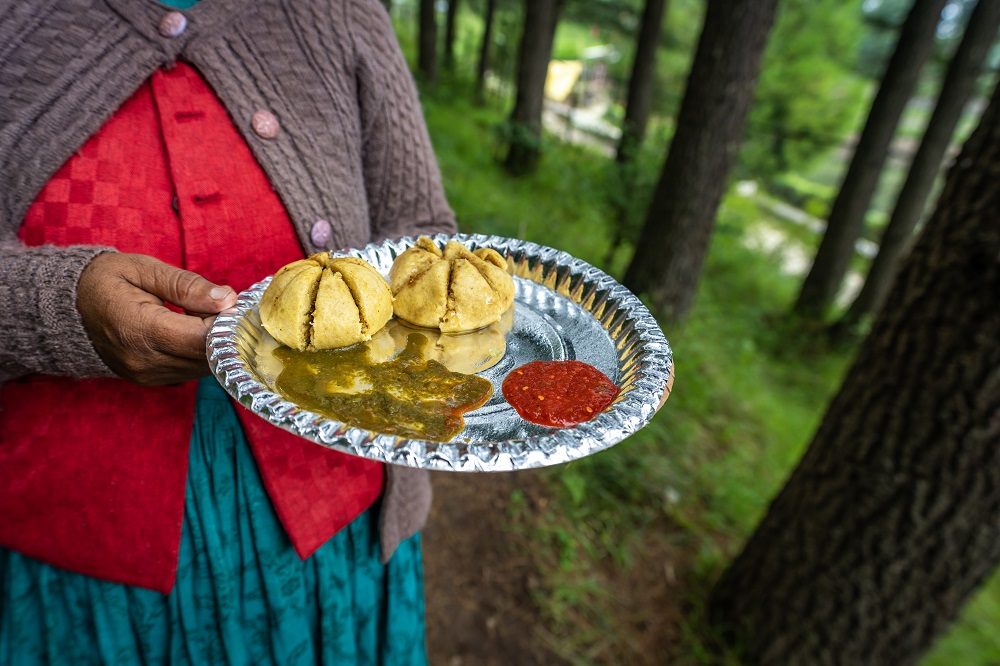
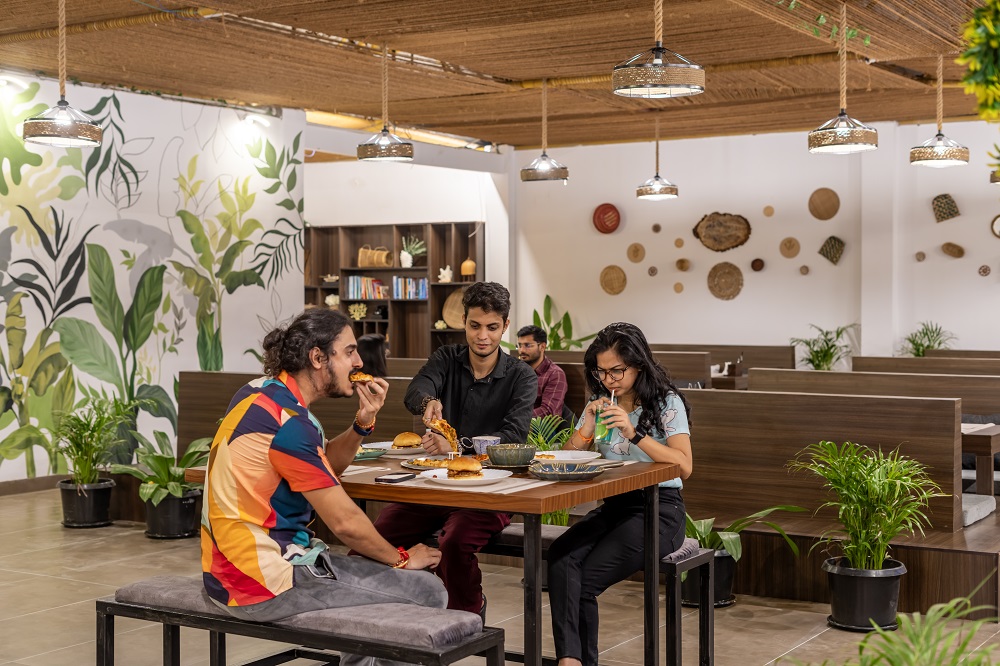
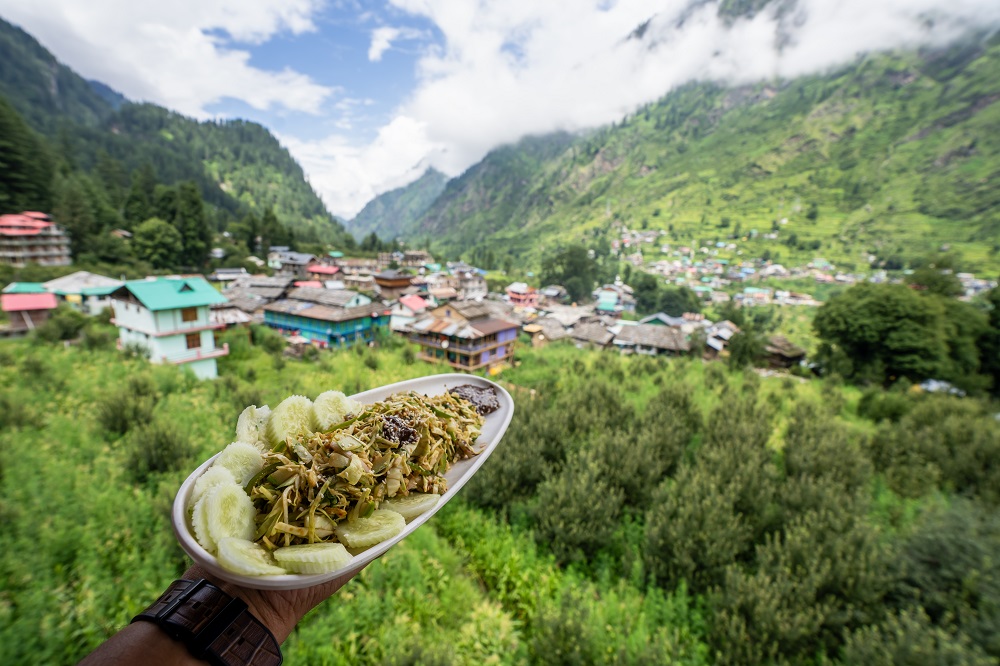
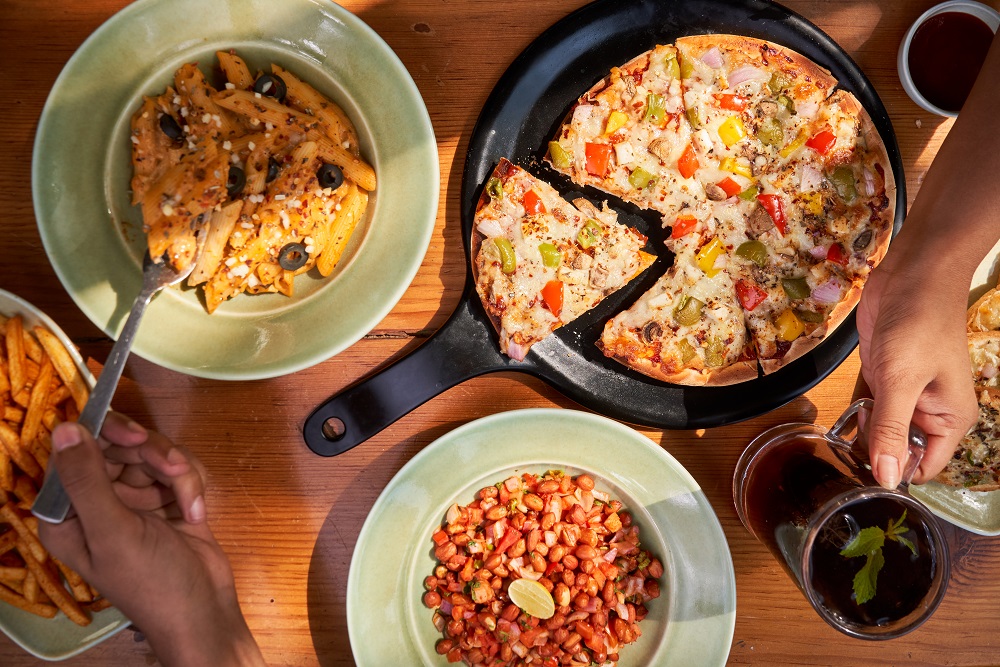
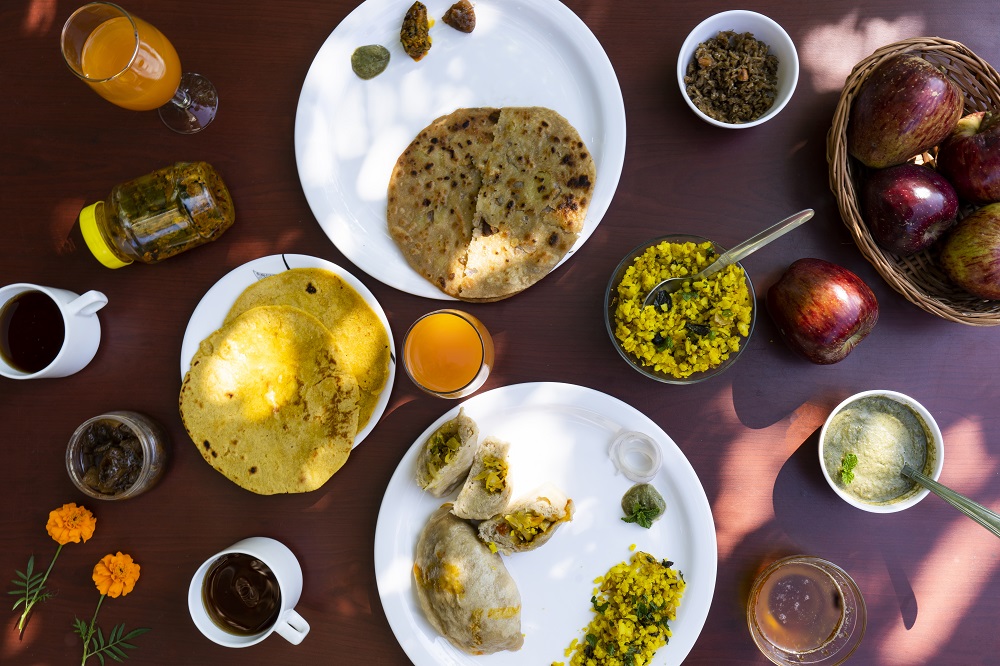
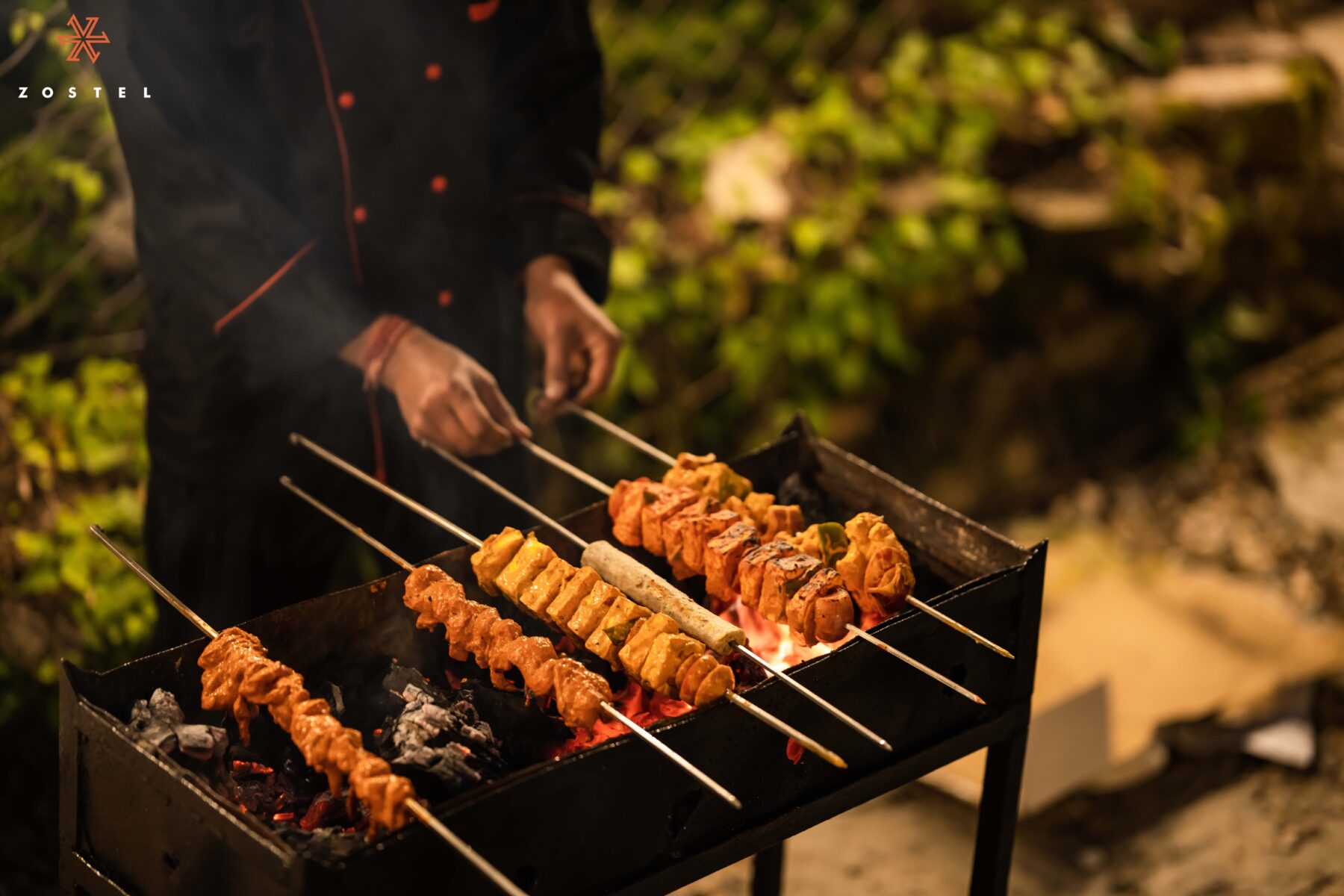
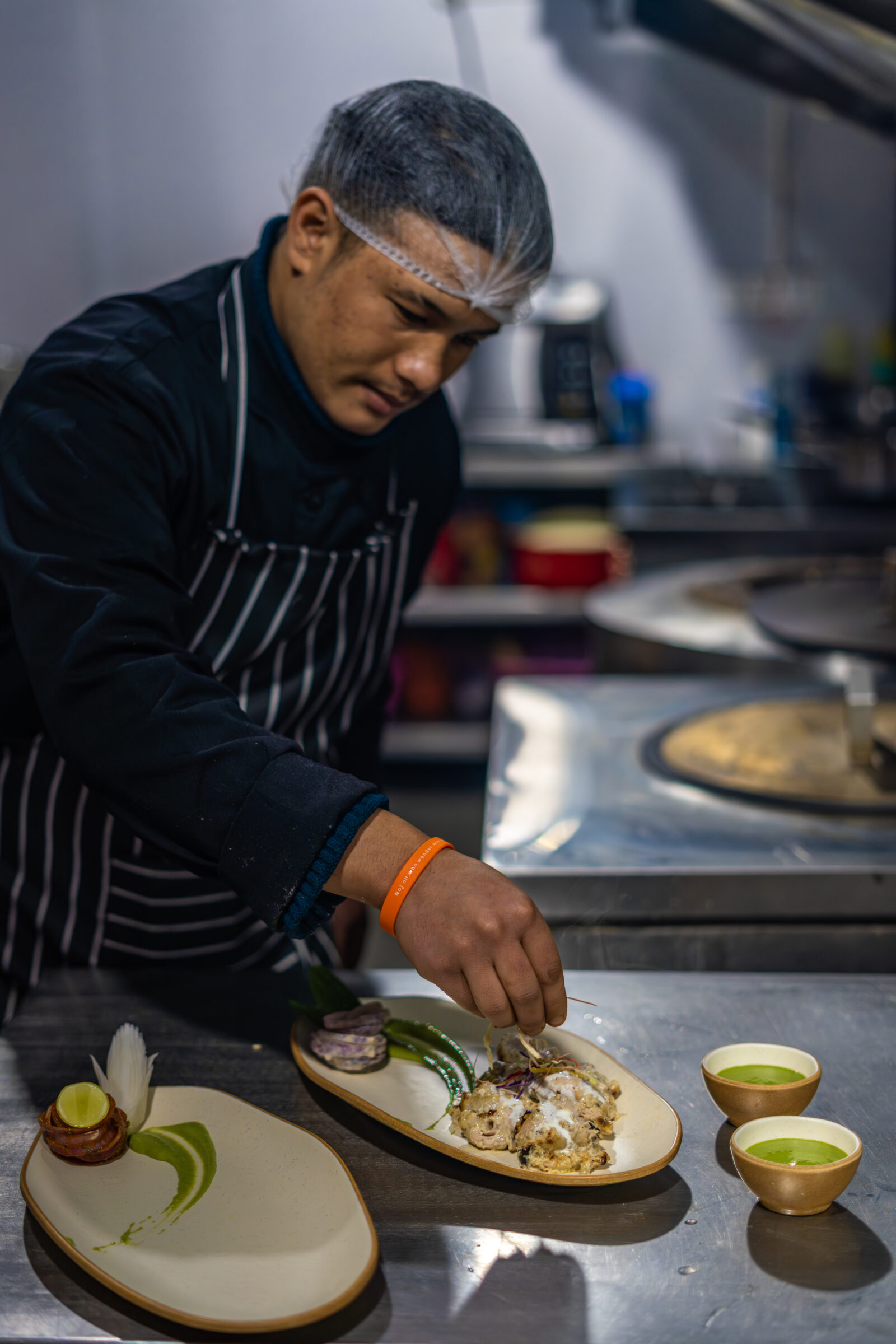
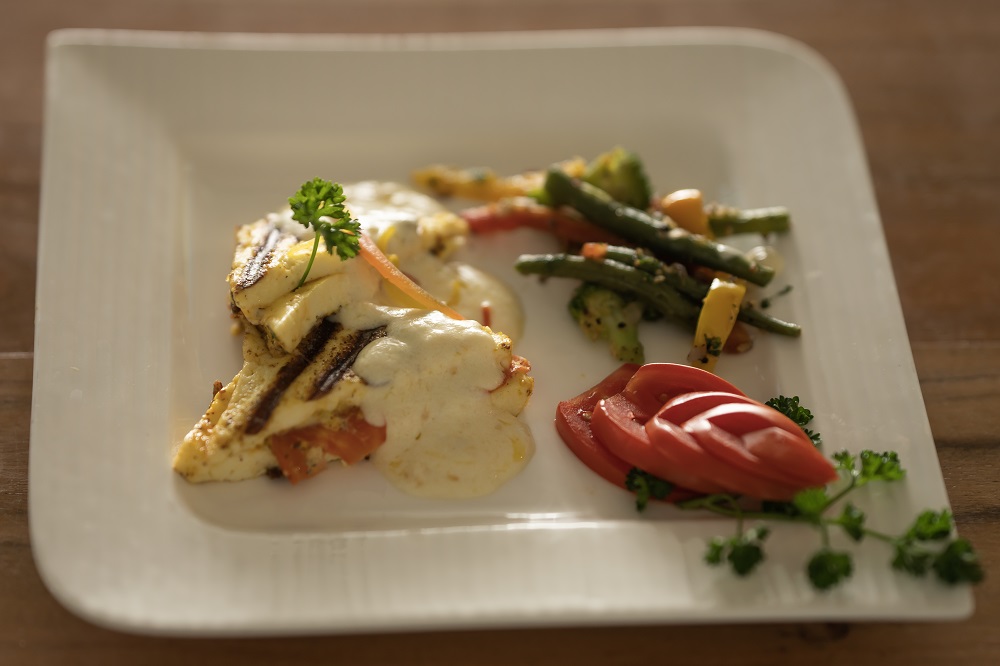
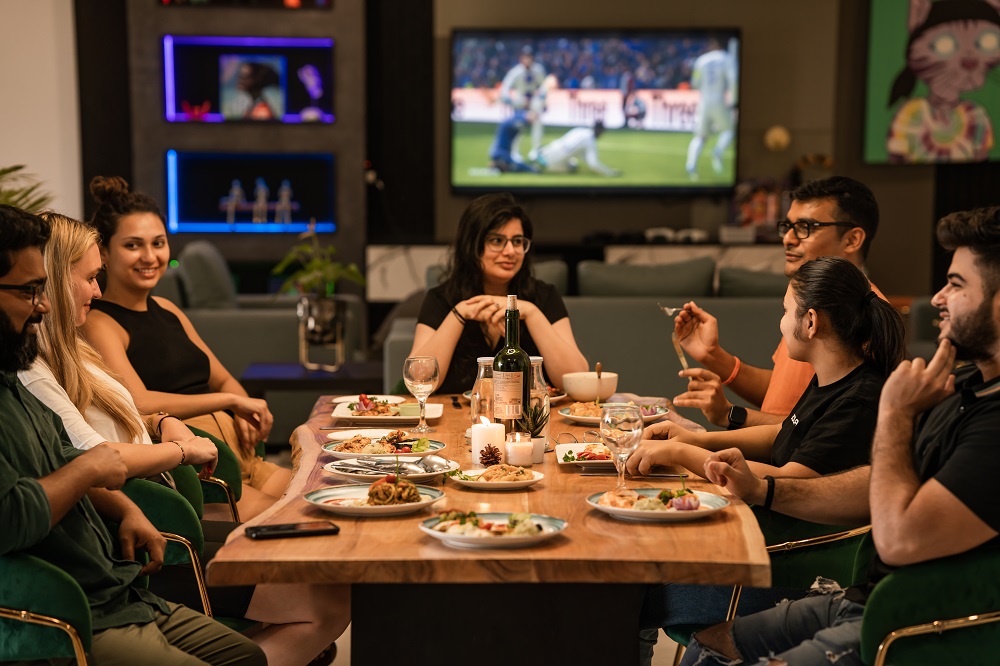
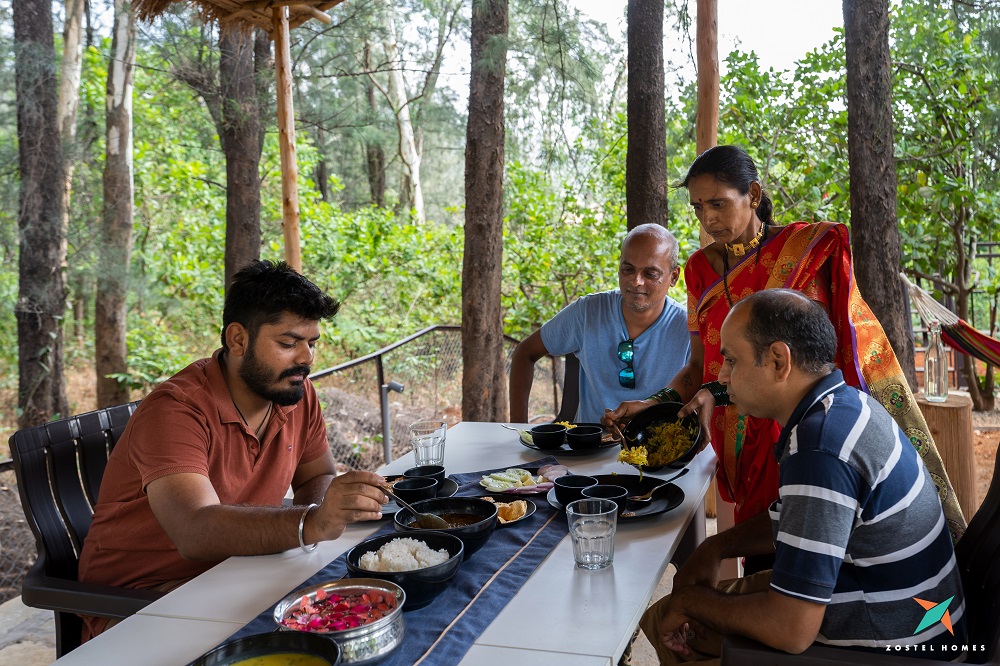
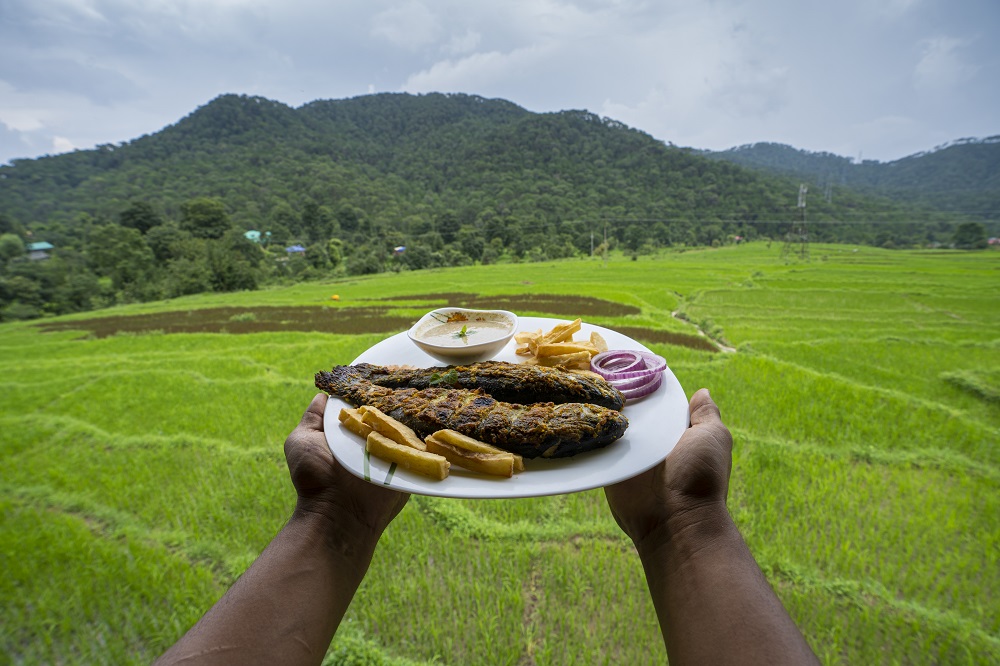
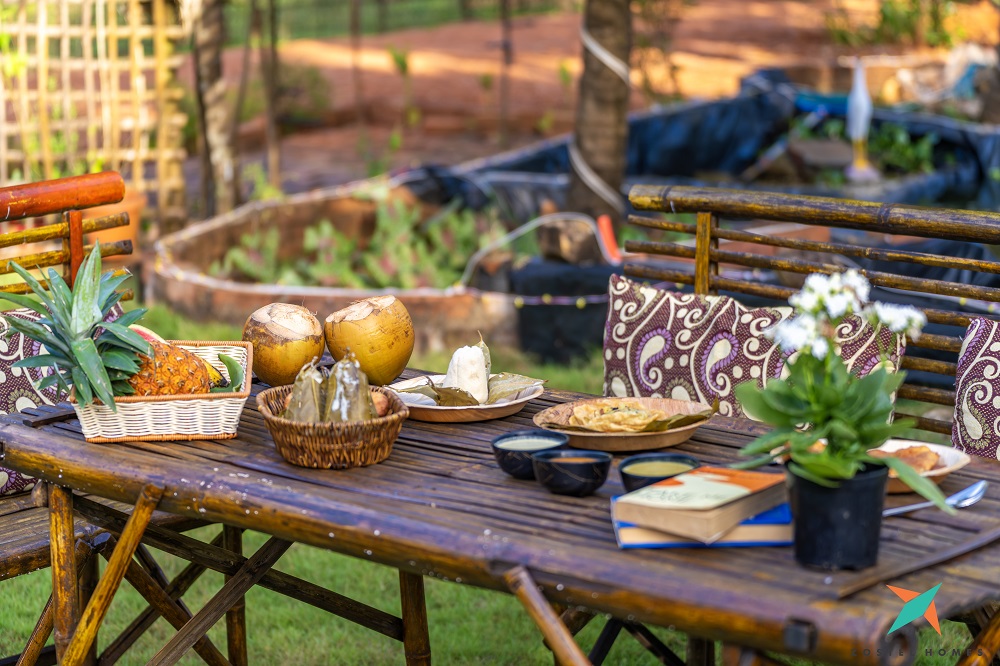
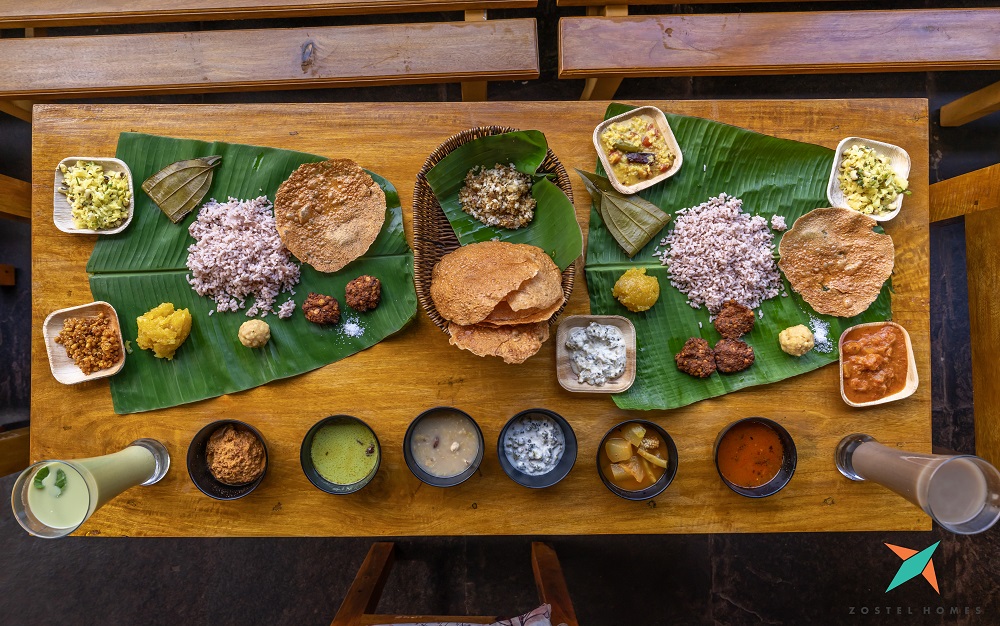
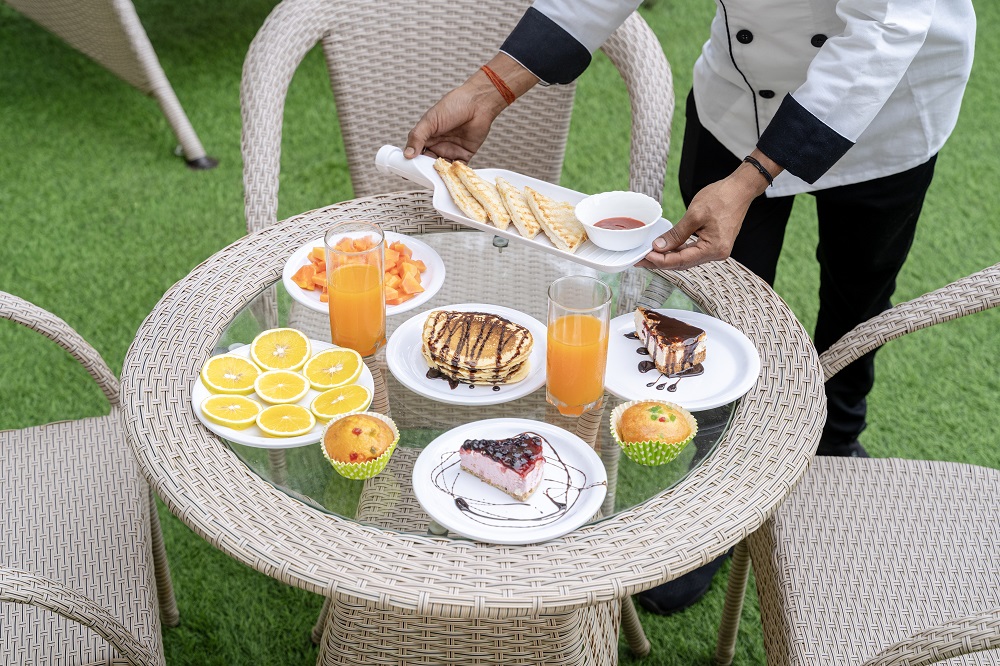
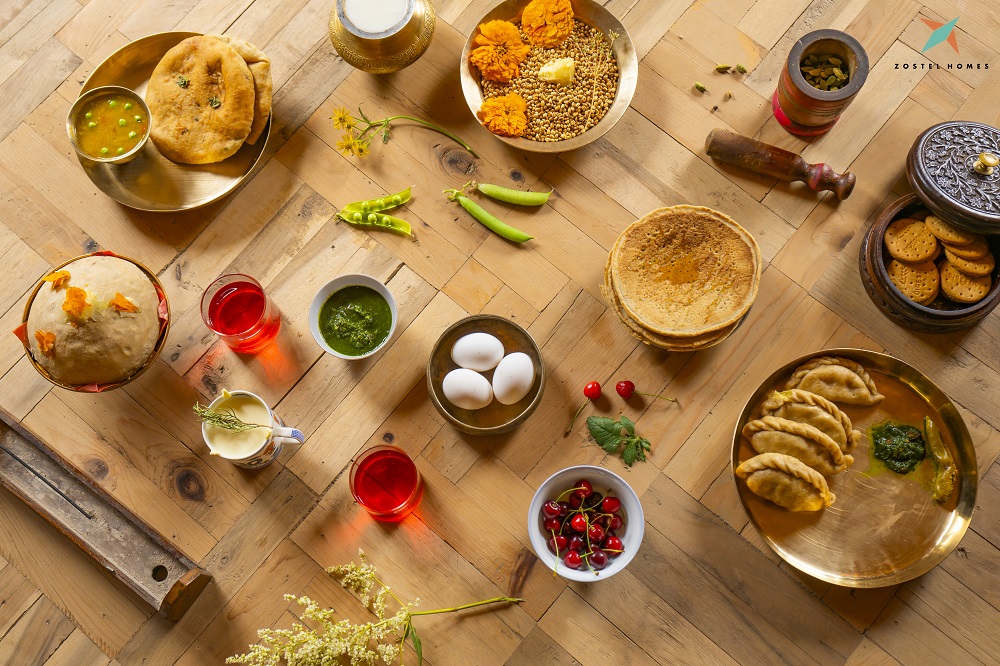
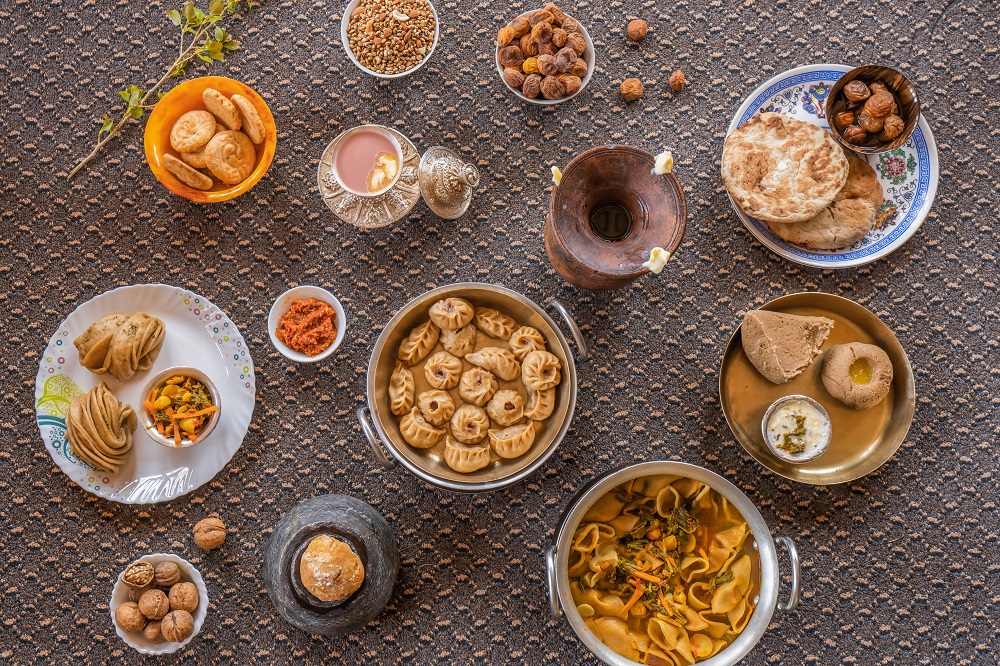
When it came to food, we worked on the primary principles: Affordable and local experiences, grab a bite on the go, as well as trying out the local food. For example, at our Zostels in Himachal we offer Siddu which is the traditional steamed bun made from wheat flour dough and stuffed with various fillings. On the other hand, backpackers need food with more nutritious elements, as well as cafés where they can hangout and mingle with other travellers. Thus, the food mix of a Zostel combines local culinary specialities, café-style snacks, high-energy backpacker staples and on-the-go foods.
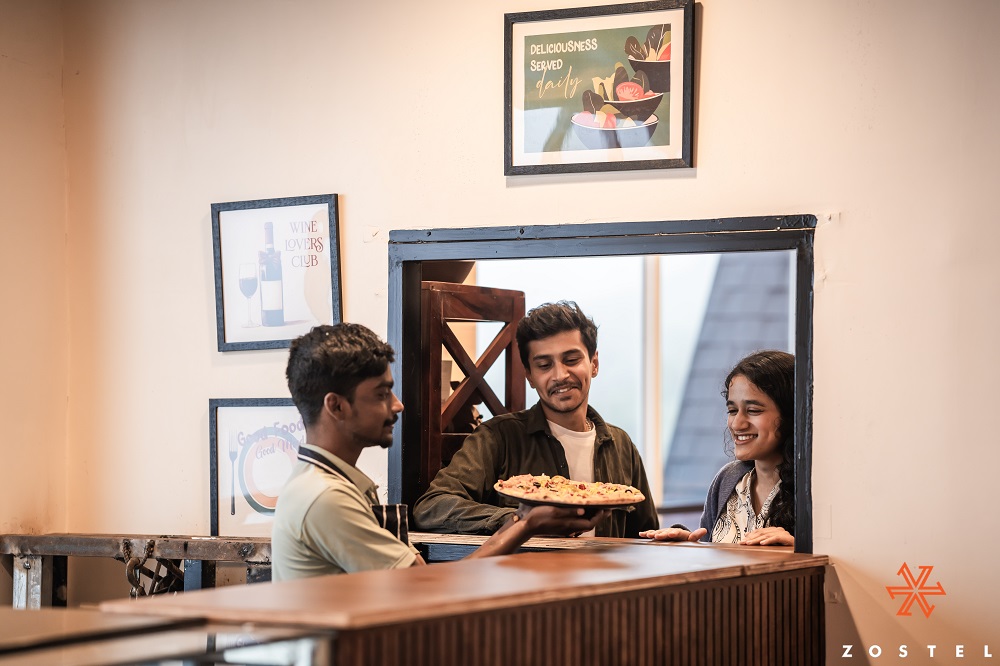
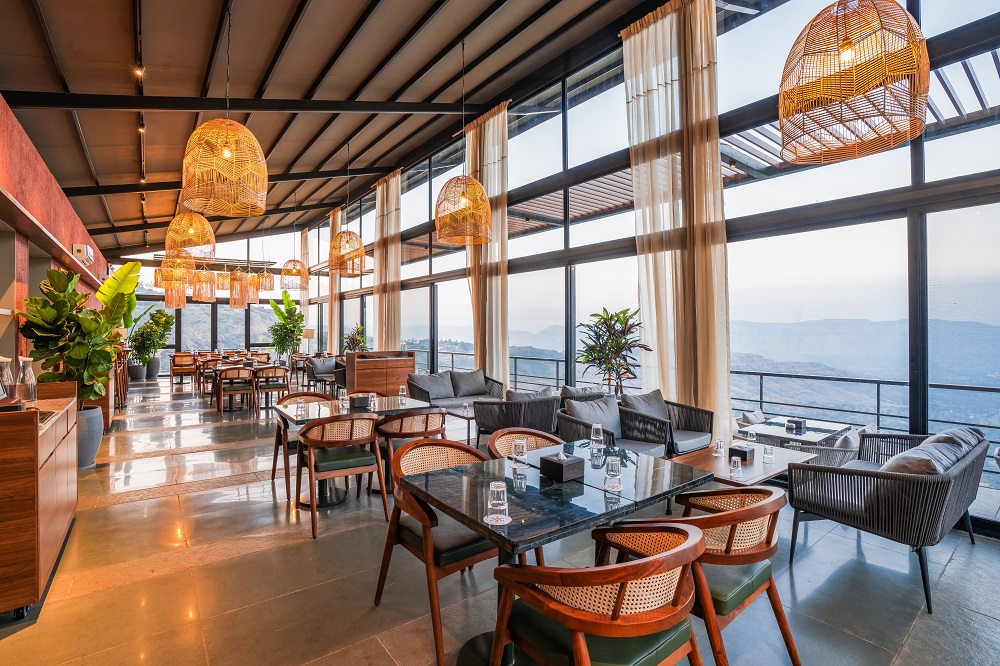
At off-beat places where there were few other eating places, Zostel clients needed restaurants where they could have all the meals in-house.
At another level, Zostels also became catalysts for a food enterprise ecosystem at the destination. A place only known among the paragliders back in 2015, Bir now makes a frequent appearance on the bucket lists of most backpackers. This was our first Zostel launch at an offbeat location. At the time of opening, one would have been hard-pressed to find even a paratha after dark at Bir. As young travellers began to pour in after we had promoted the place, cafes began to open including German bakery offering a variety from sourdough bread to pasta.
Zostel made its appearance and brought tourism to umpteen little towns across the country, some of them being Vagamon, Shangarh, Rajgundha, Chitkul, Sangla, and Sissu. Soon after Zostel’s arrival, these destinations became all the rage among backpackers, which also led to the development of tourism in the respective regions and the starting of food outlets for travellers . Zostel Spiti had made history to be Asia’s highest backpacker hostel, and our excitement was through the roof. But operating this property was no cakewalk. The guest list had to be made a day in advance, which we then shared with the on-ground team, who would prepare themselves for operations as per the communication from our Gurgaon headquarters. Due to this, same day bookings were not allowed, and walk-ins were the only exception. Today, Spiti ranks as one of the most coveted backpacking destinations in India.
The Young GenZ love these places and generated tons of user-generated content that bring more travellers to the place.
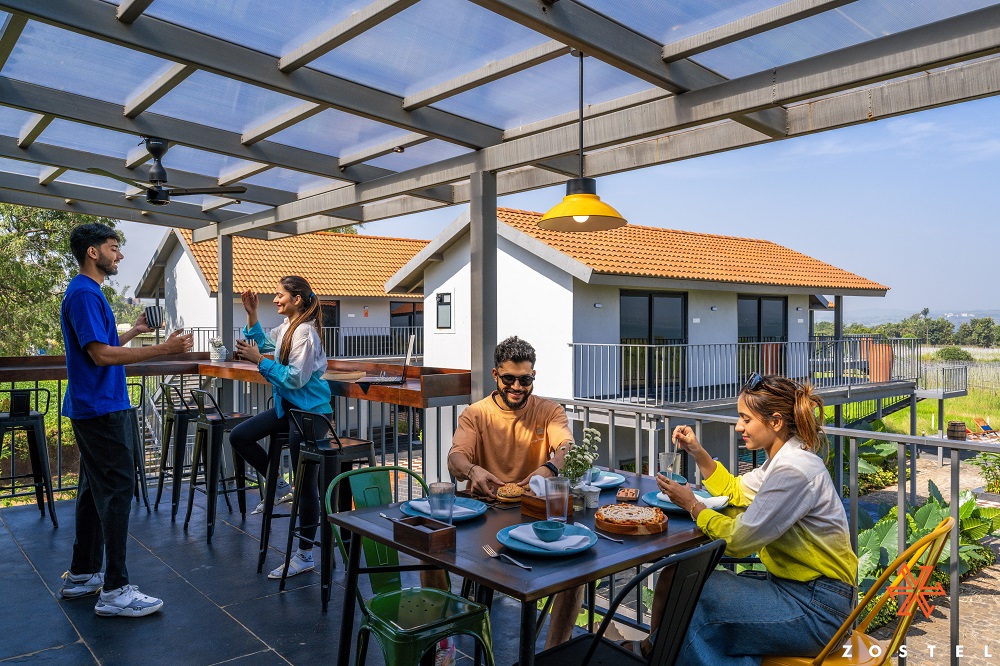
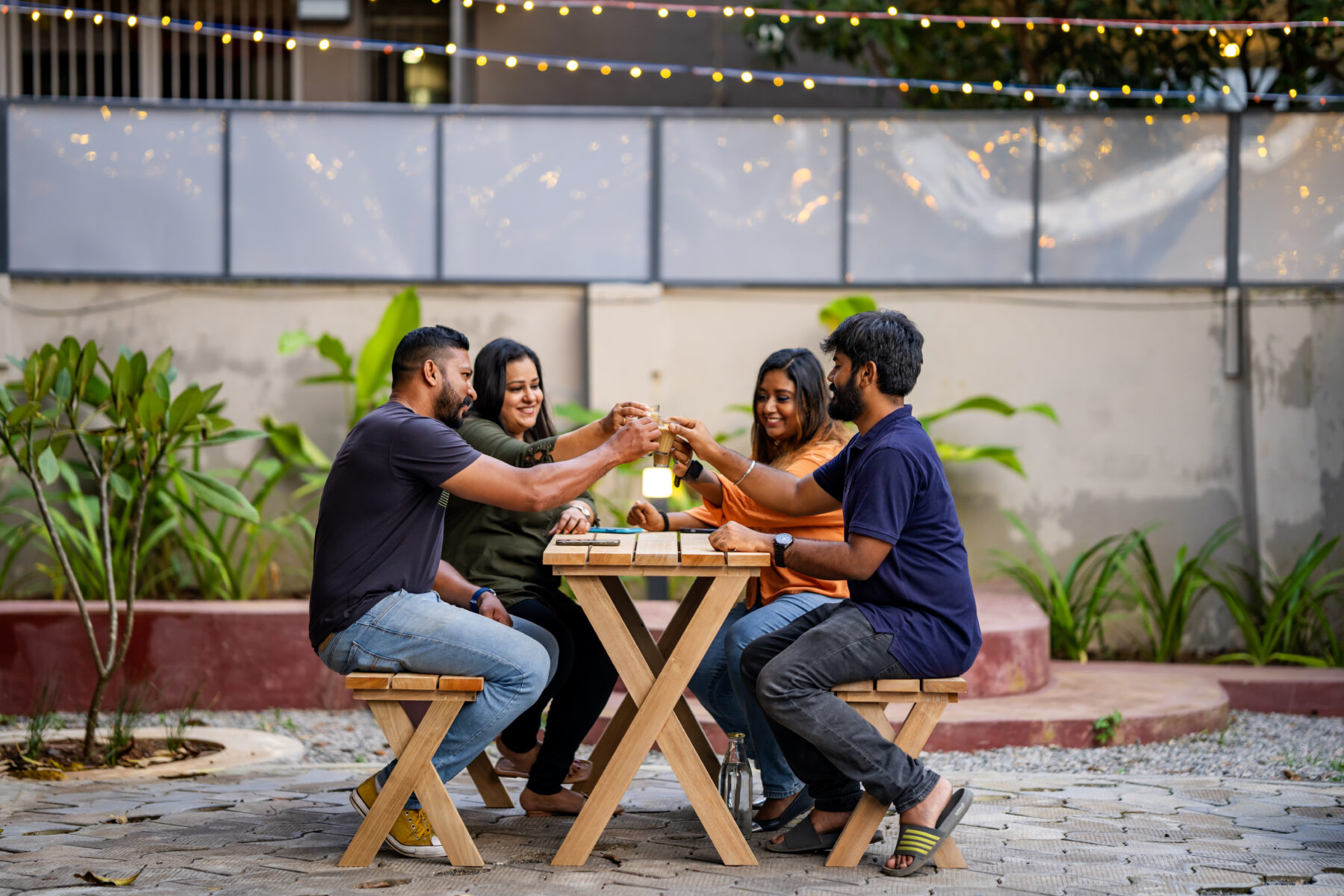
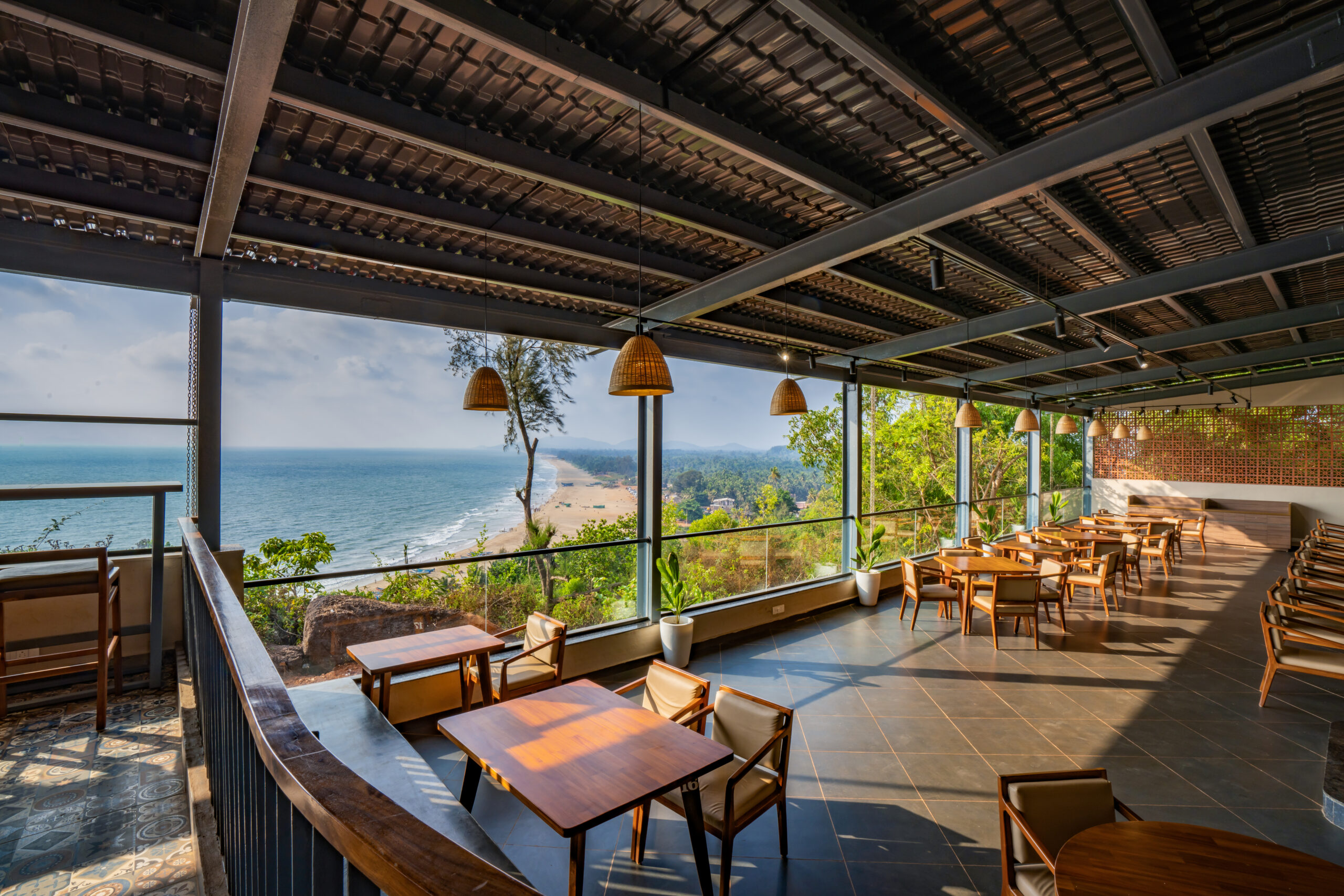
At some destinations, the owner of the Zostel has opened a café alongside the hostel- Chennai, McLeodganj, are some examples. At some places, Zostels have bar licences and develop personalised drink experiences. Some owners are passionate and creative innovative cocktails.
At a top level, we are now working on passion-driven Zostel opportunities. Like Zostel in Varkala targets surfers. At destinations known for gastronomy, Zostels offer the best lists and insider information for culinary experiences.
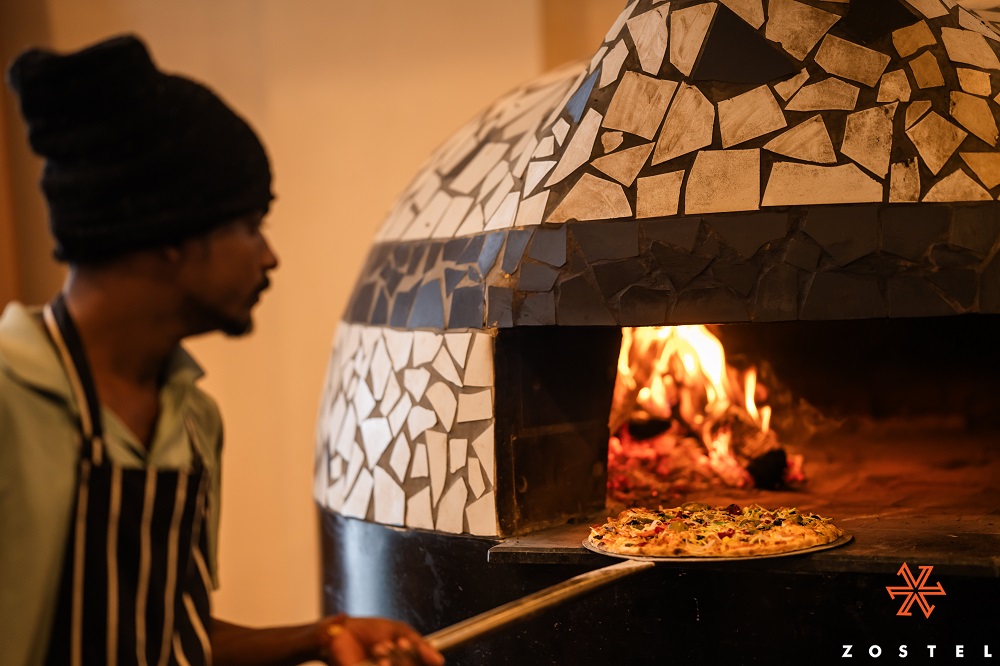
Micro- entrepreneurship experiences also exist for Zostel which is one of most loved travel brands. A person passionate about Italian food has created a chimney based pizza kitchen that needs just 6X8 ft space, which is easy to replicate in Zosters. This is the kind of integration we can bring to all Zostels.
Today, F & B brands test out of their products at the Zostels where they get the feedback from the right clientele and the younger generation.
We have worked on newer verticals like Zo Rooms for those who want privacy, Zo House which includes tech-enabled clubhouses, Zo Villa, and Zo Trips. Each will have a culinary portfolio to match.
ABOUT THE AUTHOR
Aviral Gupta is the CEO of Zo World (parent company of Zostel), appointed in August 2025 to lead the next phase of growth in travel, tech, and community.