
The Olive Group brings the world’s most iconic neighbourhoods to Wood Street, blending global flavours and rituals with a lived-in soul.
Tucked away at the end of Wood Street, The Hood draws the world’s neighborhoods into the heart of Bengaluru. Conceived by AD Singh, MD & Founder, the Olive Group of Restaurants, and his key team it opens in the former home of Toast & Tonic. Here global hoods come together to share their flavours, rituals, and stories with Bengaluru.
What makes a place a hood isn’t its postcode but its pulse – the way people eat, drink, and gather. The laughter spilling from a Parisian café. The slow ceremony of a Kyoto teahouse. The rhythm of a Fort Kochi street corner at dusk. The Hood distils those moments into one shared space, worldly in character, familiar in soul.
At its essence, The Hood is about belonging; that easy comfort found in good company and thoughtful detail. Gion in Kyoto, San Lorenzo in Florence and Mar Mikhael in Beirut shape its menu at the start. Each interpreted through flavour, ritual, and design. “We’re not trying to imitate Kyoto or Florence,” says AD Singh, “but to interpret what those places make people feel; their pace, their gestures, their way of connecting.”
Neighbourhood Stories on Your Plate
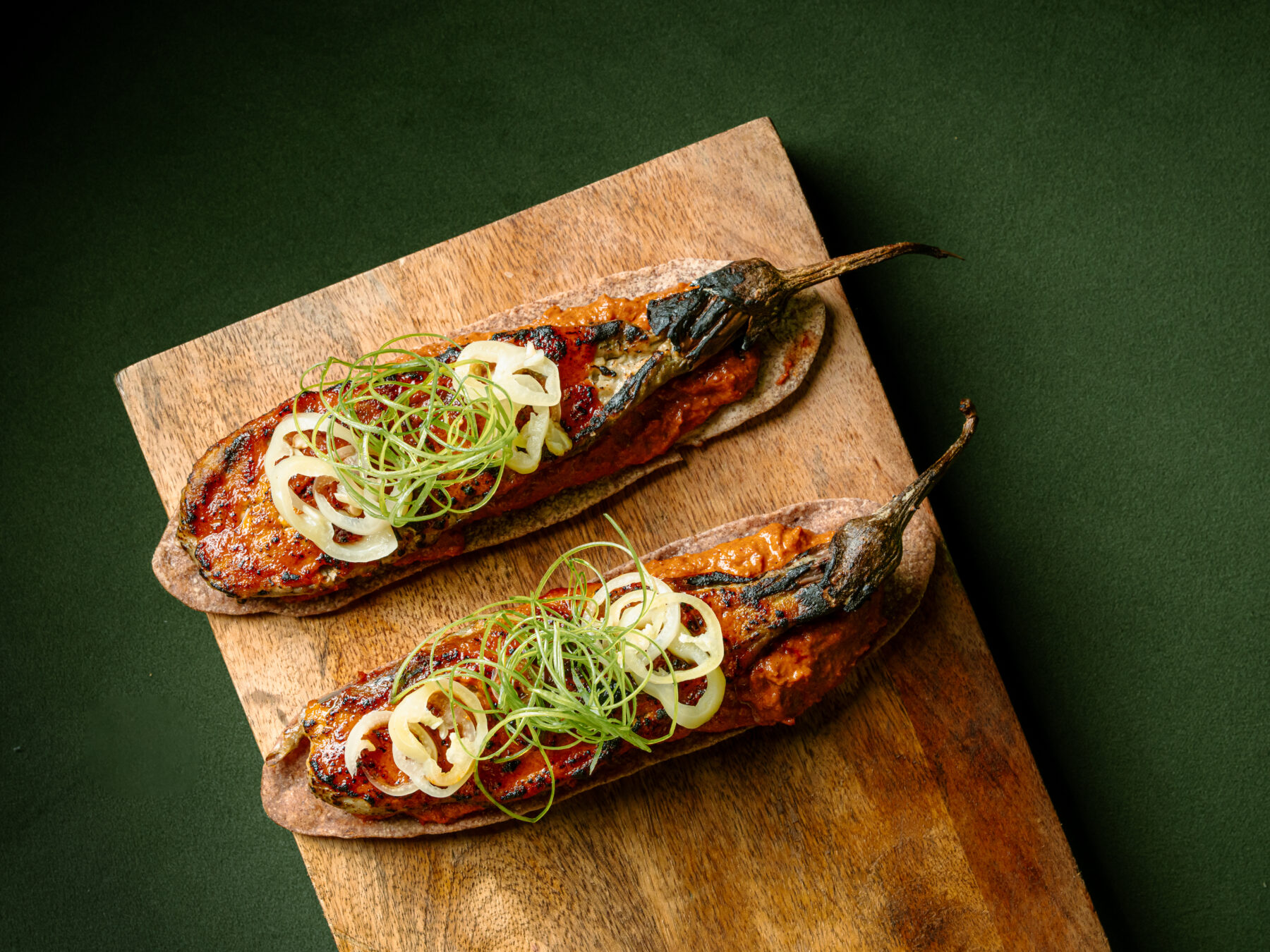
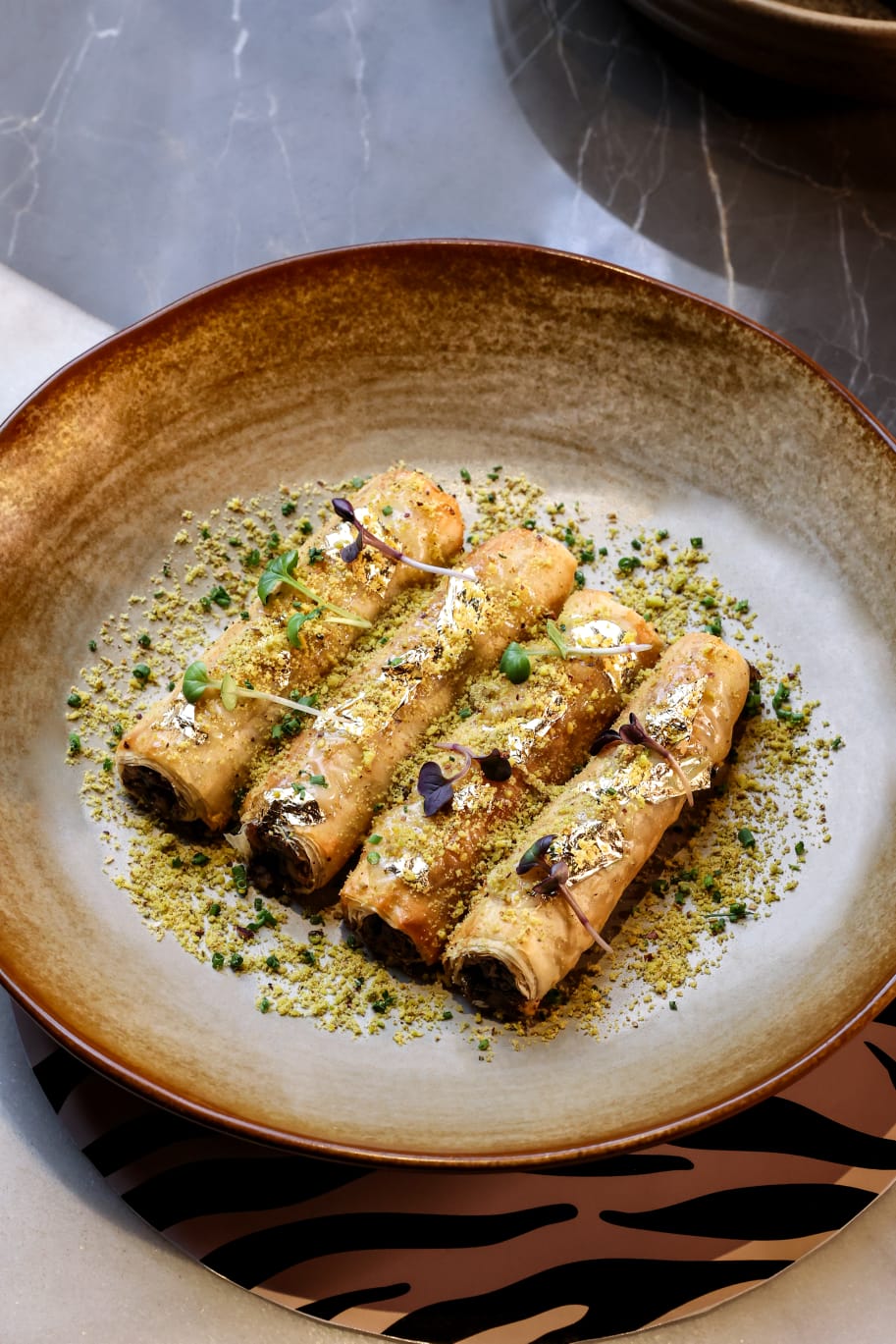
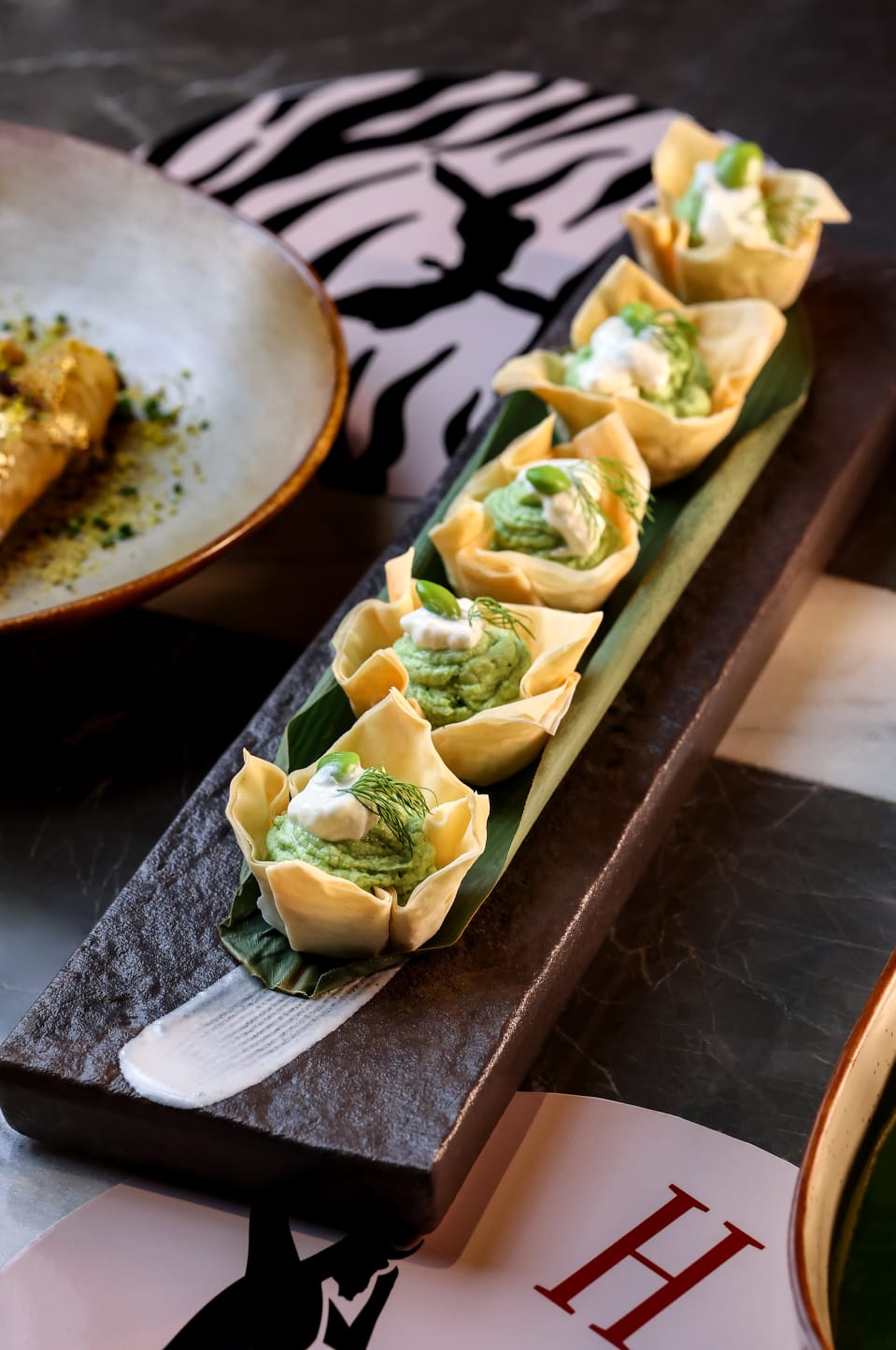
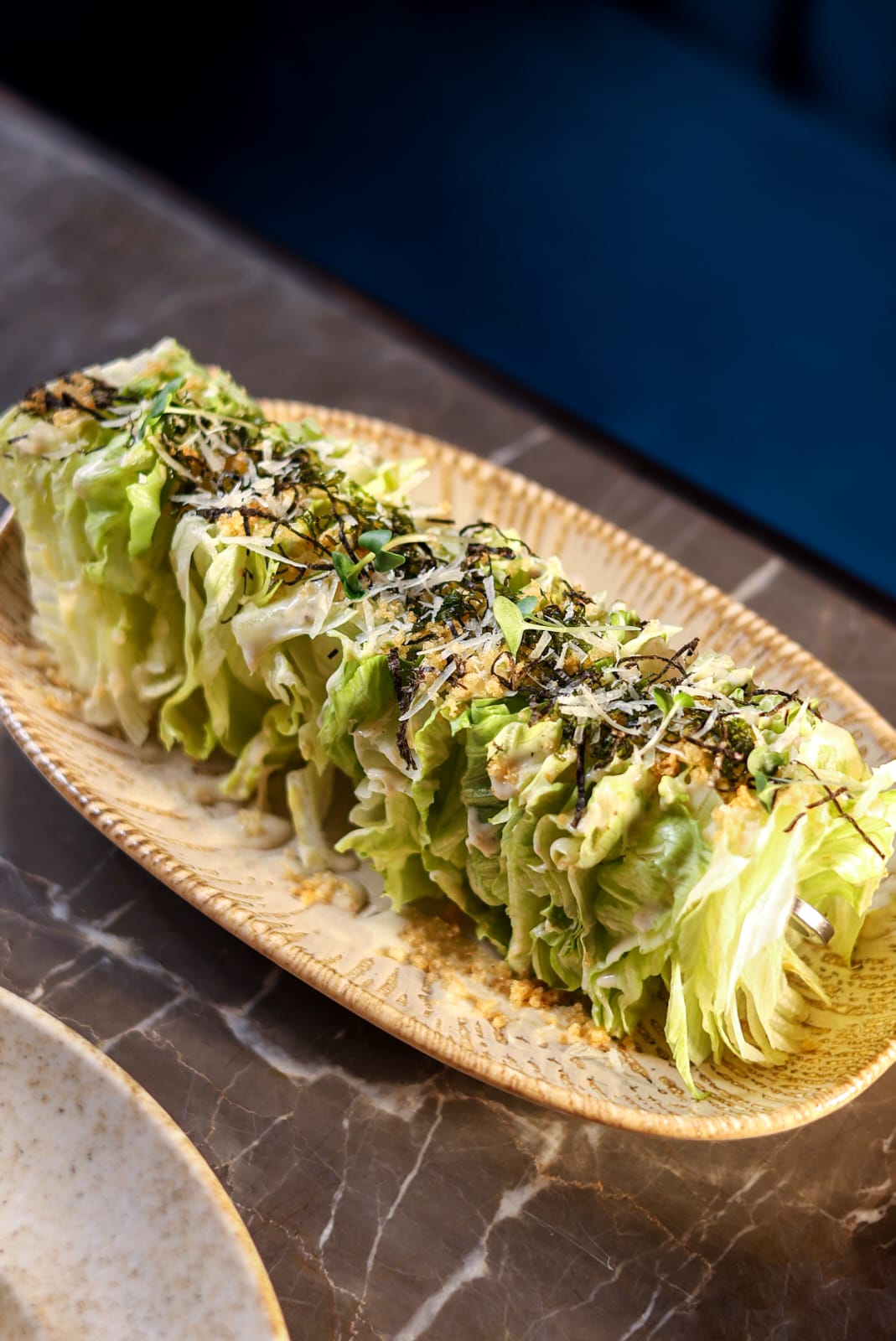
Led by Chef Dhruv Oberoi, Culinary Director, The Hood, The Olive Bar & Kitchen, Delhi & Goa; and The Grammar Room, the food menu looks to the classics of each of the three launch hoods: Gion in Kyoto, San Lorenzo in Florence and Mar Mikhael in Beirut.
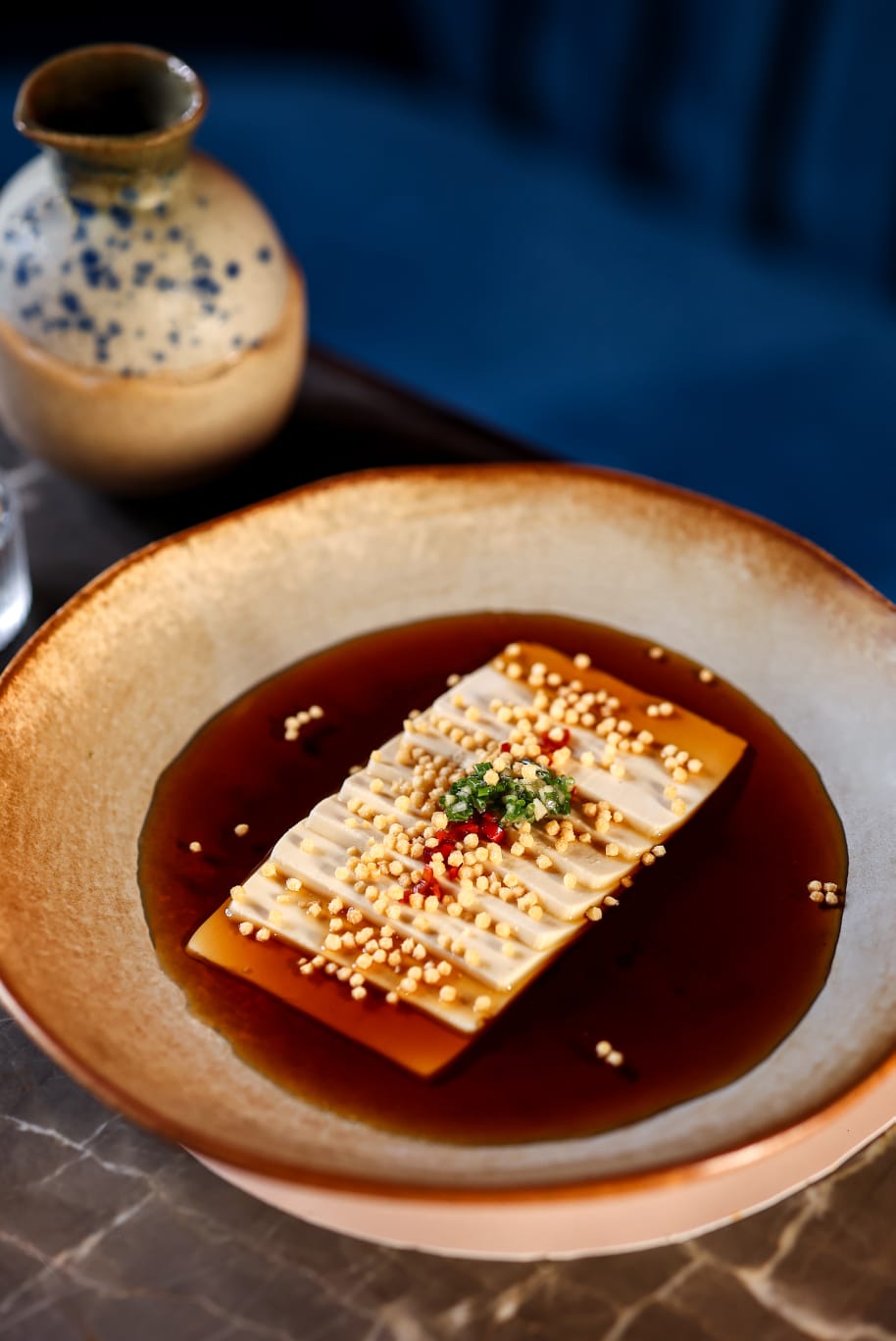
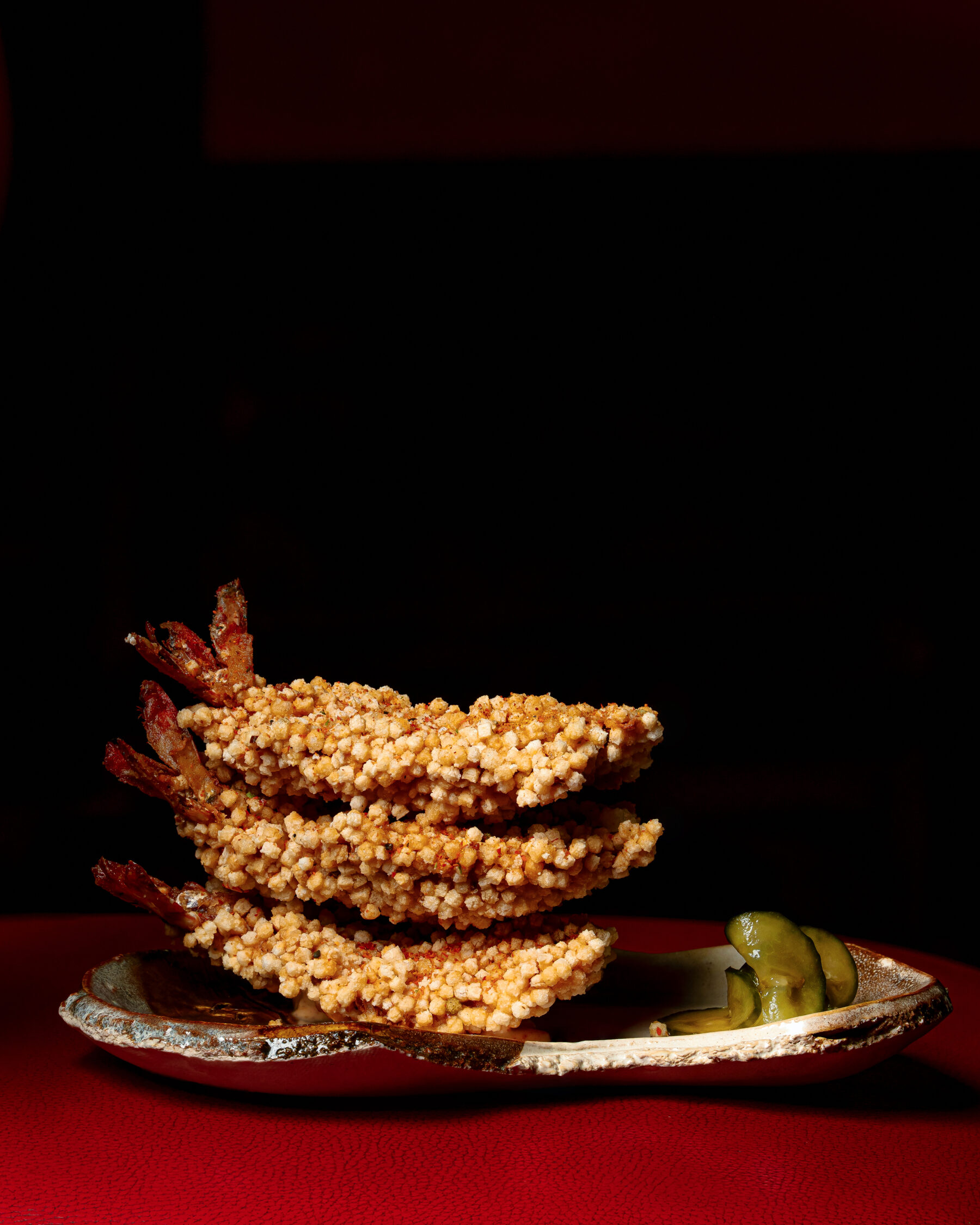
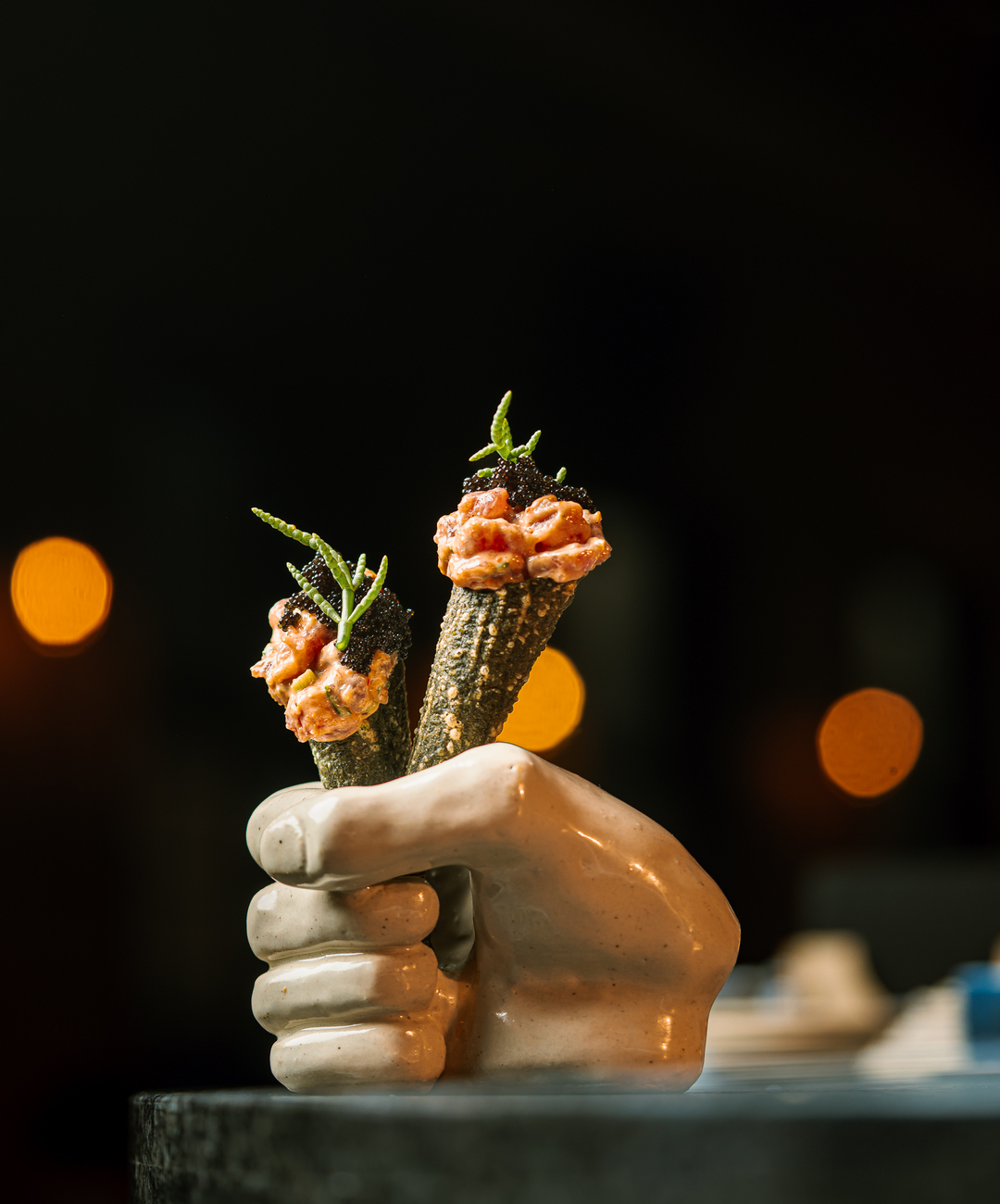
From Japan, the food leans into the ritual of the hand with the appetisers. The Karaage of Enoki Mushrooms and Sea Asparagus pushes you to stop conversation and simply indulge in the crunch. Toro Temaki – hand rolls of rich tuna sans rice, wrapped in spiced, crisp nori sheets, will have you lick the spice dusting off your fingers. The minced pork gyoza brings quiet comfort, pan-seared with a beautiful hanetsuke, perfectly paired with the rayu chilli oil.
From Beirut comes the Black Lime Hummus that carries citrus sharpness and the rich warmth of charred cashews. The Bone Marrow is rich, the dripping anchored by spice and balance. Laban Immo, goat cooked gently in its own milk, served with pearl cous cous and crispy okra, makes for a satisfying meal.
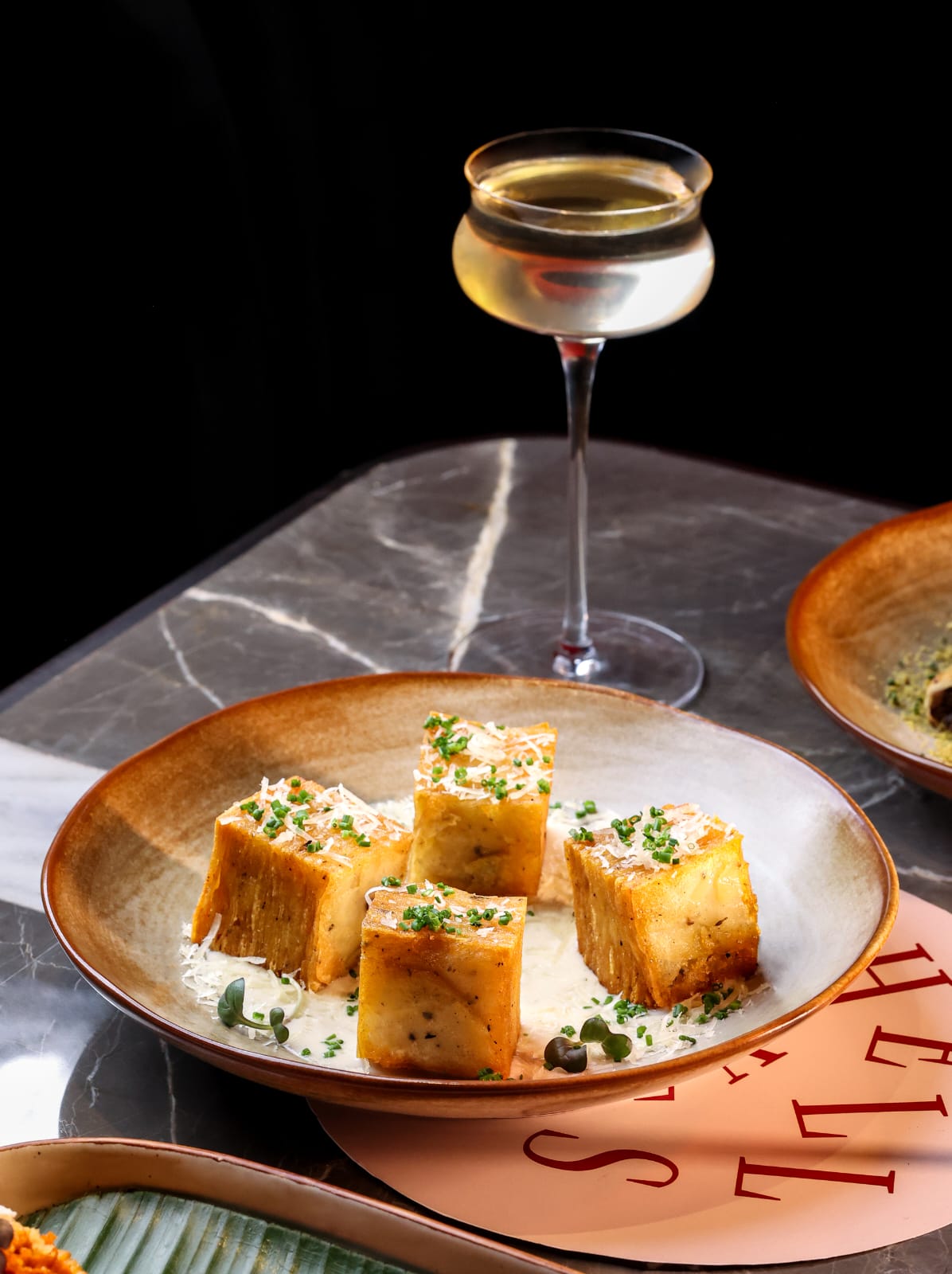
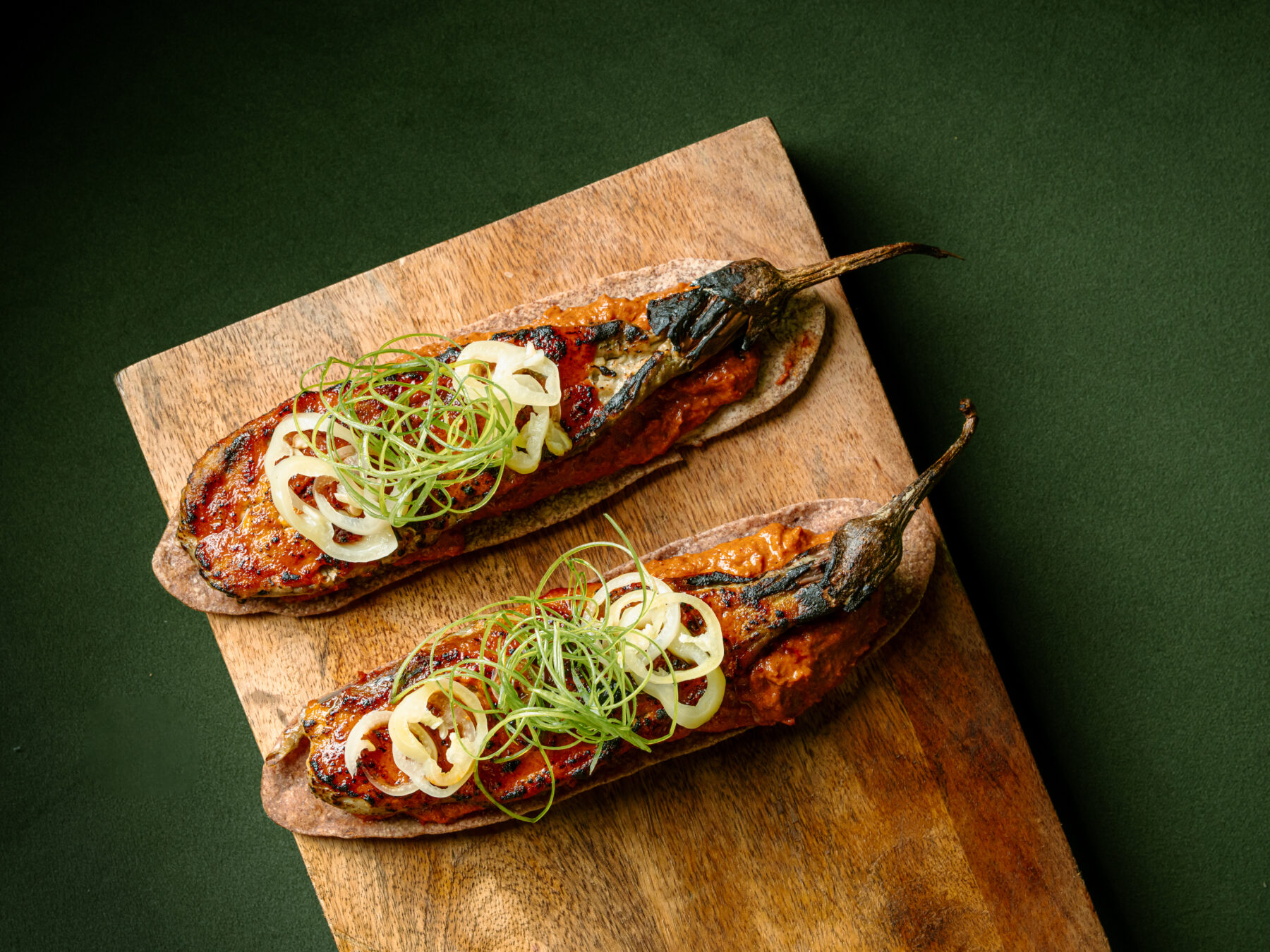
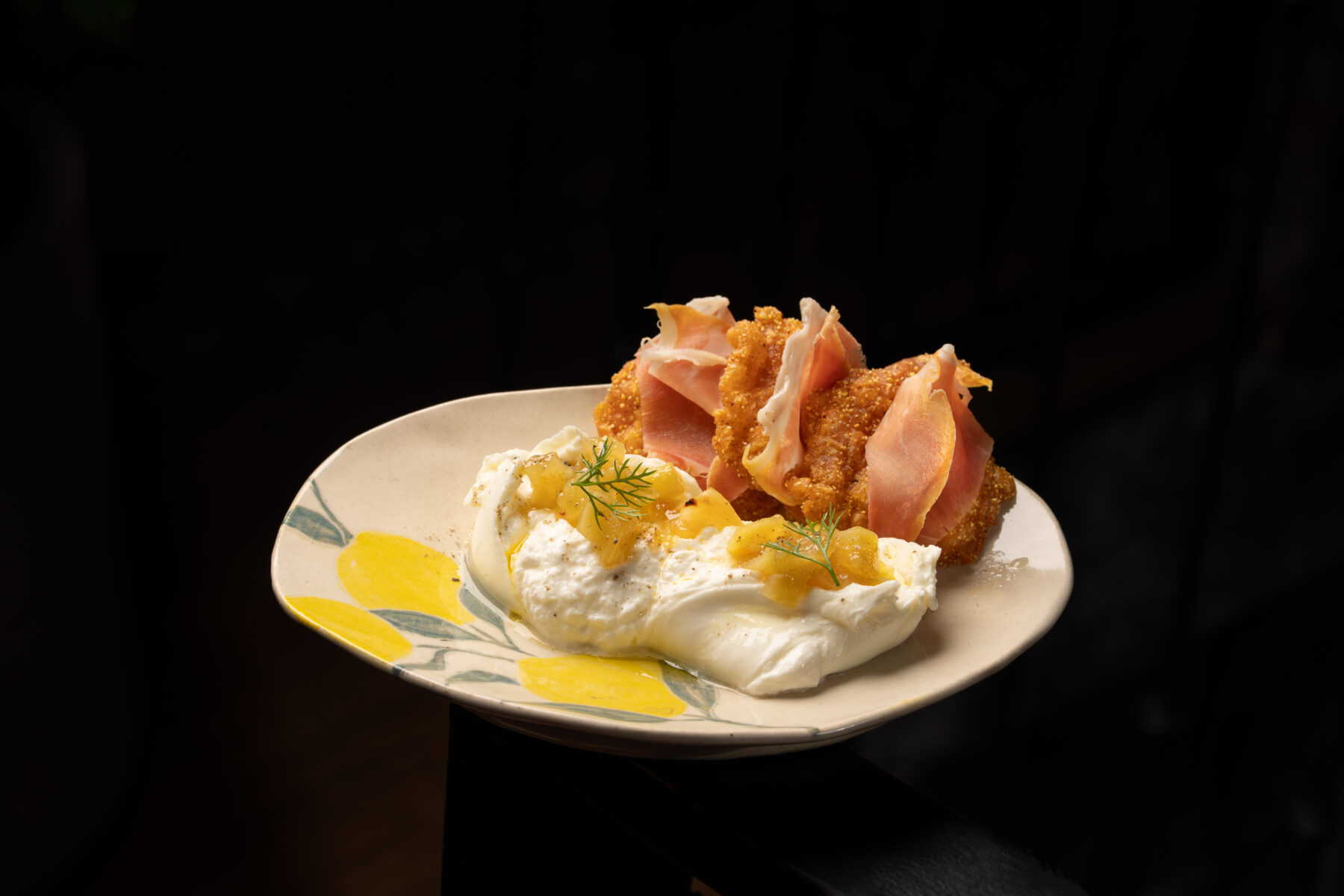
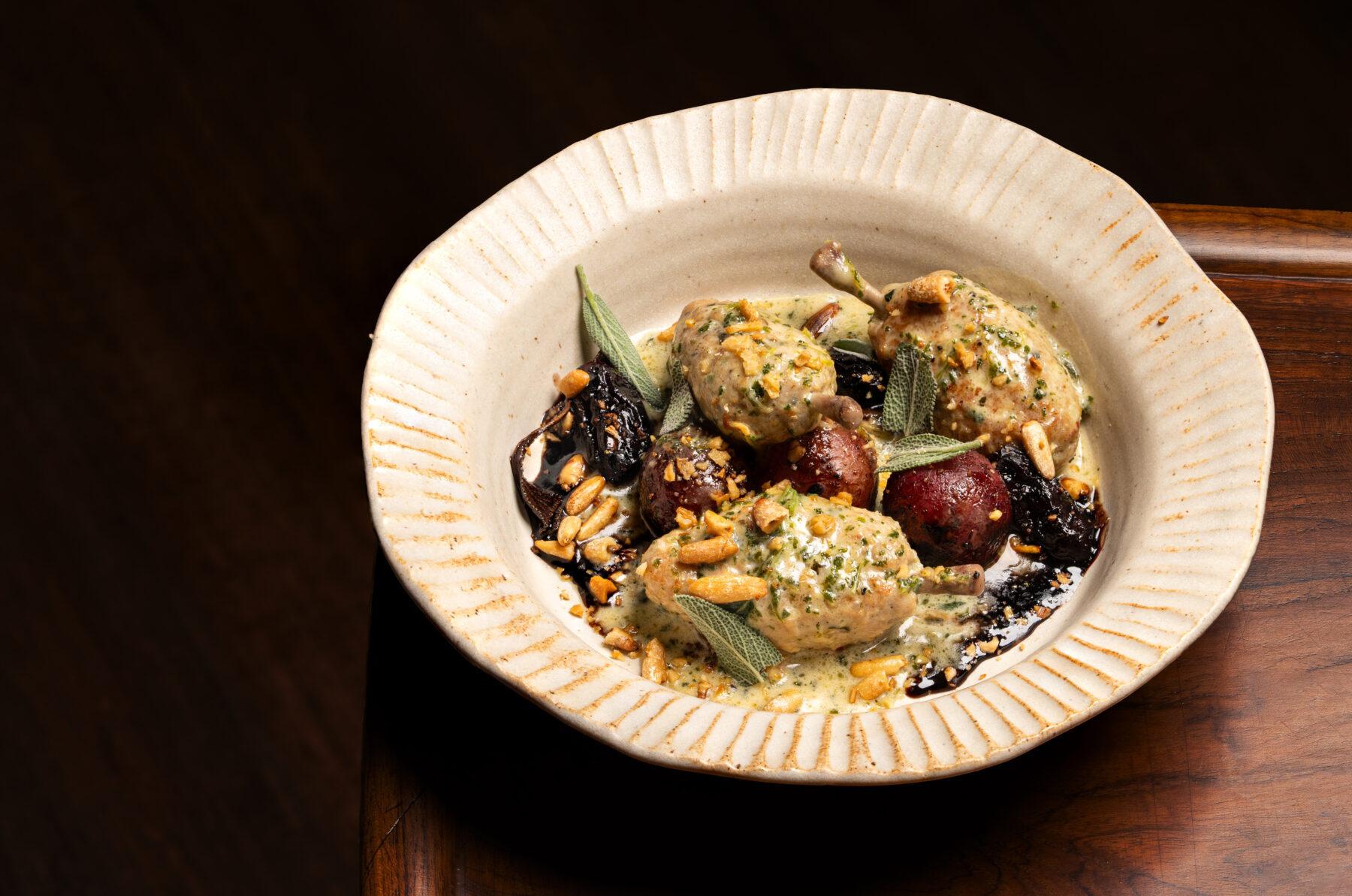
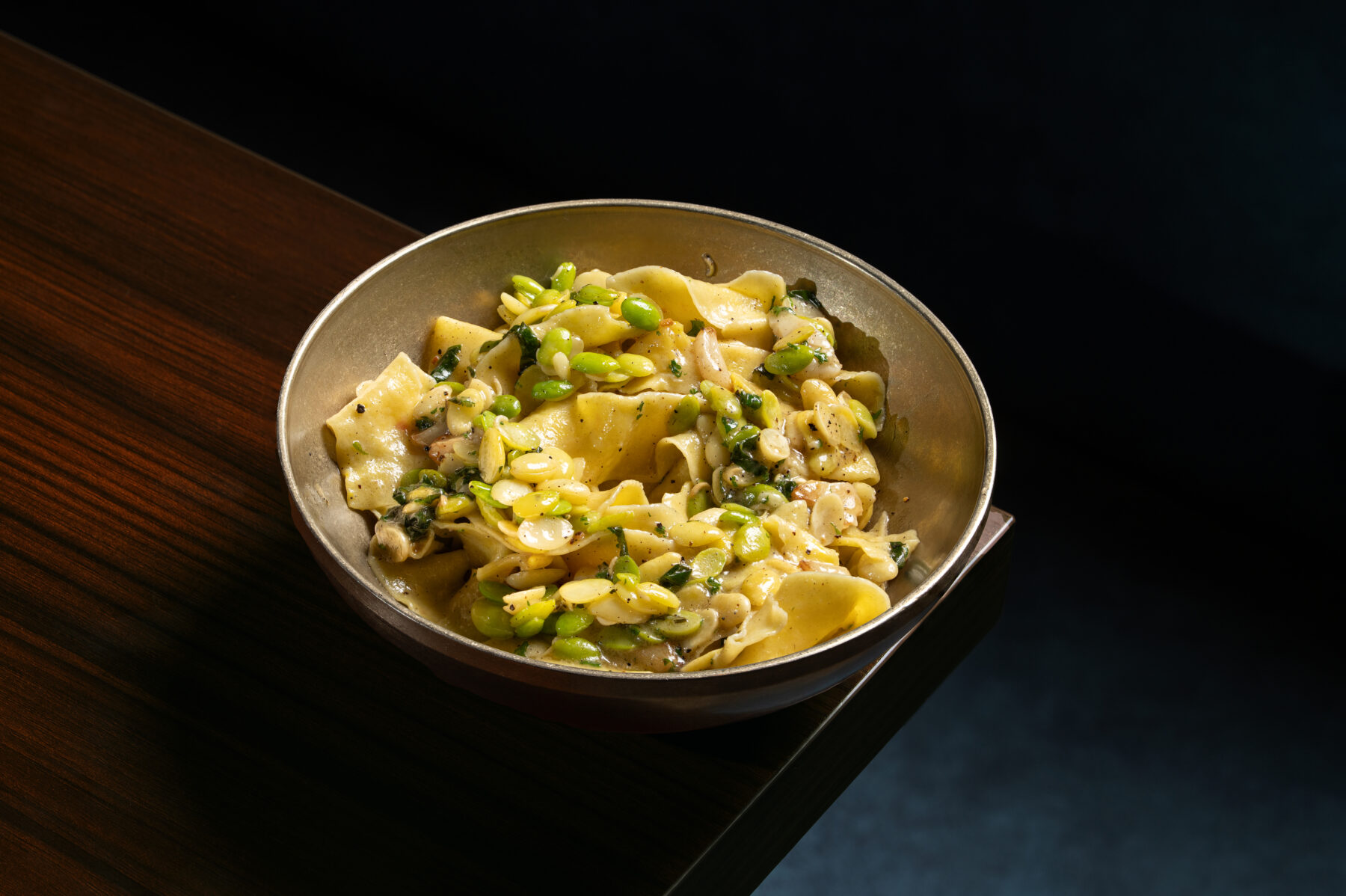
From Italy, what better than to start with Burrata, topped with a mango mostarda to begin your journey. The Plancha plates move between sea and land: squid plancha, pan-smoked with burnt basil, aglio emulsion and chilli crunch, and sunchoke plancha, crisp-edged and earthy with the same treatment and gnocco fritto. Dishes like Ricotta Gnocchi with vincotto grapes and pappardelle with beef bolognese anchor the section, before ending on a Hot Tiramisu with whipped mascarpone and Amaretto coffee caramel.
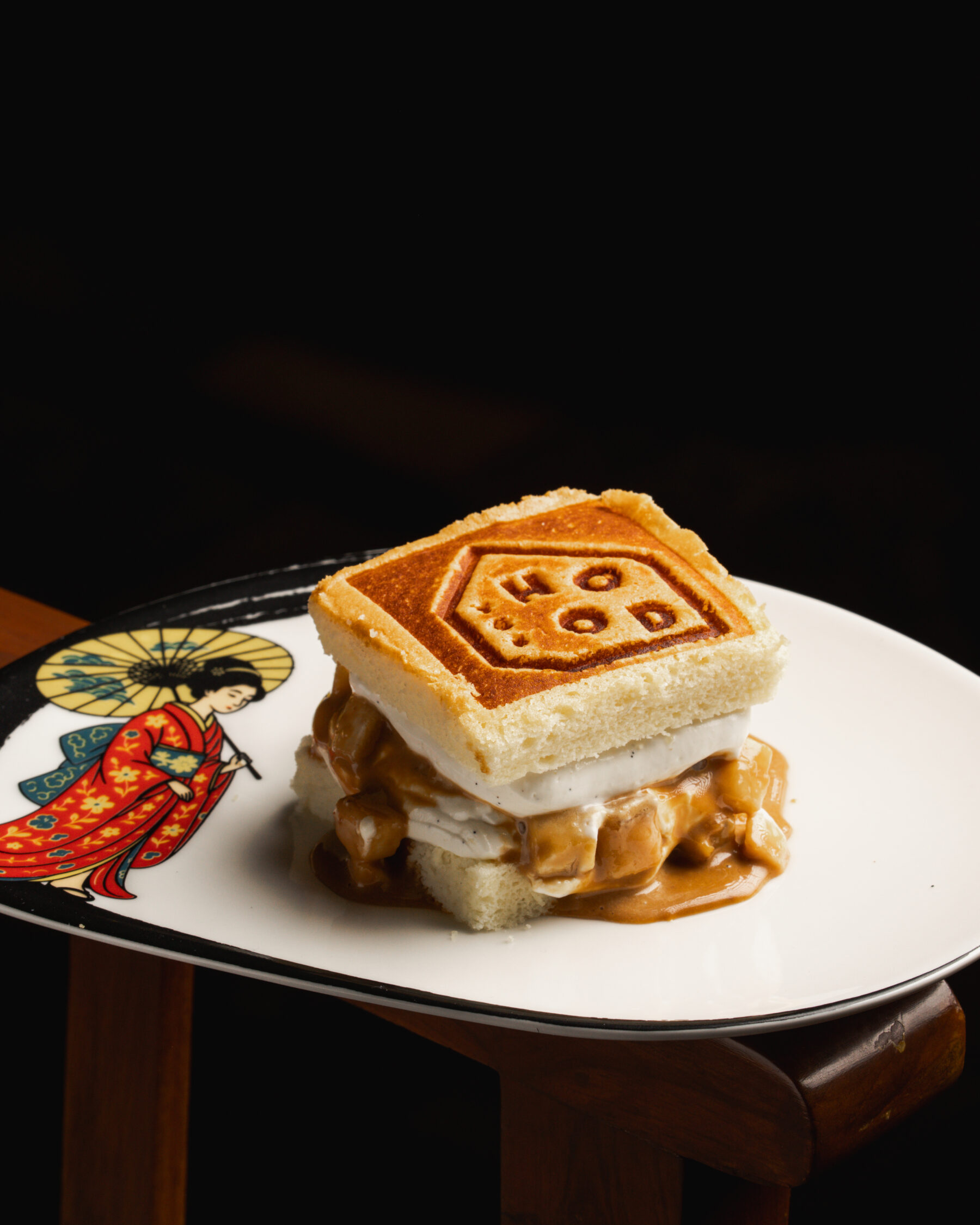
Crockery at The Hood carries the neighbourhood story quietly. Plates from Gion sit in deep lacquered browns, reflecting restraint and precision. San Lorenzo comes through in sage and sun-warmed greens, drawn from Florence’s everyday palette, while Mar Mikhael leans into beige and blue, echoing Beirut’s coastal ease. Each surface is designed to support the food and its origins without drawing attention to itself.
“The design itself holds the story,” says Dhruv. “It should feel lived-in, not performed.”
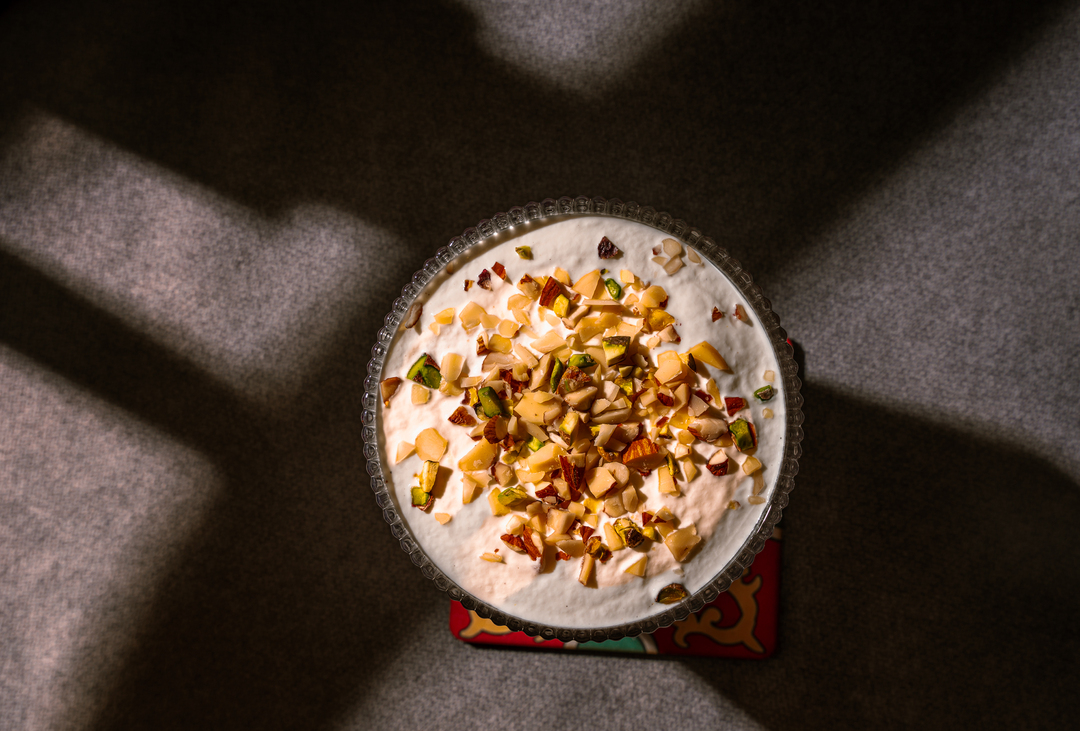
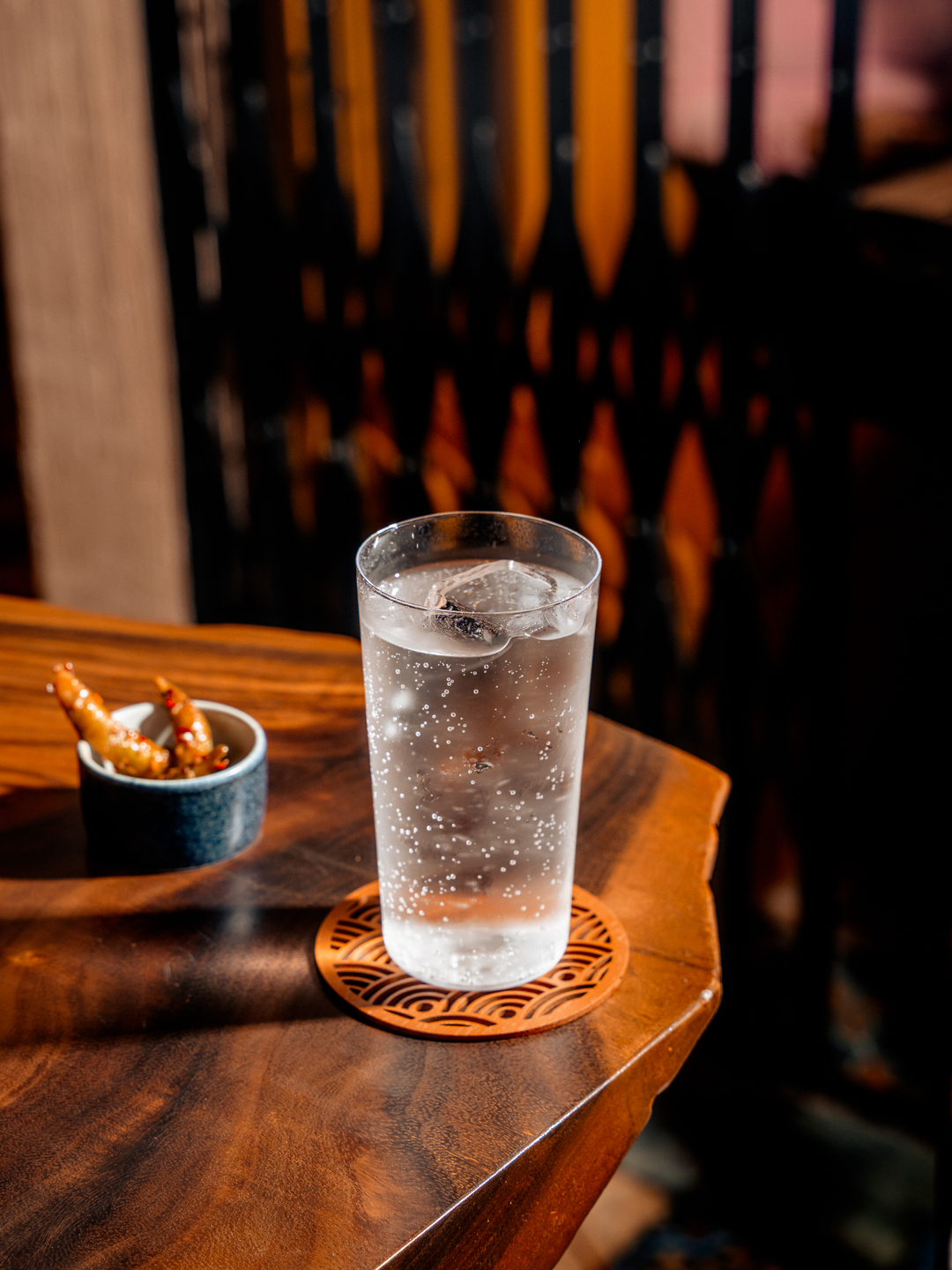
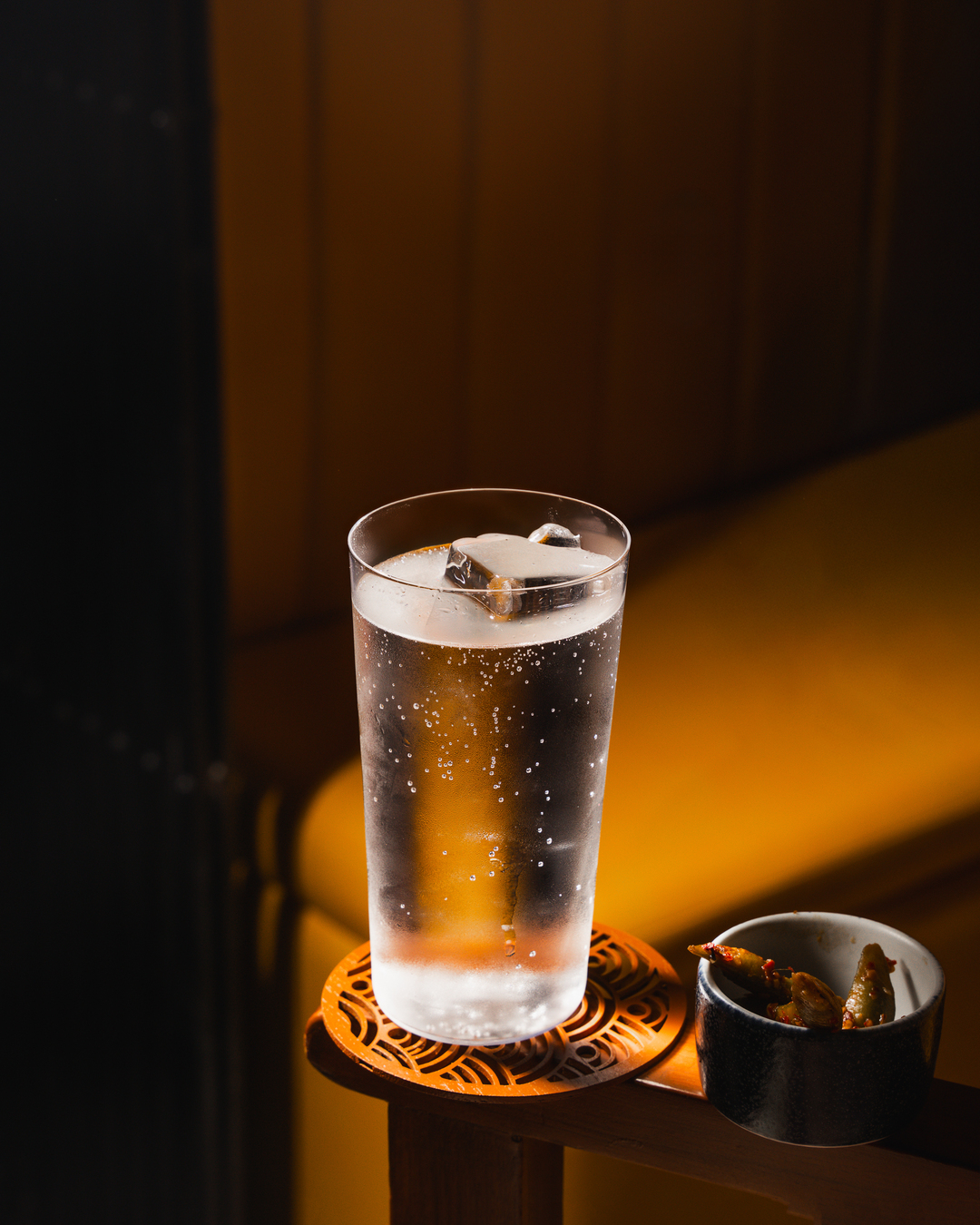
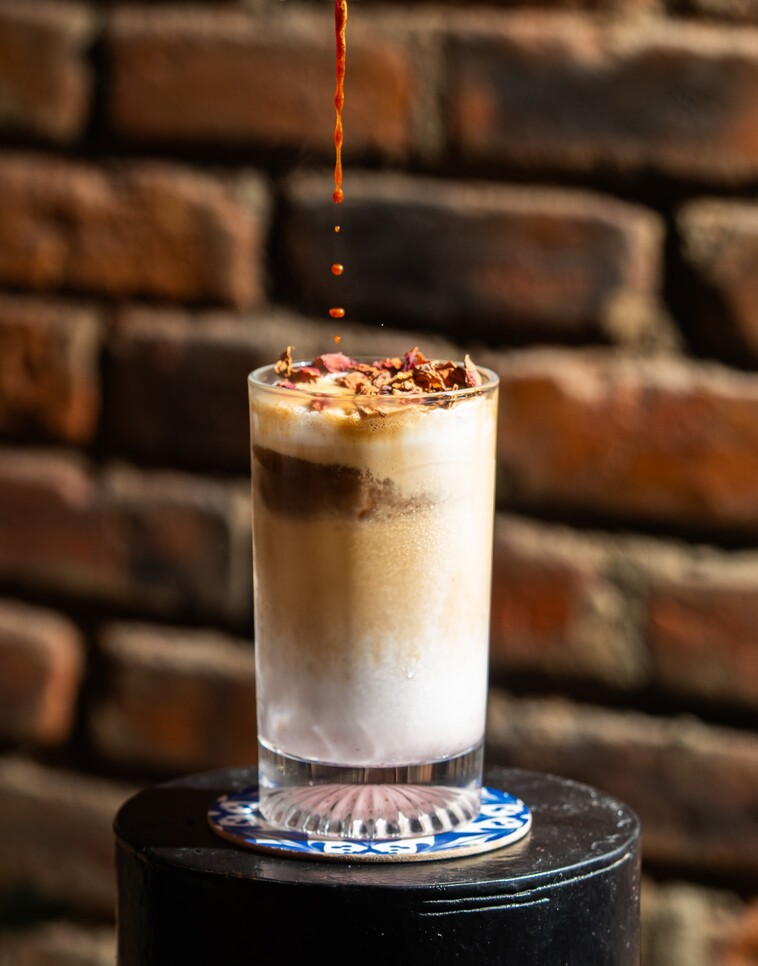
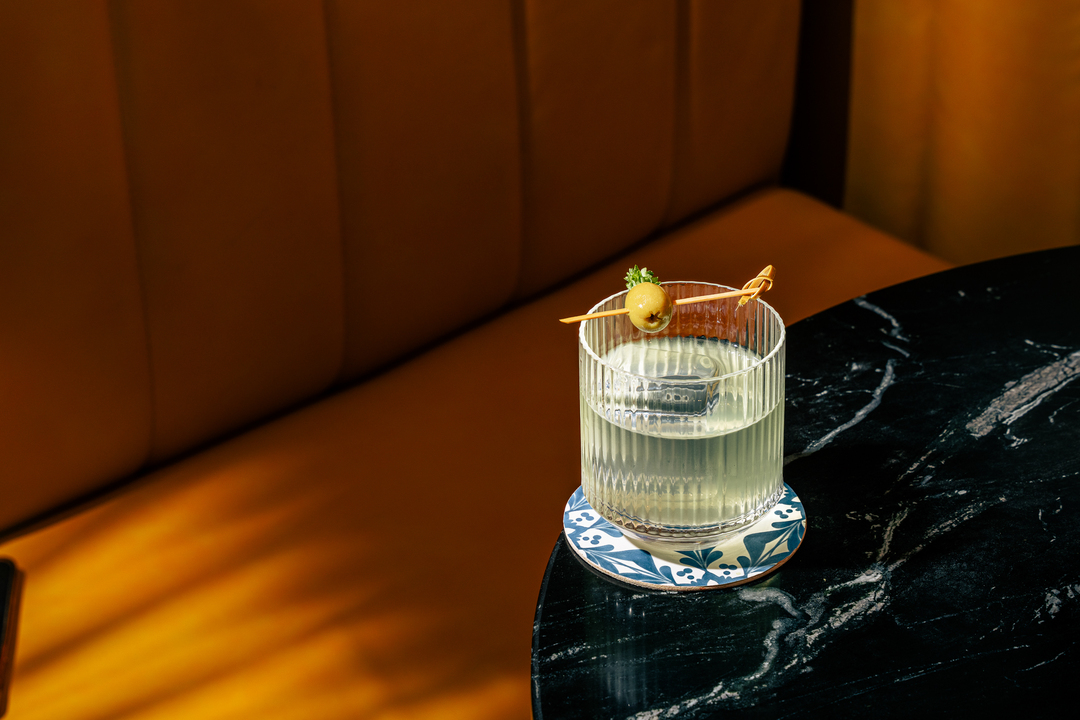
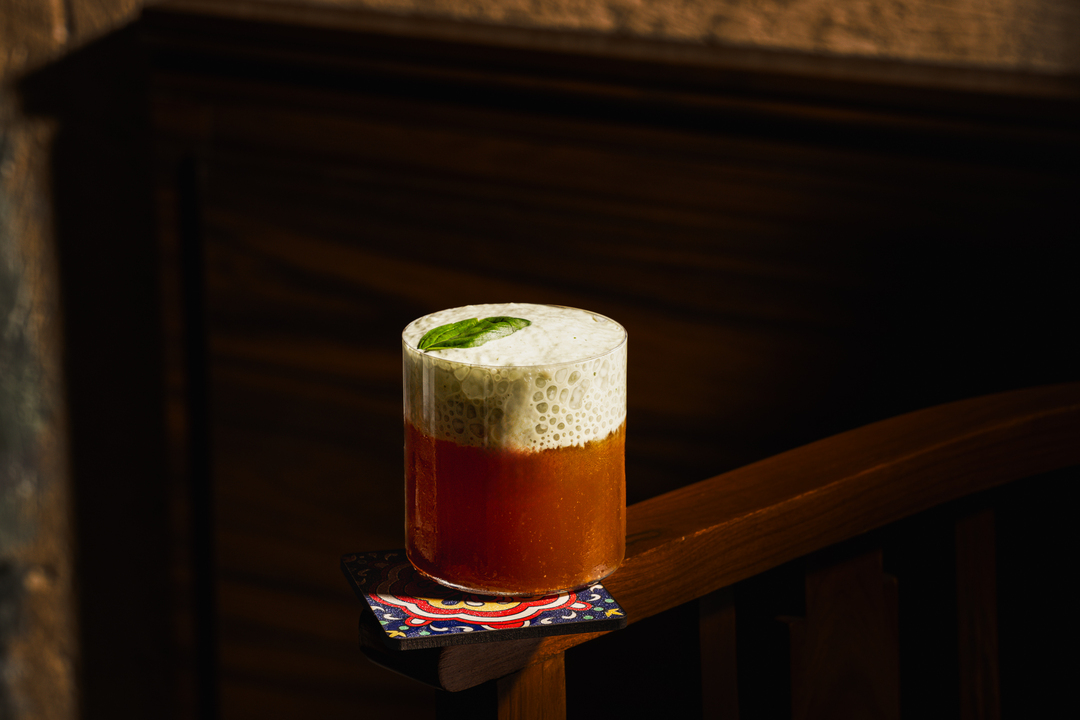
From the table, the story moves to the bar, where each neighbourhood finds its voice through the way it drinks and transitions through the day. Built on three anchors of glassware, ingredients, and ritual, it brings the drinking rhythms of global neighbourhoods into two distinct moods: bright daytime expressions and slower, more reflective evening serves. Lebanon leans into warmth. The Olive Thief blends vodka, curd, lemon, olive, garlic and parsley, finished with olive oil, while Dance of the Beirut Bandit settles into coconut, sesame and saffron milk with rum, topped with cinnamon-orange foam and crushed nuts.Italy brings ease and familiarity. Lemon Grove Sunset Hour lifts Amalfi lemons with prosecco and a hint of balsamic, while Tuscan Tomato Fields Forever layers tomato water, sun-dried tomato mezcal and tequila, finished with a soft cheese-basil foam. Together, the drinks echo their neighbourhoods quietly – deliberate, recognisable, and made to belong at The Hood.
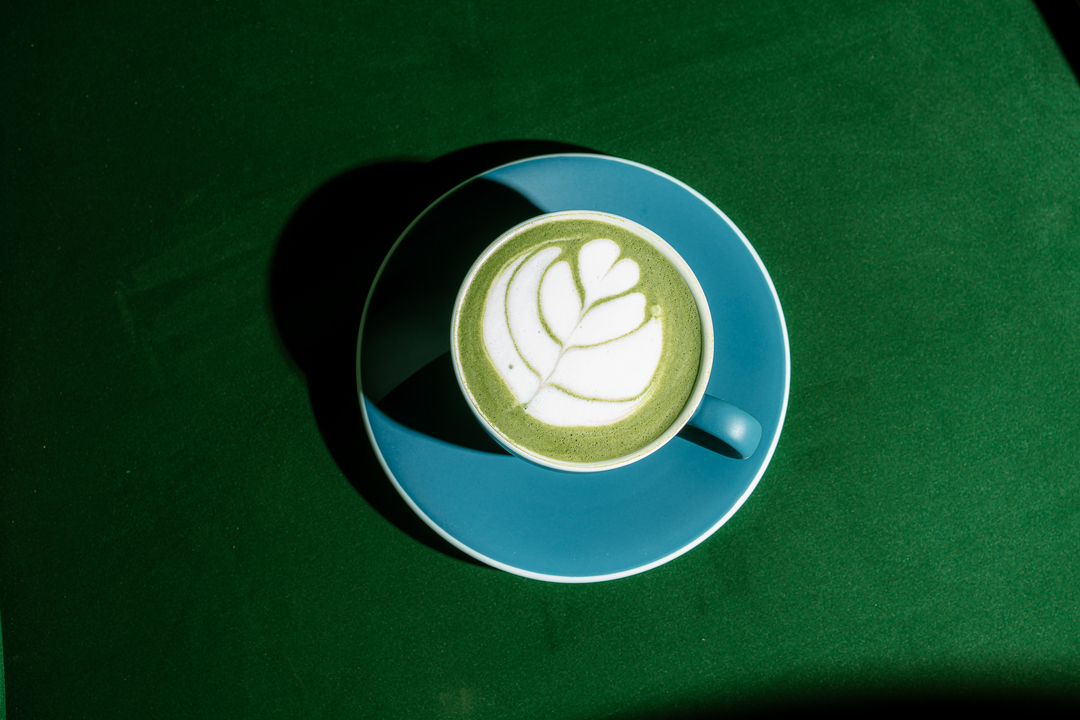
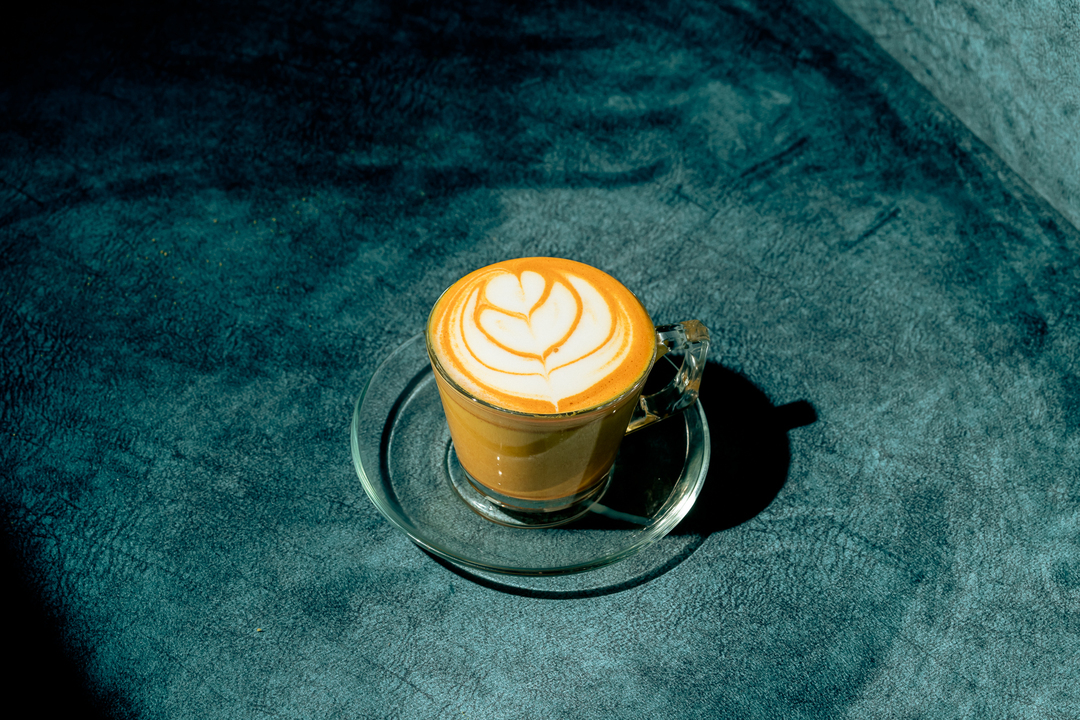
The neighbourhood rhythm softens with coffee, shaped by the small rituals that help people pause and reconnect across the world. A gesture, a pour, an accompaniment that completes the moment. We bring these rituals to you through small experiences from across cities and cultures. From Florence comes the clarity of an Espresso bar; a sip in a thick ceramic cup with a sliver of dark chocolate or almond cantuccini. From Kyoto, we bring a measured calm, where Matcha or Hojicha is whisked with intention and paired with a light mochi or sesame biscuit. The Lebanese coffee ritual becomes an act of welcome: slow-brewed Qahwa poured into Finjan cups, served with a date or pistachio sweet. From the city of love and haute couture, Paris, is the lingering café pause; café au lait with a soft madeleine. Fort Kochi adds the comfort of filter coffee to the menu, poured high and served warm with banana chips or jaggery. And from Mexico is the rich cacao in earthenware, finished with a shard of chilli-kissed chocolate.
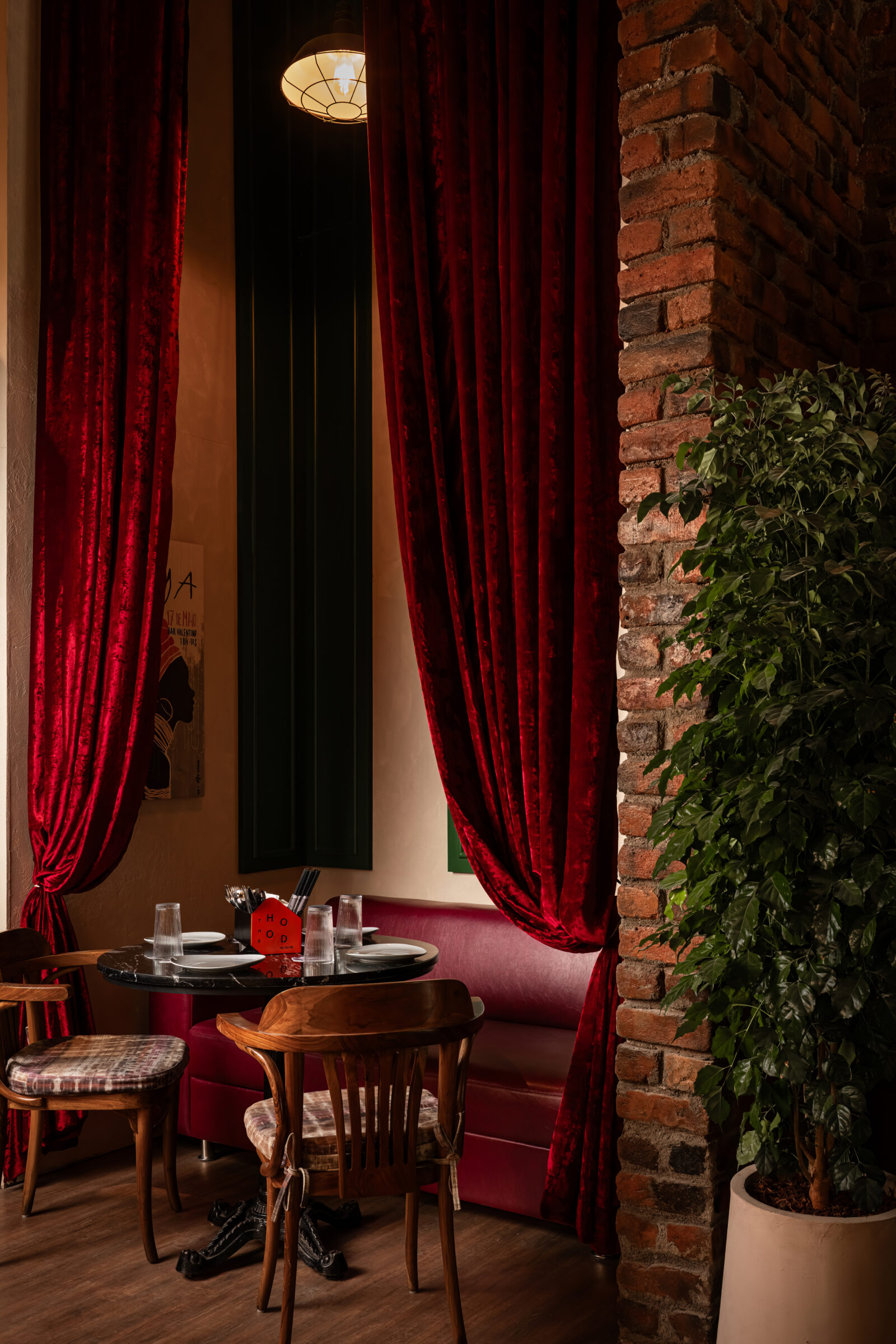
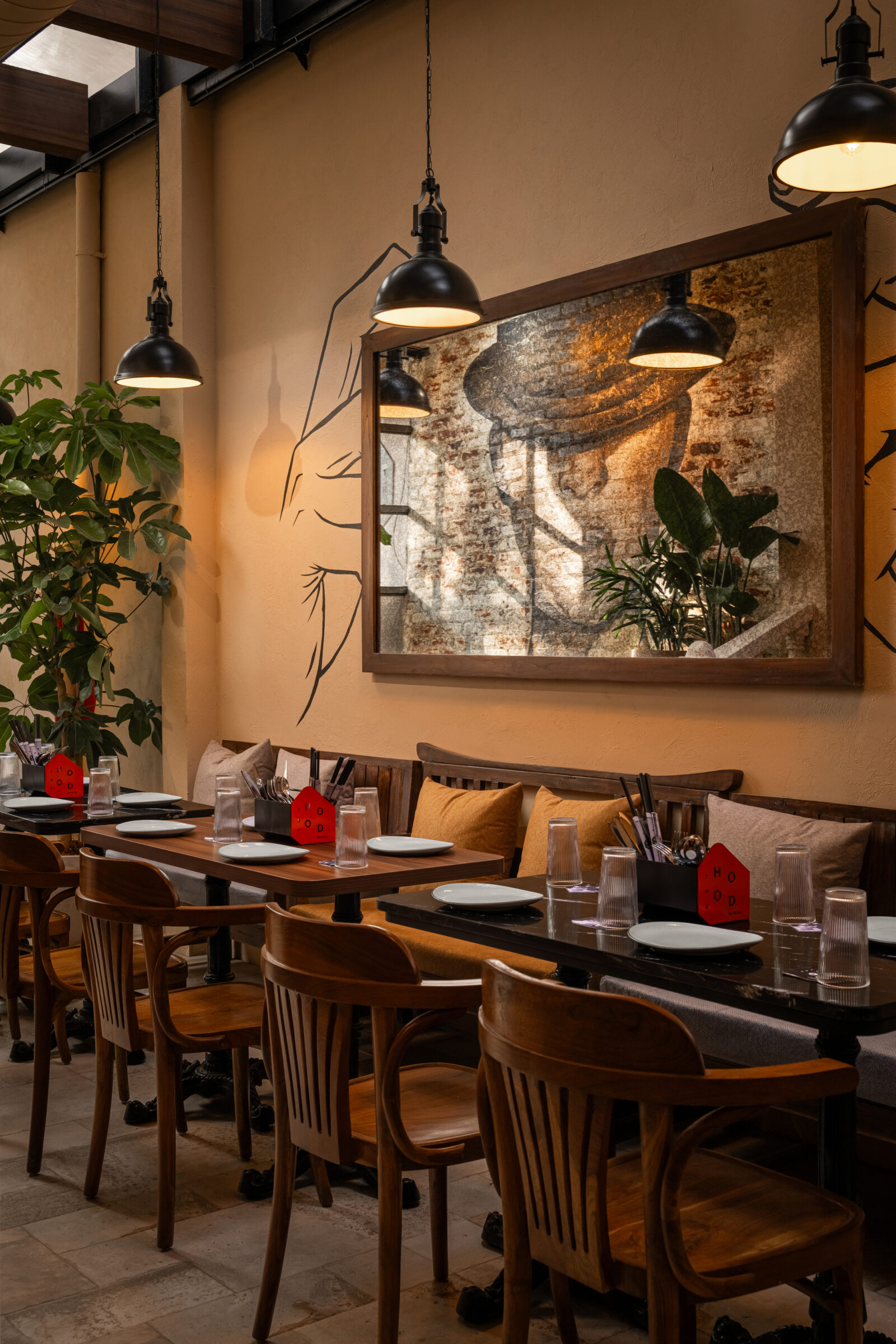
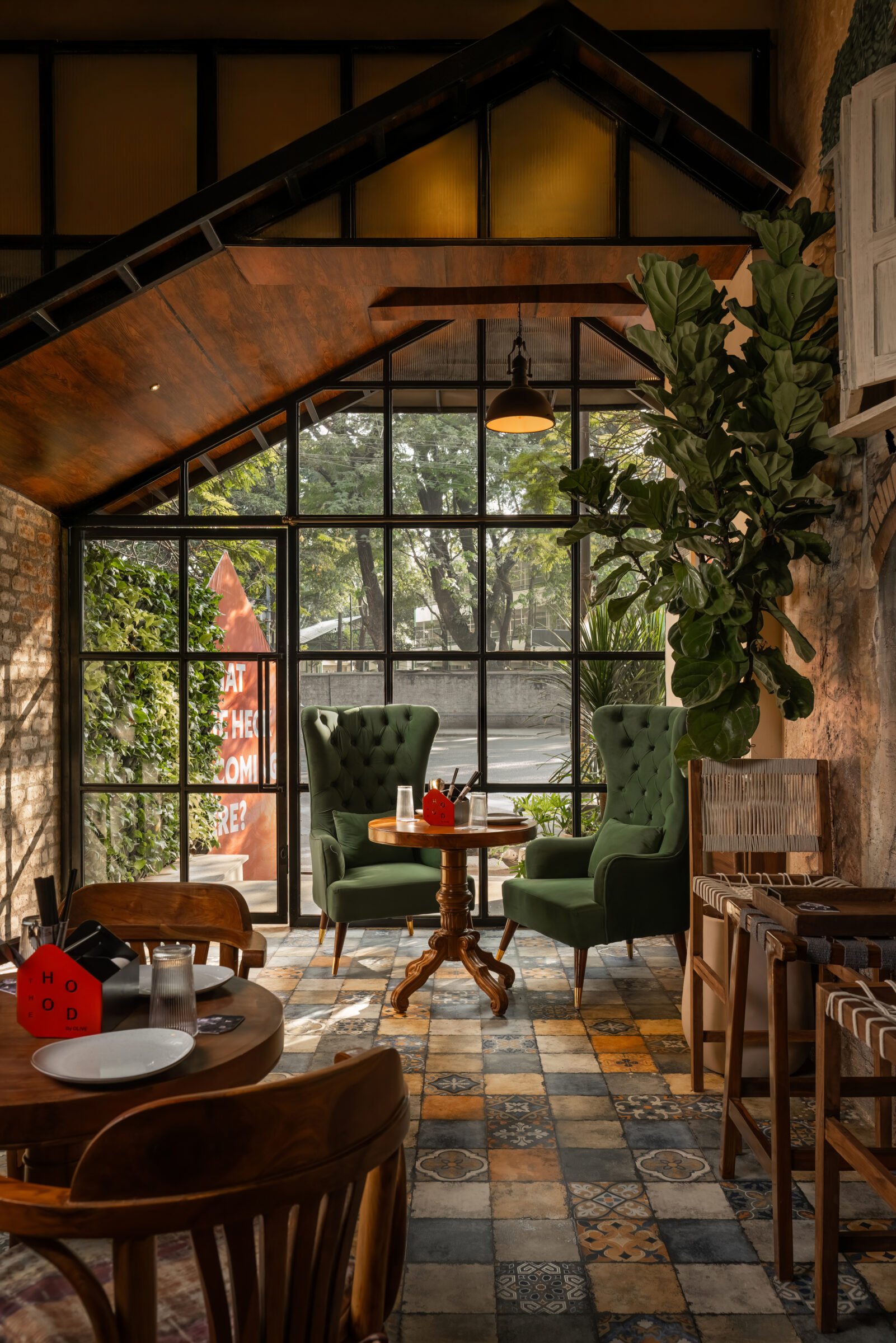
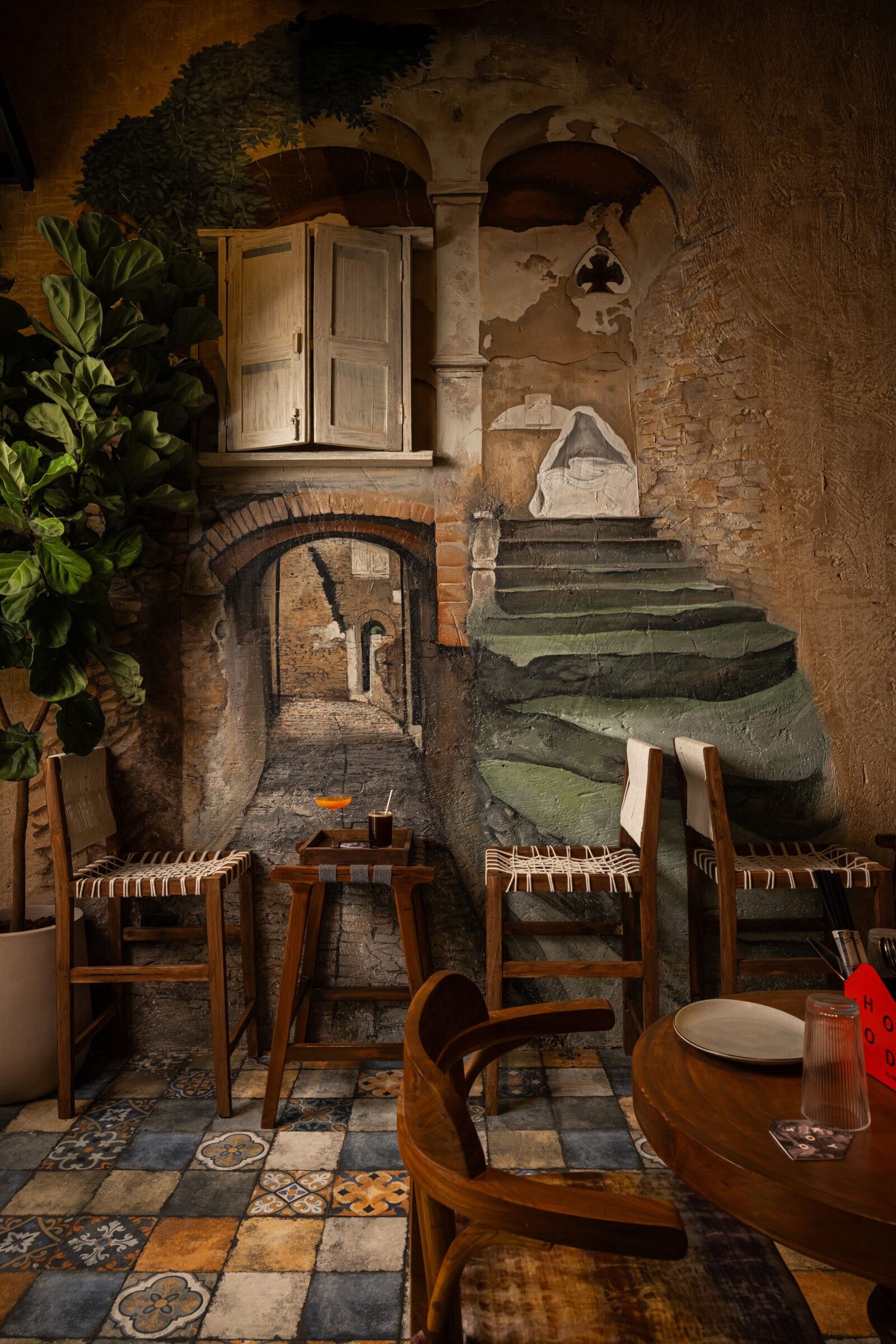
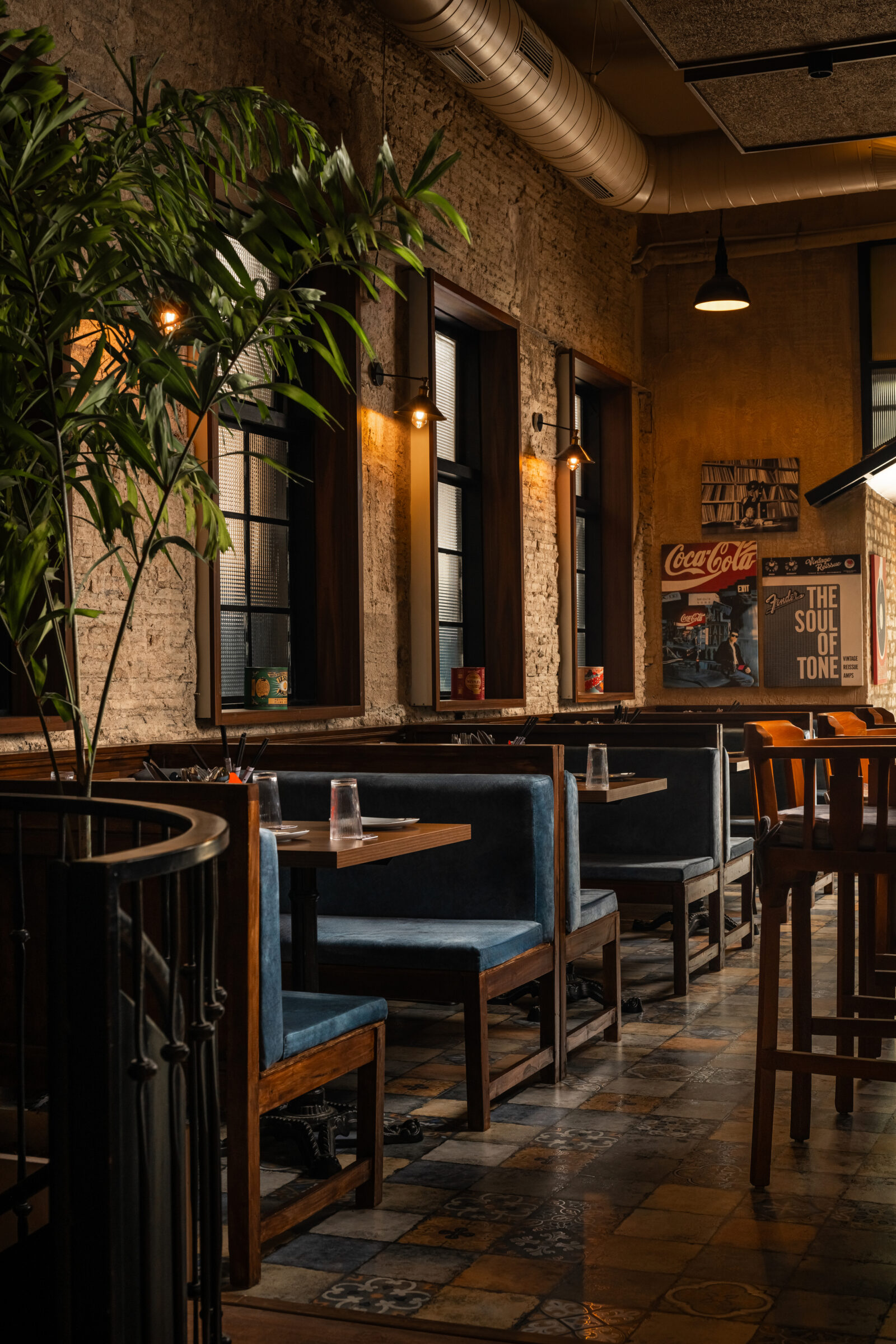
Designed by Sabina Singh, Design Director, the Olive Group of Restaurants, the space begins with a simple idea: the comfort of walking into a neighbourhood bar anywhere in the world and feeling instantly at ease. The intention was not to recreate a specific city but to gather the textures, corners and small familiarities that make neighbourhood spaces feel lived in, informal and quietly warm. The layout brings together settings that feel universal. A central bar acts as the social heart. Softly curtained nooks hold quieter conversations. A weathered book library, scattered records and a piano built into the counter add touches of personality that suggest the space has been shaped over time. An indoor courtyard with step seating, plants and floor cushions recalls verandas, backyard gatherings and Mediterranean courtyards, blending global memory with Bengaluru’s easy openness.
The mood draws gently from old-world bars: warm light, deep-toned textures and materials that carry a hint of history without slipping into theme. Worn books, mismatched curios, vintage posters and softened upholstery give the room its neighbourly ease. The palette stays grounded in the city with natural tiles, cement finishes, warm woods, rust and soot tones and patterned glass lamps that cast a nostalgic glow. Craft anchors the story. Local artisans shaped tiles, woodwork, lamps, shelving and upholstery, giving The Hood the feel of a place built by the hands of the neighbourhood it now belongs to. For over two decades, the Olive Group has shaped India’s craft-driven dining culture with spaces built on precision, curiosity, and care. With The Hood, the group turns its gaze outward, bringing the world’s neighbourhoods to Bengaluru while keeping the quiet authenticity that has long anchored its work.
Because wherever you go, every great story begins in a hood.
About The Hood:
The Hood is the latest venture from the Olive Group, the creative force behind iconic hospitality brands such as Olive Beach, SodaBottleOpenerWala, The Fatty Bao, and Monkey Bar. Designed as an all-day bar and dining space, The Hood is inspired by the vibrant spirit of the global neighbourhood, the kind of place where guests feel an instant sense of belonging from the moment they walk in.
At its core, The Hood is built for today’s culturally fluid and socially curious generation. It prioritizes community, connection, and “casual cool” over pretentious luxury, offering a welcoming environment where everyone feels at home.