
Ravi Somani, Qoot Foods
India’s food manufacturing and export sector is growing quickly. More companies are entering global supply chains, retailers are sourcing from Indian vendors, and international buyers are exploring new private label and contract manufacturing partners. But one part of the industry is becoming more important than anything else: food safety. Standards that were once treated as optional checkboxes are turning into the first criteria for trade and partnerships.
FSMS (Food Safety Management System) and FDA compliance are emerging as the strongest differentiators for Indian exporters. These certifications do more than prove that a factory is clean or follows procedures. They show that a company can maintain consistency, manage risk and document every step of production. For international partners, this shifts food safety from a promise into a measurable system.
Food Safety as a Trade Requirement
For a long time, food safety was viewed as an internal responsibility of manufacturers. Exporting was about cost, production volume and demand. This thinking is changing. Today, food safety defines where a company can sell and whom it can supply to. Import rules have become stricter, especially in markets where governments regulate public health closely. A single violation can lead to recalls and increased scrutiny, so international buyers are careful about the factories they select.
There is also a widespread shift in consumer habits. Packaged food is under heavier scrutiny for ingredients, hygiene and allergens. Buyers want transparency about what goes into a product. Certifications provide that validation. They are no longer just about ticking off a compliance checklist. They shape the credibility of an entire business.
The Role of FSMS and FDA in Global Acceptance
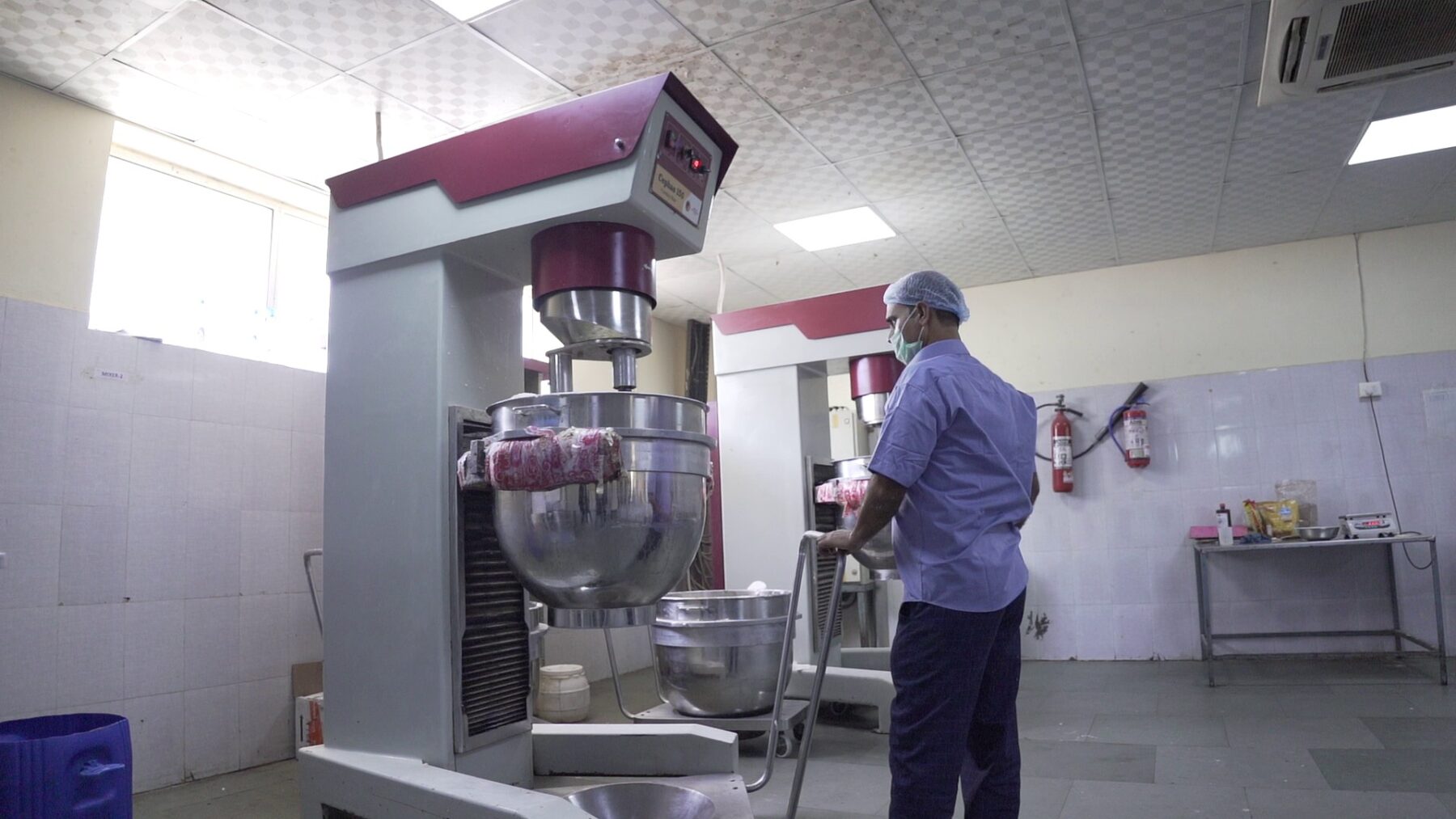
FSMS and FDA compliance are widely accepted benchmarks across global markets. These systems demand more than sporadic quality checks. They require companies to standardize every stage of production: sourcing, handling of raw materials, processing, packaging and safety controls. They are built on documentation, monitoring and accountability.
This matters because international retailers and distributors prefer working with suppliers that already meet these requirements. It reduces risk for them. It also speeds up business agreements and helps manufacturers move into new markets more comfortably. For Indian companies that want to export, these certifications often become the foundation of their business model.
Why Non-Compliance Will Mean Limited Growth
As India continues to increase its exports, companies without strong food safety systems will gradually face limitations. Export rules are becoming stricter in different countries. Retailers want proof of safety, not just pricing advantages. Governments are establishing detailed regulations for imported food products. This affects manufacturers that rely on traditional production models or do not plan for global standards.
Food safety certification is becoming a practical necessity for accessing new markets. It establishes transparency in operations. It builds confidence in supply chains. It becomes a long-term capability rather than a short-term marketing feature. Over time, certification will separate companies that are ready for global business from those that depend on domestic demand alone.
Building Trust in International Supply Chains
Importing food is a risk if the source is unknown or the manufacturing process is unclear. FSMS and FDA compliance help reduce that uncertainty. They give international partners clear information about how food is made, how the facility is maintained and how hygiene is controlled.
Once a manufacturer meets global food safety criteria, it signals reliability. Buyers are more open to partnerships. It becomes easier to enter new markets and retail distribution networks. This strengthens India’s position as a dependable supplier rather than just a low-cost producer. Trust grows through consistency, not claims, and certifications are a reliable way to demonstrate that consistency.
The Impact on Product Development
One of the overlooked advantages of stronger food safety systems is how they change product development. When factories invest in hygiene, ingredient control and process management, product quality improves. Manufacturers are able to work with cleaner ingredients, reduce additives and extend shelf life responsibly.
This has become particularly important in segments like ready-to-eat food, snacks and health-focused packaged items. Companies see an opportunity to develop products that match global expectations in both safety and nutrition. Certification systems are not only about compliance. They also encourage better formulation, packaging and labeling practices.
Looking Ahead
The future will bring tighter regulations, more inspection and a higher focus on traceability. Export markets will expect clarity about sourcing and manufacturing. FSMS and FDA compliance will serve as industry-level enablers for Indian manufacturers. Companies that adopt these systems early will find it easier to scale across borders. They will have fewer operational hurdles and better market access.
India’s role in global food exports will grow, and food safety will play a central role in that progress. The companies that treat it as a strategic business investment, not just a regulatory requirement, will be the ones positioned to participate in international growth.
ABOUT THE AUTHOR
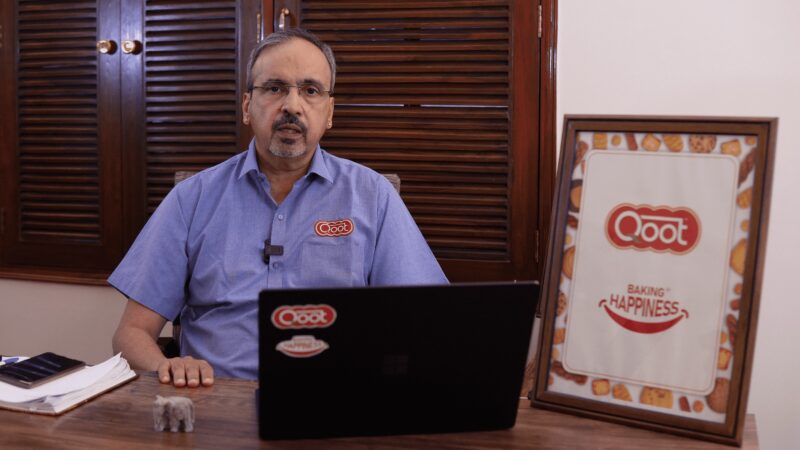
Ravi Somani has diversified business interest in Food items, Export of machinery, handicrafts,Health Care, etc. The Somani Group has QOOT, TITOZ, QOOT, MASTI as registered Trademarks for its Food Products.