
North: The Patience of Mountain Cooking
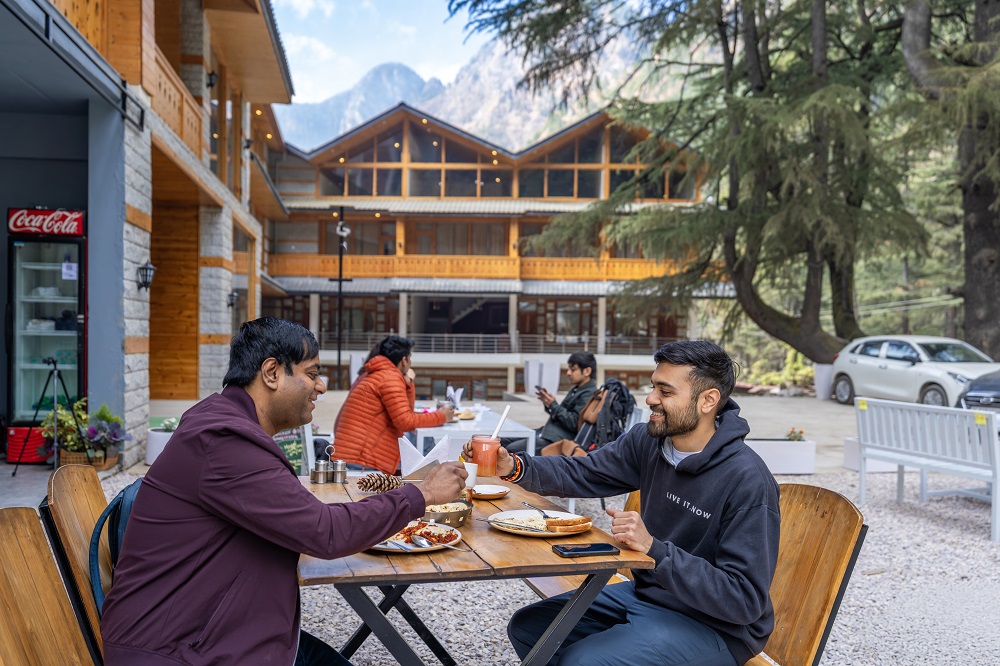
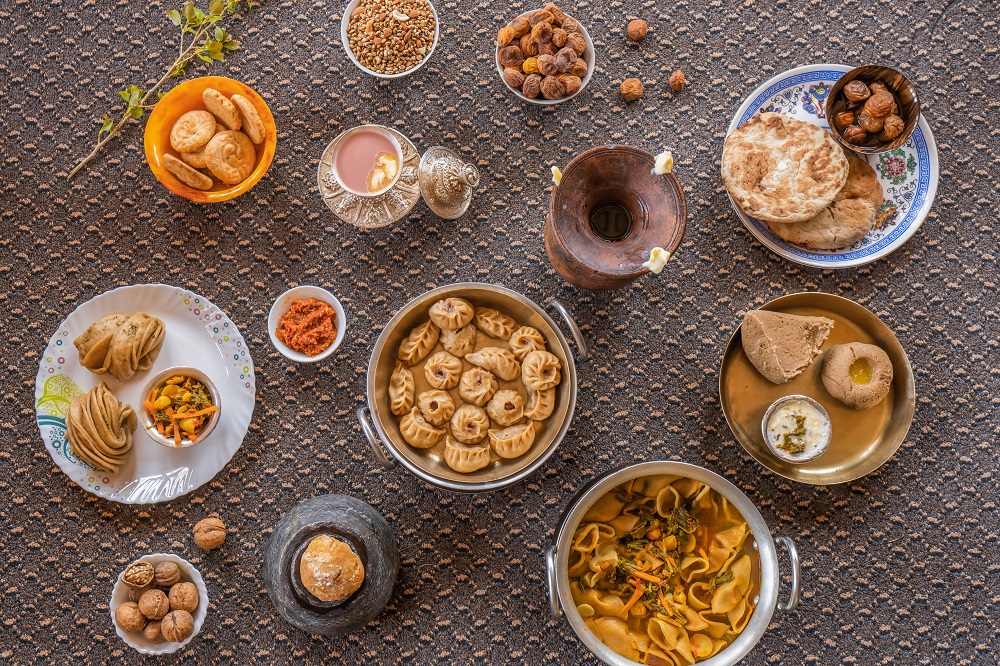
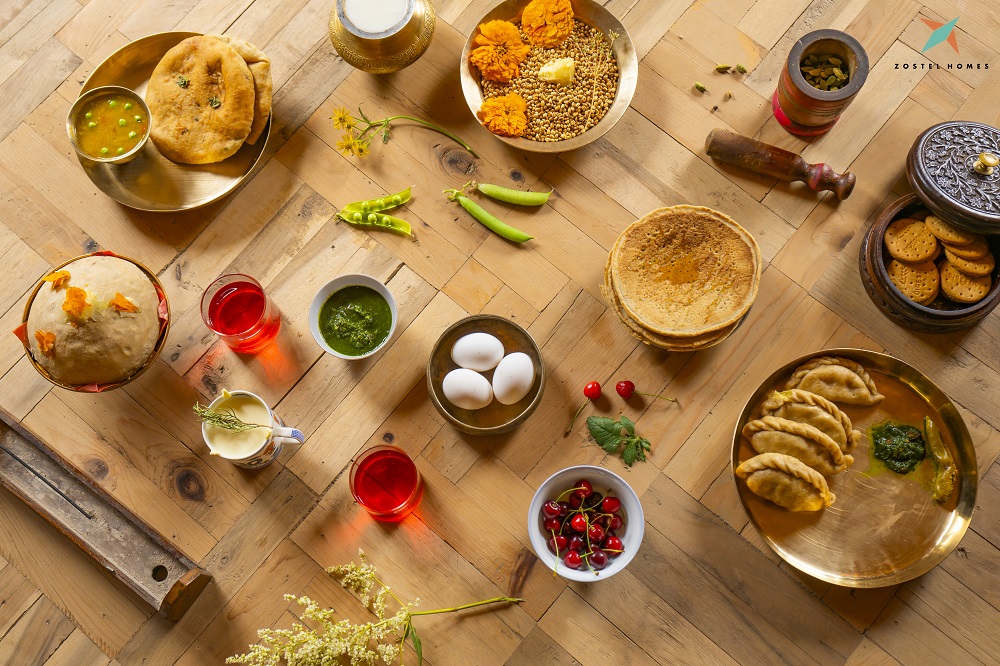
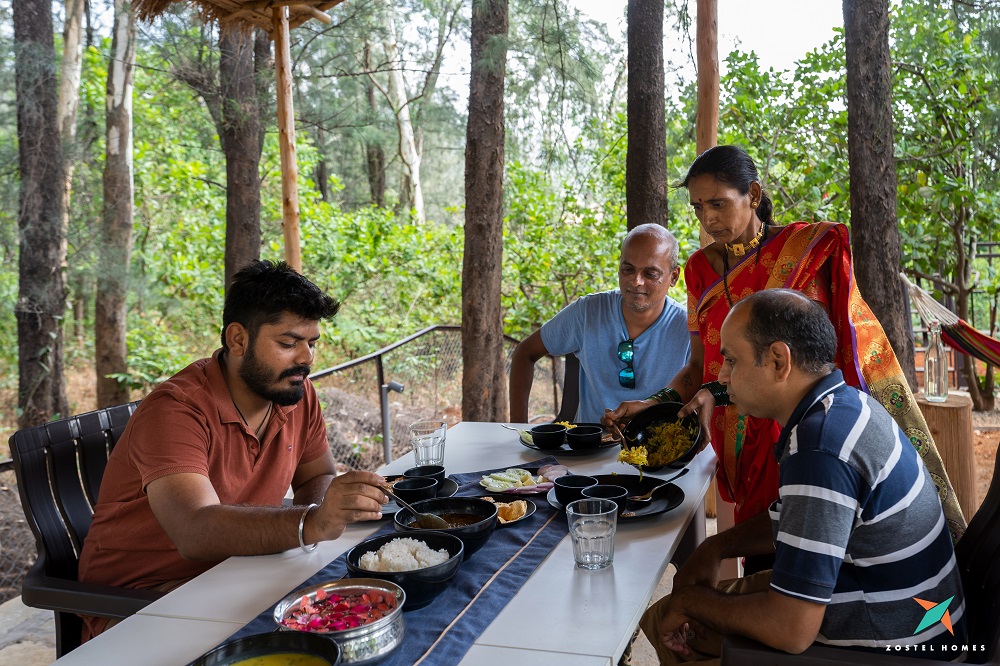
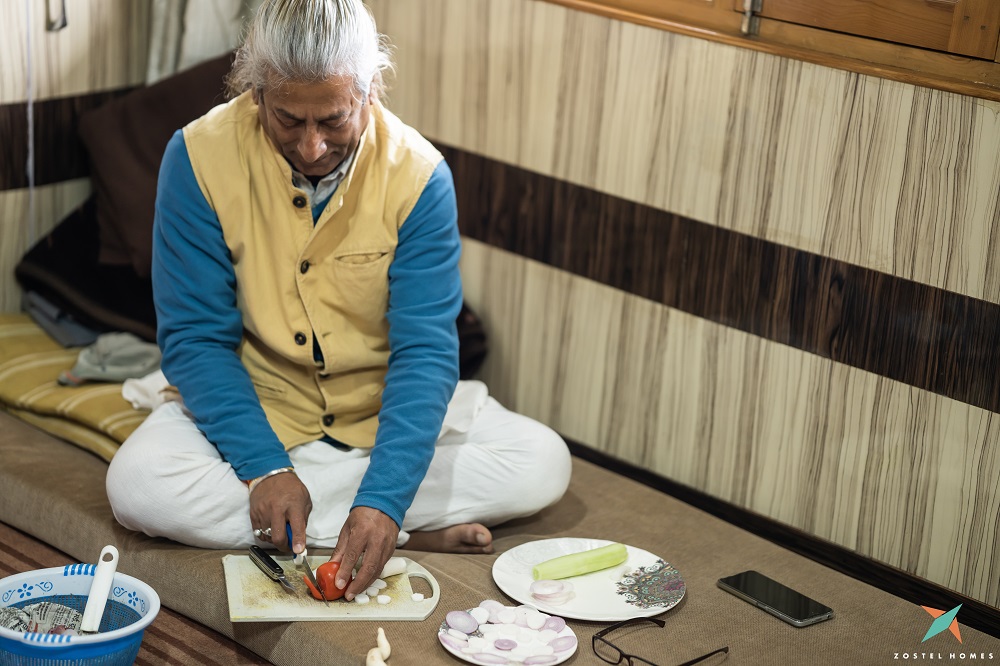
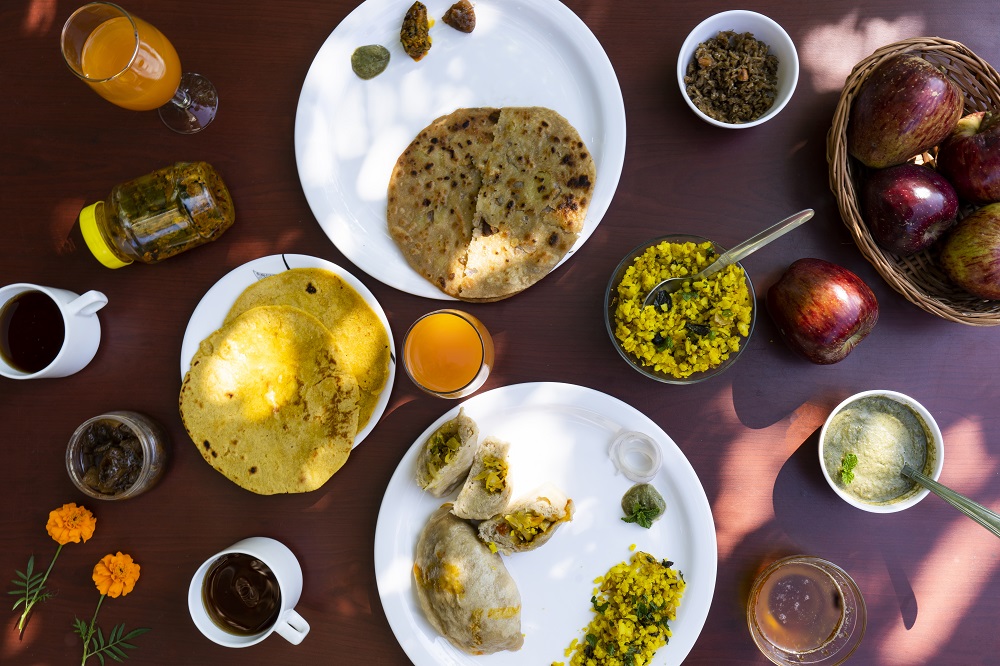
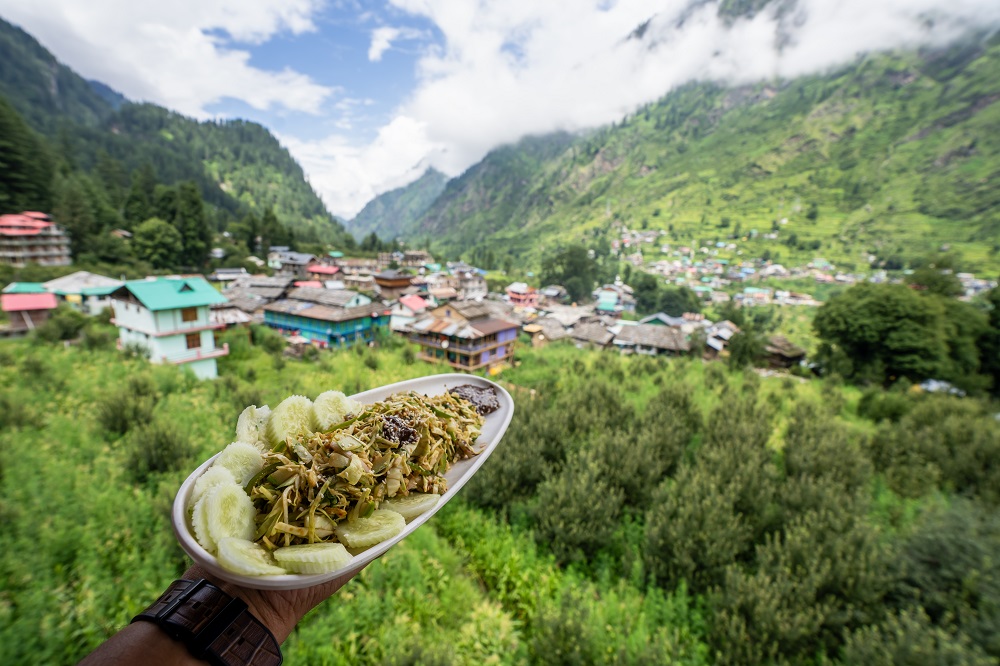
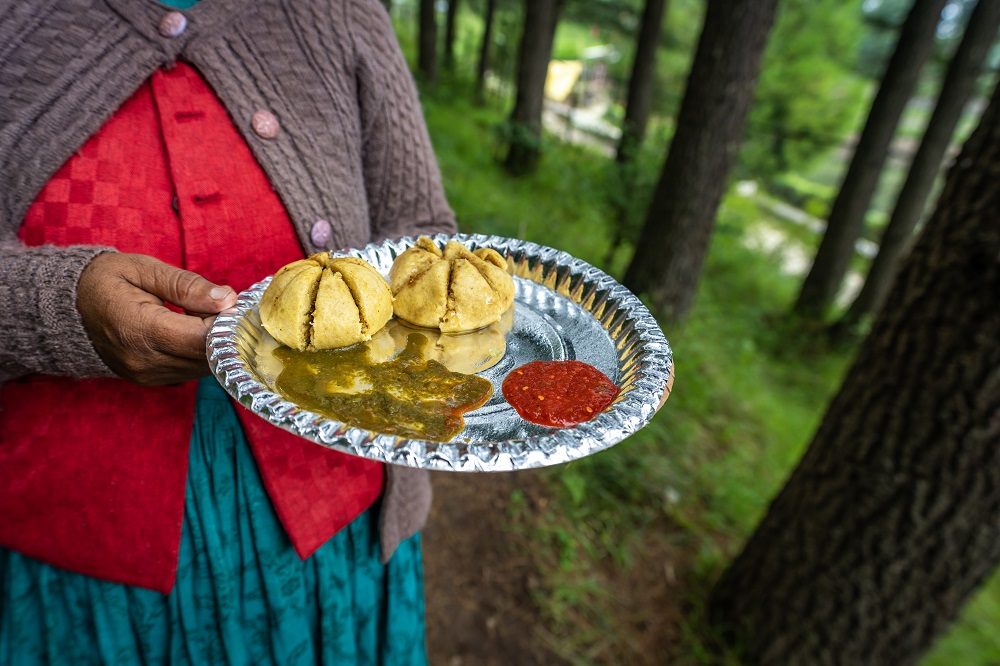
In Himachal Pradesh, food is an act of endurance. The winters are long, the roads are unreliable, and the kitchen is one of the few places where warmth is guaranteed. Siddu – a dense, wheat-flour bread stuffed with local fillings and steamed slowly is less a dish than a philosophy. It doesn’t rush. It can’t. In villages like Rashil, tucked into the folds of the hills above the Lahaul Valley, families still prepare it the same way: over a wood fire, with ghee from their own cows, served with buttermilk that has a tartness no factory could replicate.Alongside it, the rhythm of the kitchen quietly carries forward another tradition – ragi (finger millet) transformed into childa, a thin, rustic pancake that predates today’s fascination with “ancient grains” by centuries.
Staying at a property like Zostel Homes Rashil, where meals come out of the host family’s kitchen rather than a commercial one, makes it easy to understand why slow food isn’t a trend up here. It never stopped being the only option.
West: Spice as Personality
Maharashtrian cuisine is known for its bold, layered flavours, and Misal Pav is a perfect example combining sprouted lentils, fiery gravy, crunchy farsan, and soft pav into a dish that is both hearty and distinctive.Every region has its own heat level, its own ratio of kat to garnish, and locals will argue about whose version is definitive. In Sambhajinagar, the dish anchors the local food identity with an intensity that sits somewhere between breakfast and a challenge.
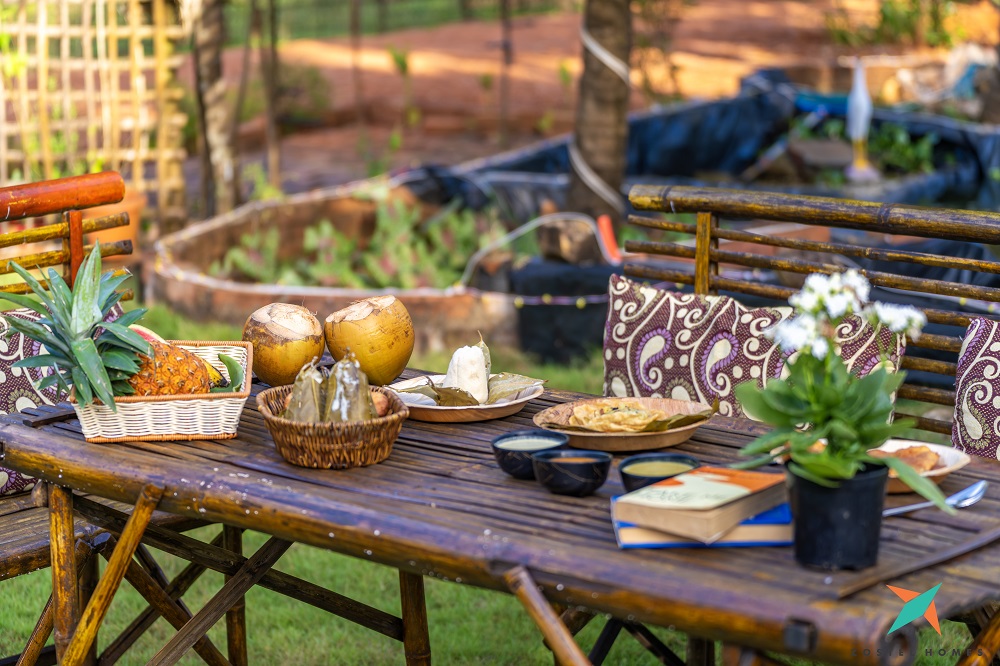
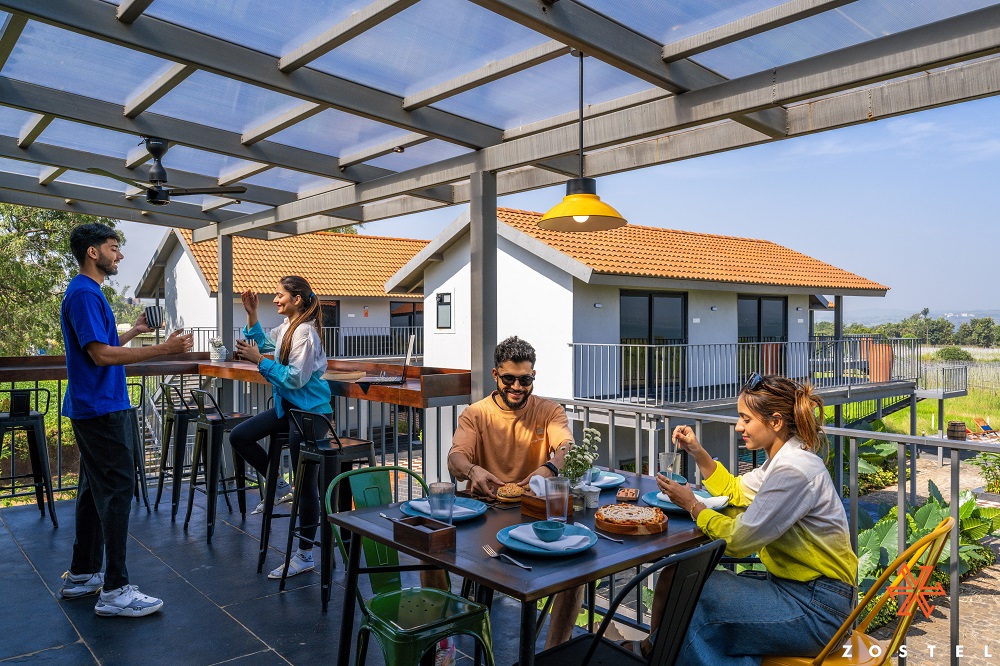
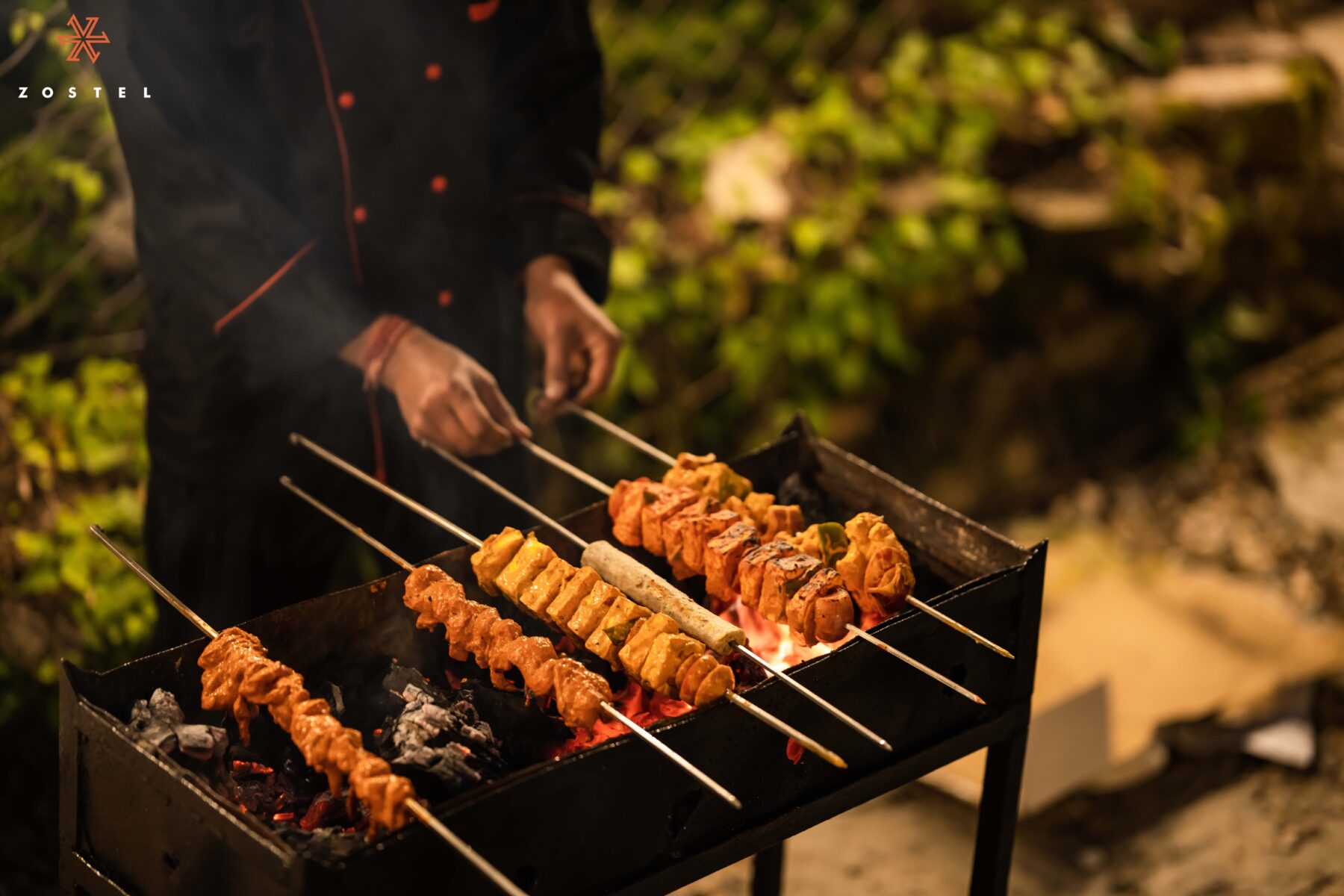
Further south, in the village of Kolad in the Konkan region, tribal kitchens continue to preserve age-old culinary traditions, rooted in seasonal rhythms and local ingredients. Come winter, the region’s most atmospheric dish takes over: Popti, a seasonal delicacy prepared over an open bonfire, where vegetables, chicken, or eggs are sealed in an earthen pot with aromatic Bhamburda leaves and left to slow-steam over the flames. The result is smoky, earthy, and entirely unreplicable outside its season.
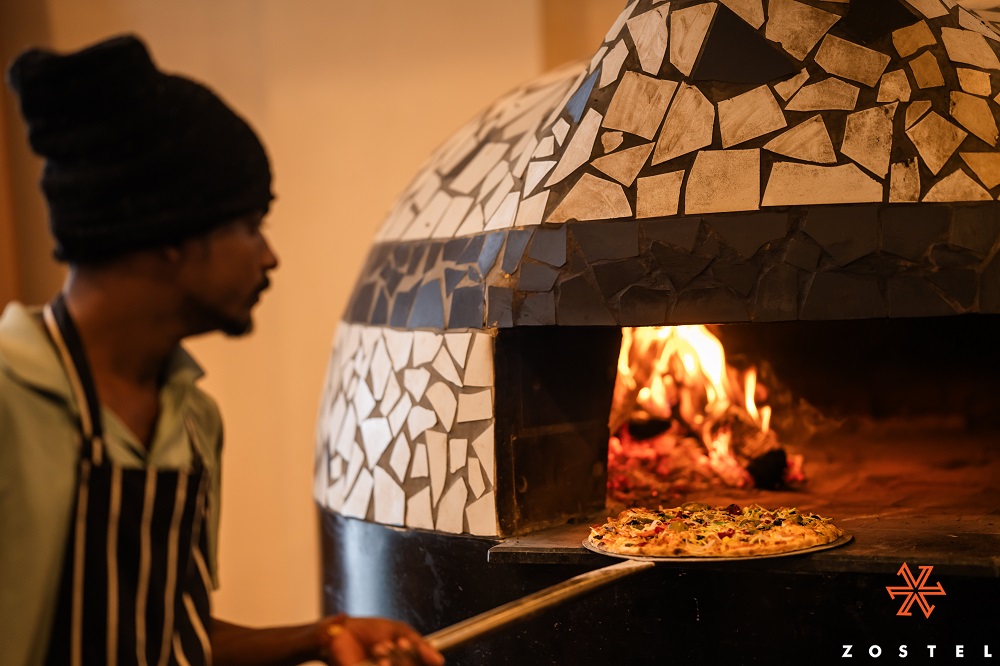
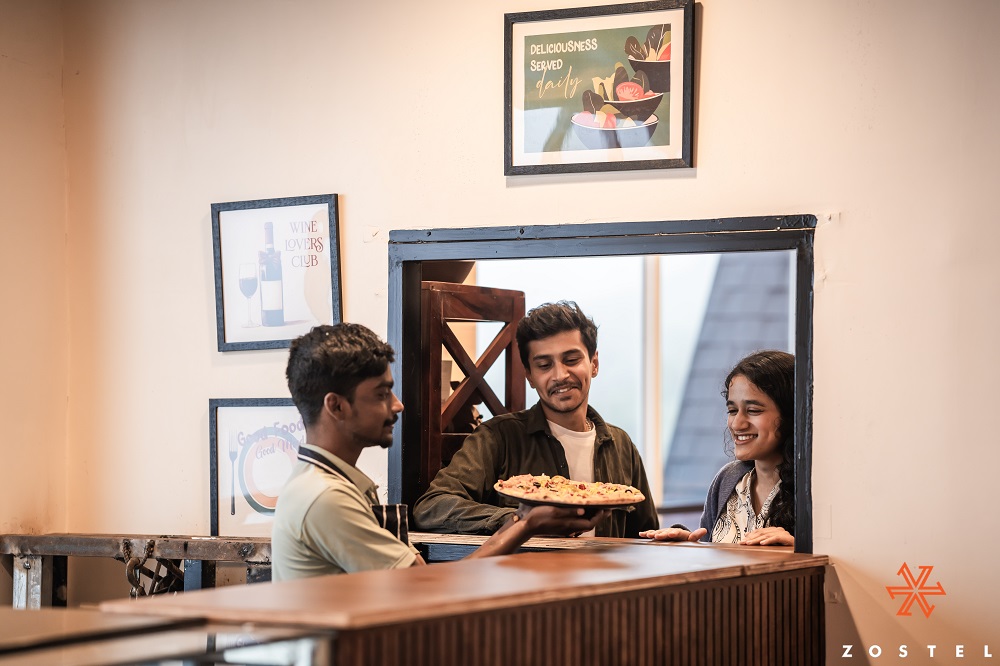
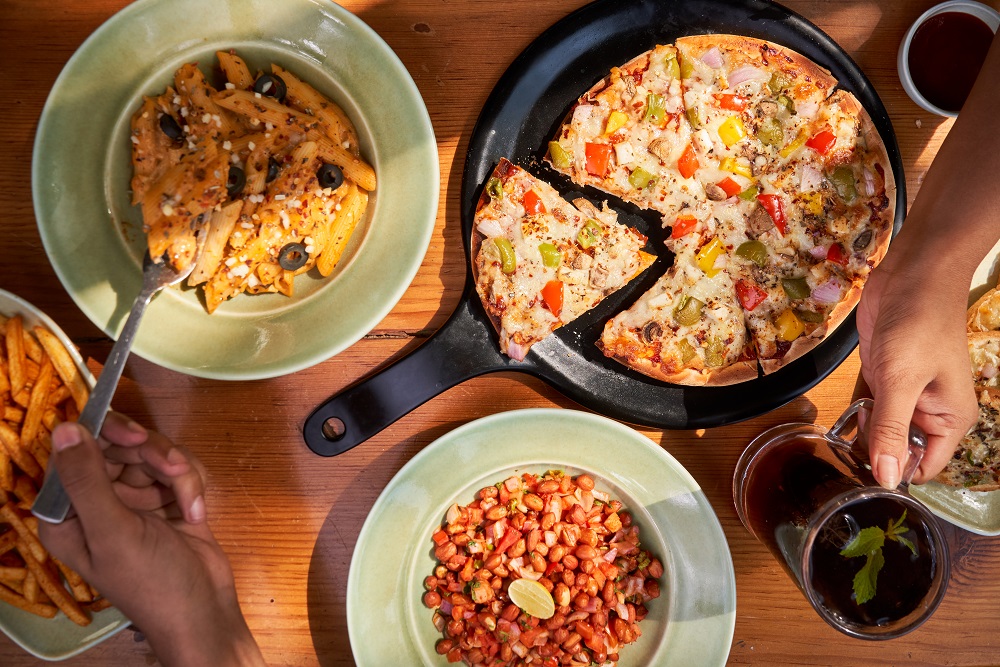
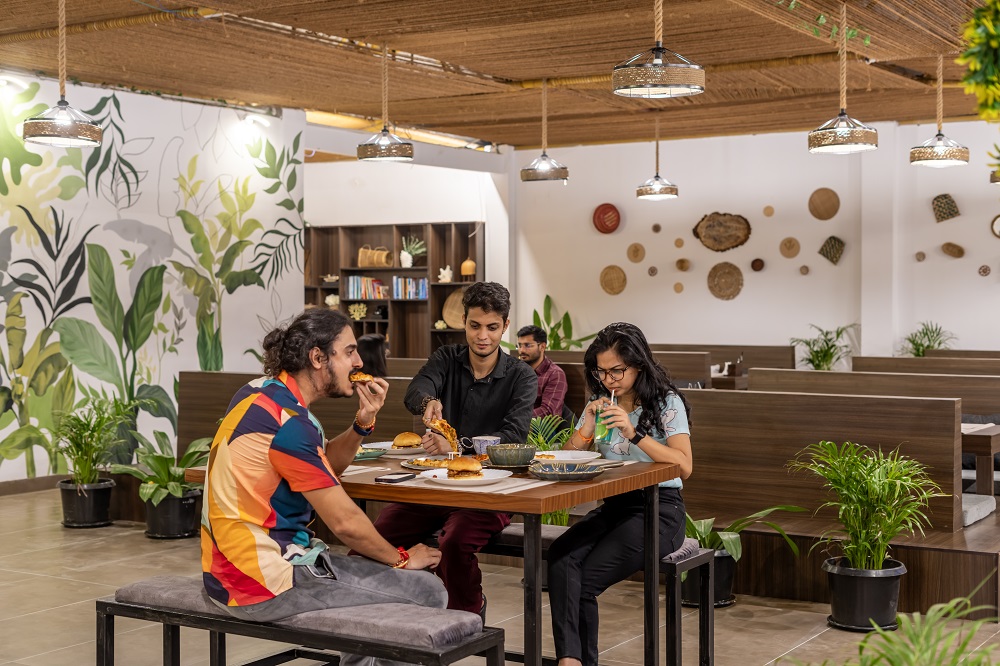
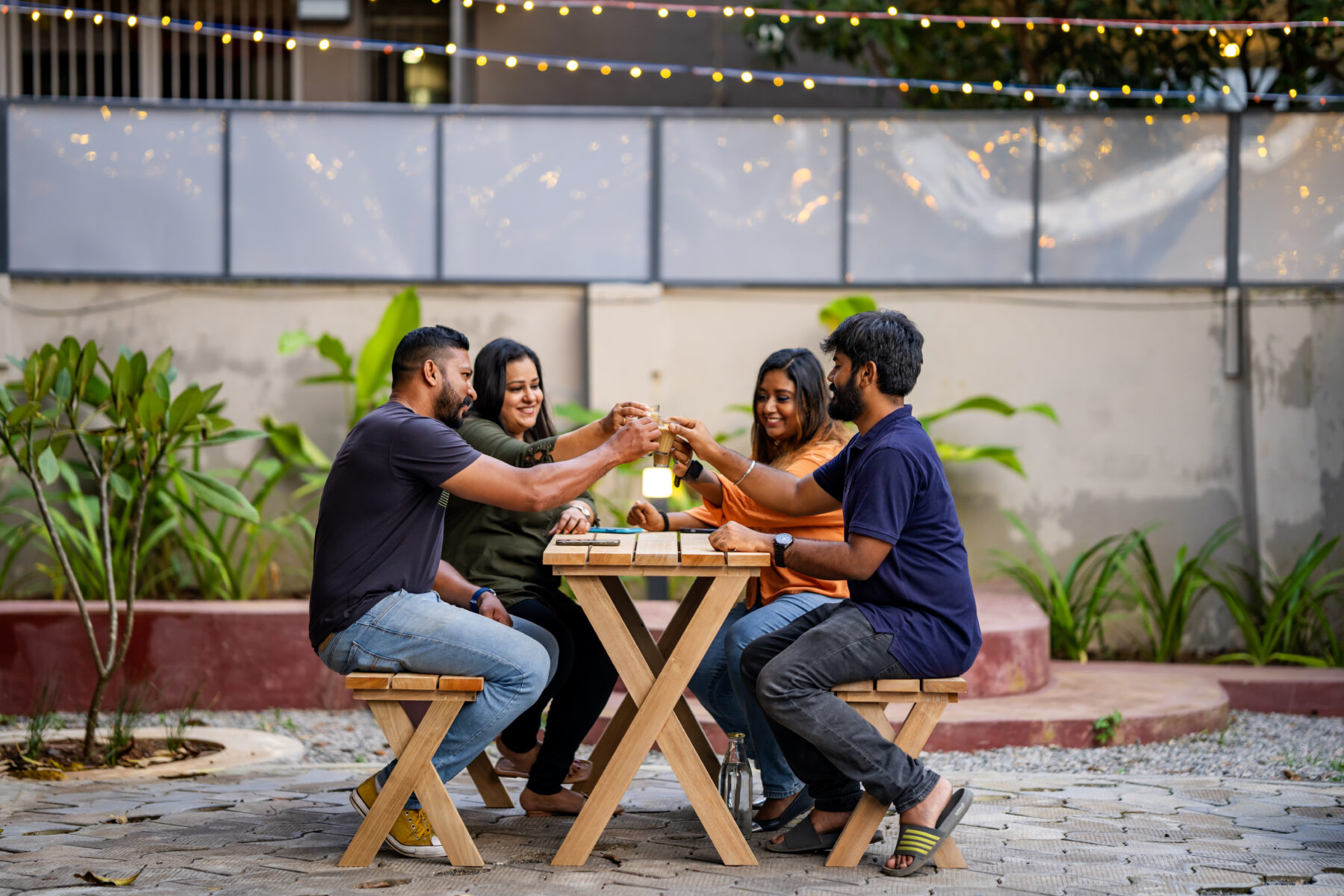
In Rajasthan’s heritage cities Udaipur, Jodhpur the cafe culture around properties like Zostel has created unexpected spaces where travellers and locals share tables, and the food is a blend of dal baati heritage and newer, more eclectic menus that reflect both the region’s royal past and its appetite for the contemporary.
South: The Coast on a Plate
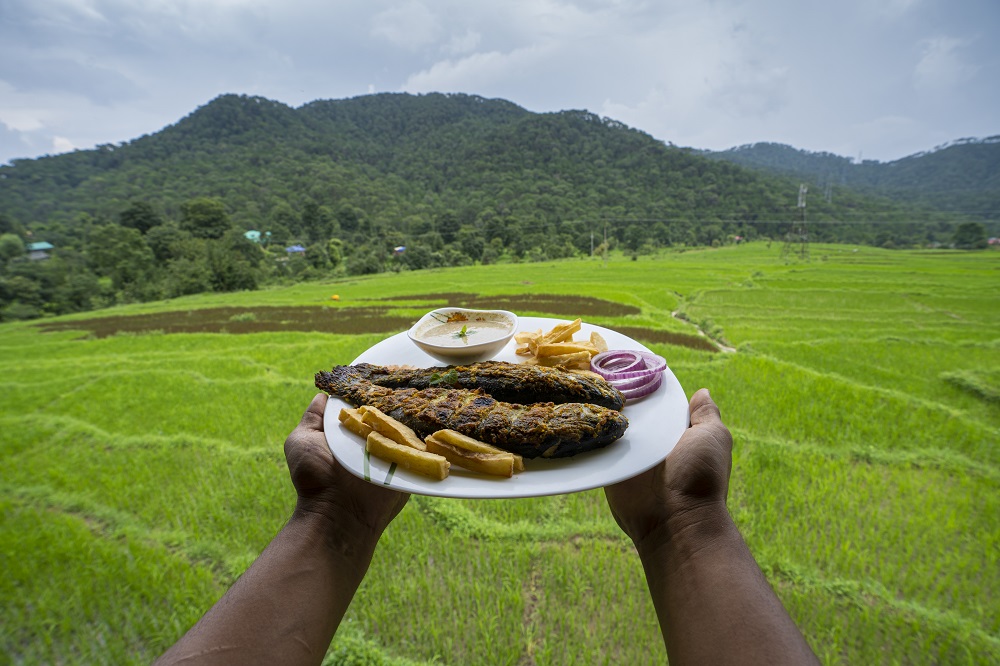
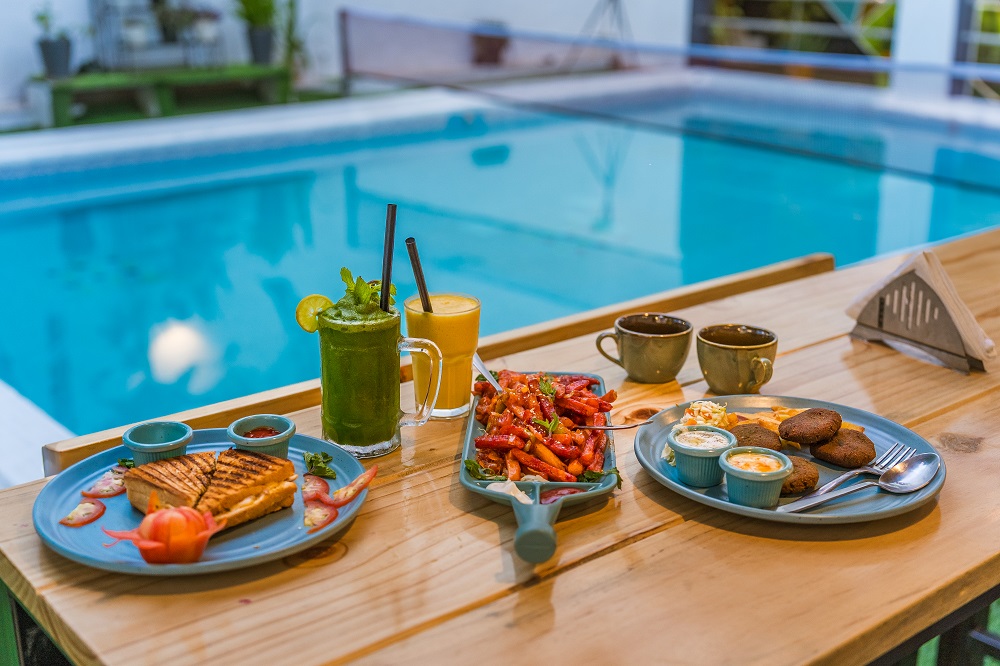
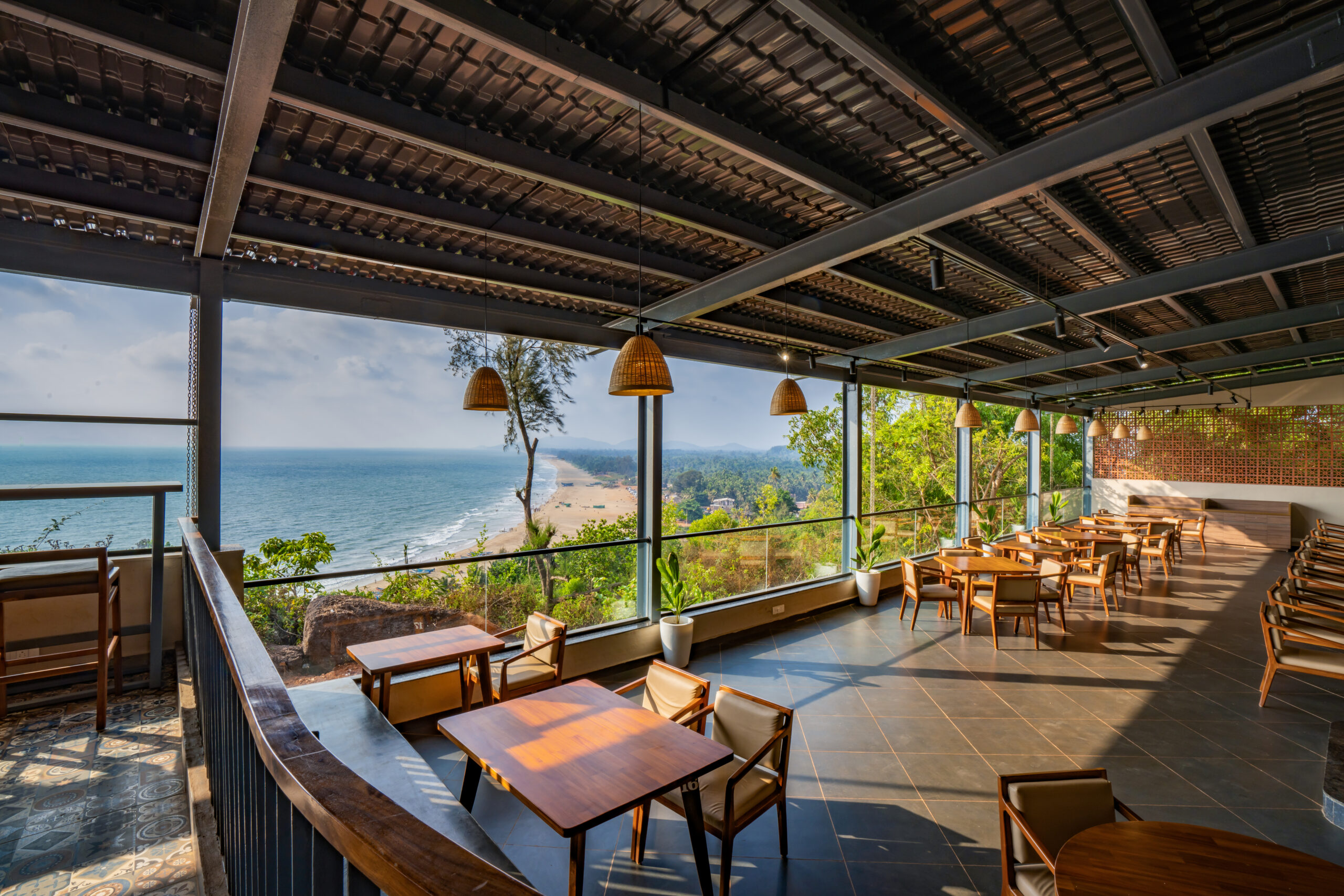
The Karnataka coast does not cook lightly. At Gokarna, a small temple town that also happens to have one of the more quietly beautiful shorelines in the country , the local cuisine is built around seafood treated with the confidence of people who have been cooking it for centuries. Prawns Ghee Roast, its sauce darkened with ground spices and finished with a gloss of clarified butter, is the kind of dish that renders other food temporarily disappointing. Pomfret Tawa Fry, pressed onto a hot iron griddle with a paste of green chillies and coconut, is simpler but just as uncompromising.
Mantra Cafe at Zostel Gokarna has built a menu that takes these preparations seriously, offering the kind of coastal Karnataka cooking that rarely appears on hostel menus or, for that matter, on most restaurant menus outside the region. It is a useful reminder that some of India’s most interesting food exists in the places tourists pass through rather than stop at.
East: When Clean Is the Point
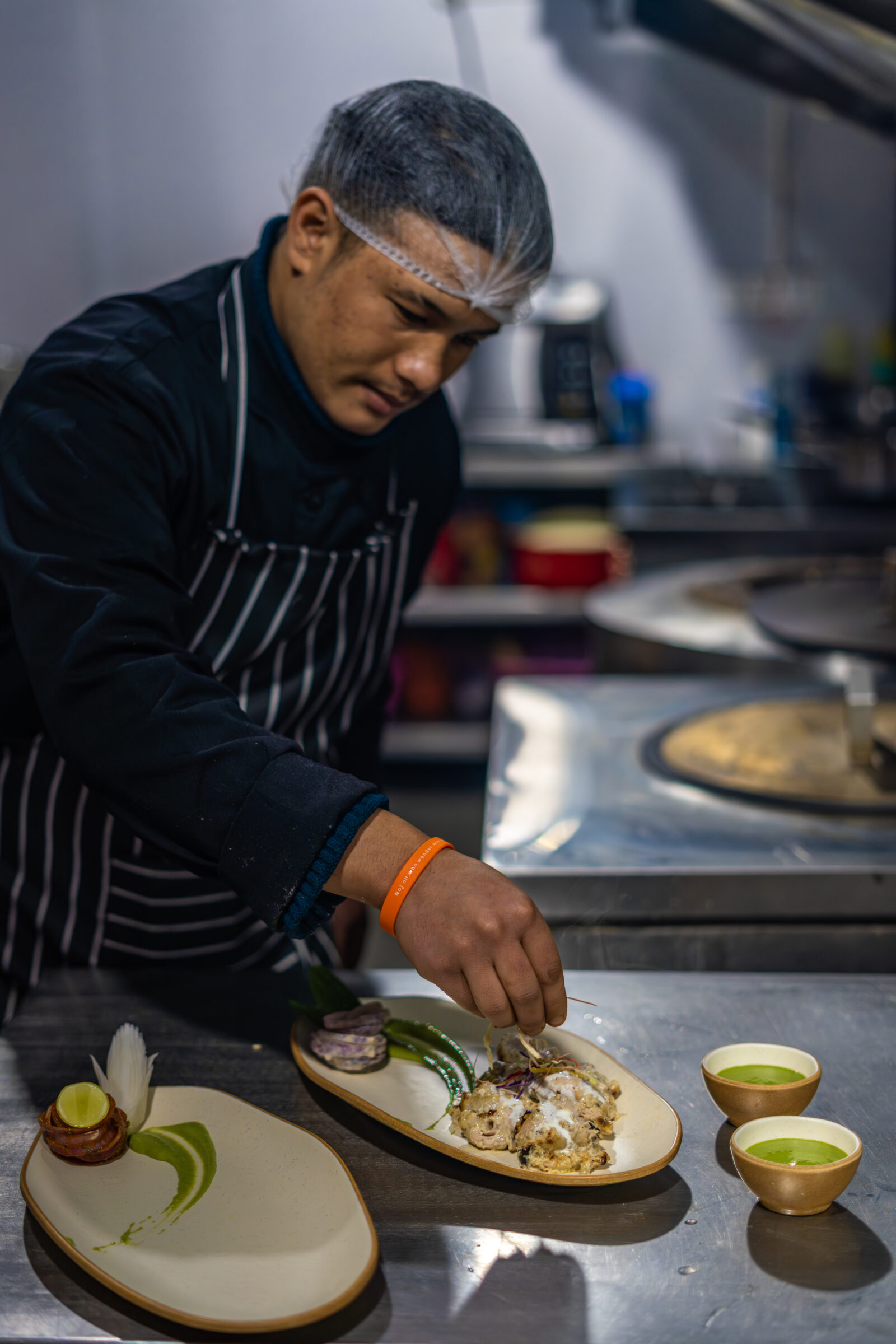
Sikkim was certified as India’s first fully organic state in 2016, and a decade on, the claim is still legible in the food. Thukpa – a noodle broth, warming and deep, arrives carrying the flavours of vegetables grown without chemical intervention, and the difference is not subtle. Phagshapa, pork slow-cooked with dried chillies and radish, has the clarity of a dish that doesn’t need to work hard because its ingredients are already doing everything required.
The food of Sikkim sits at the intersection of Nepali and Tibetan cooking traditions, and its restraint is deliberate. Minimal spice, seasonal produce, and a cooking philosophy that prioritises the ingredient over the technique. For travellers arriving from the richer, more complex cuisines of the south and west, it offers something that functions almost like a reset.
Eating in Sikkim is not the experience of discovering something new. It is the experience of recognising something honest.
India’s culinary map shifts every few hundred kilometres in language, in technique, in the heat of a chilli, in whether coconut or mustard oil carries the dish. The only reliable way to read it is slowly, on the ground, one meal at a time.