
Following the Flavours of Village Kitchens with SEWA’s Hum Sab EK Initiative
Writer Anil Mulchandani
Photos Darshit Purohit
Darshit Purohit (@kal_ho_na_ho_)
Co-travellers
- https://www.instagram.com/tastytrailsbygopi?igsh=aHV2MGU5anowMHFl&utm_source=qr
- https://www.instagram.com/kal_ho_na_ho_?igsh=dGN1bGR3YWYwZHh3
- https://www.instagram.com/jenu1410?igsh=MWFna2I5OGkyYWJpOQ==
- https://www.instagram.com/vraj.rao?igsh=Z3d3enNjYTQ1OWx5
For most travellers, Goa conjures up images of beach shacks, seafood restaurants, casinos and Portuguese-era churches. We went to Goa to visit forest villages, family farms, fishing communities and kitchens where recipes have been handed down through generations.
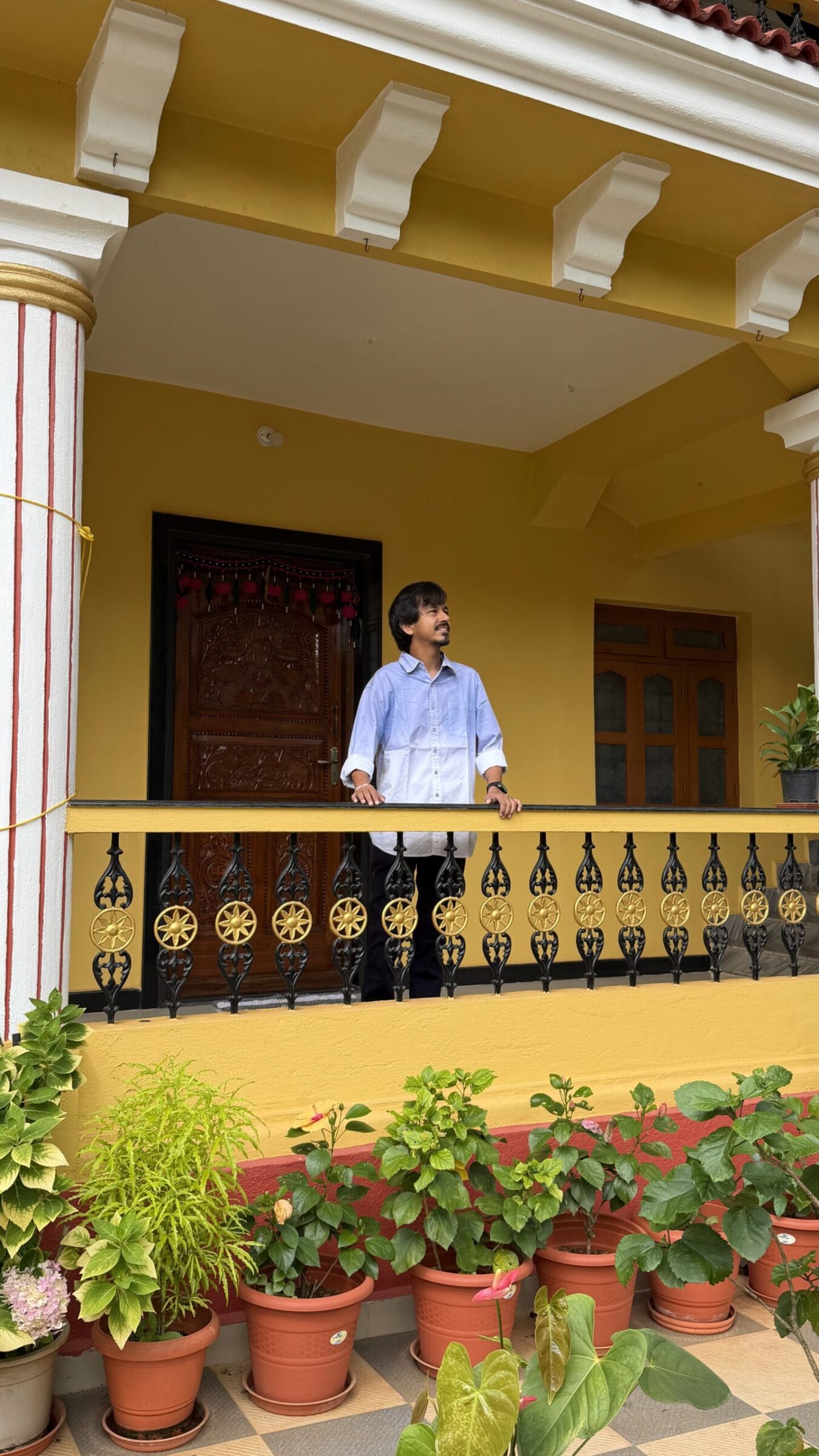
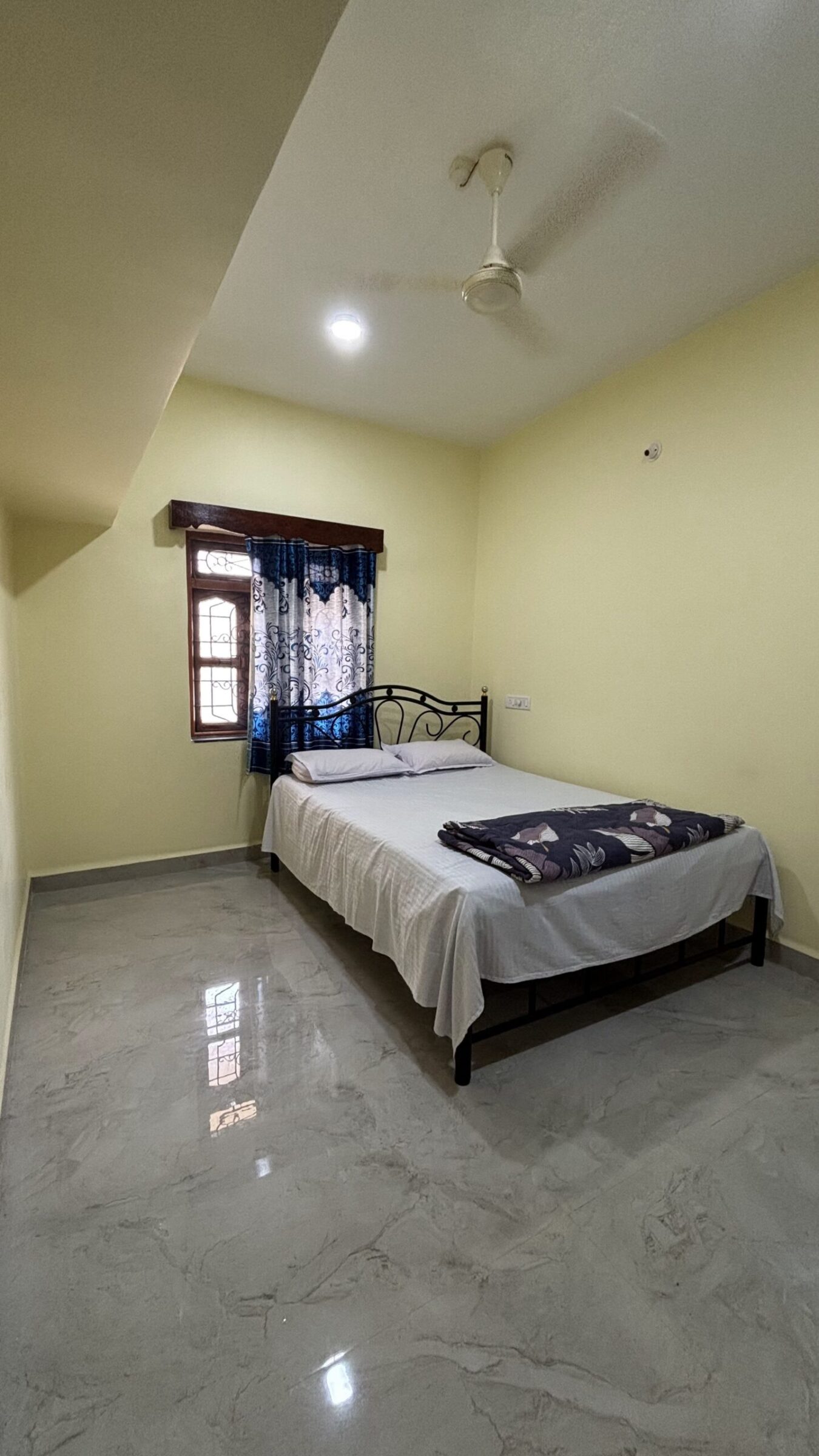
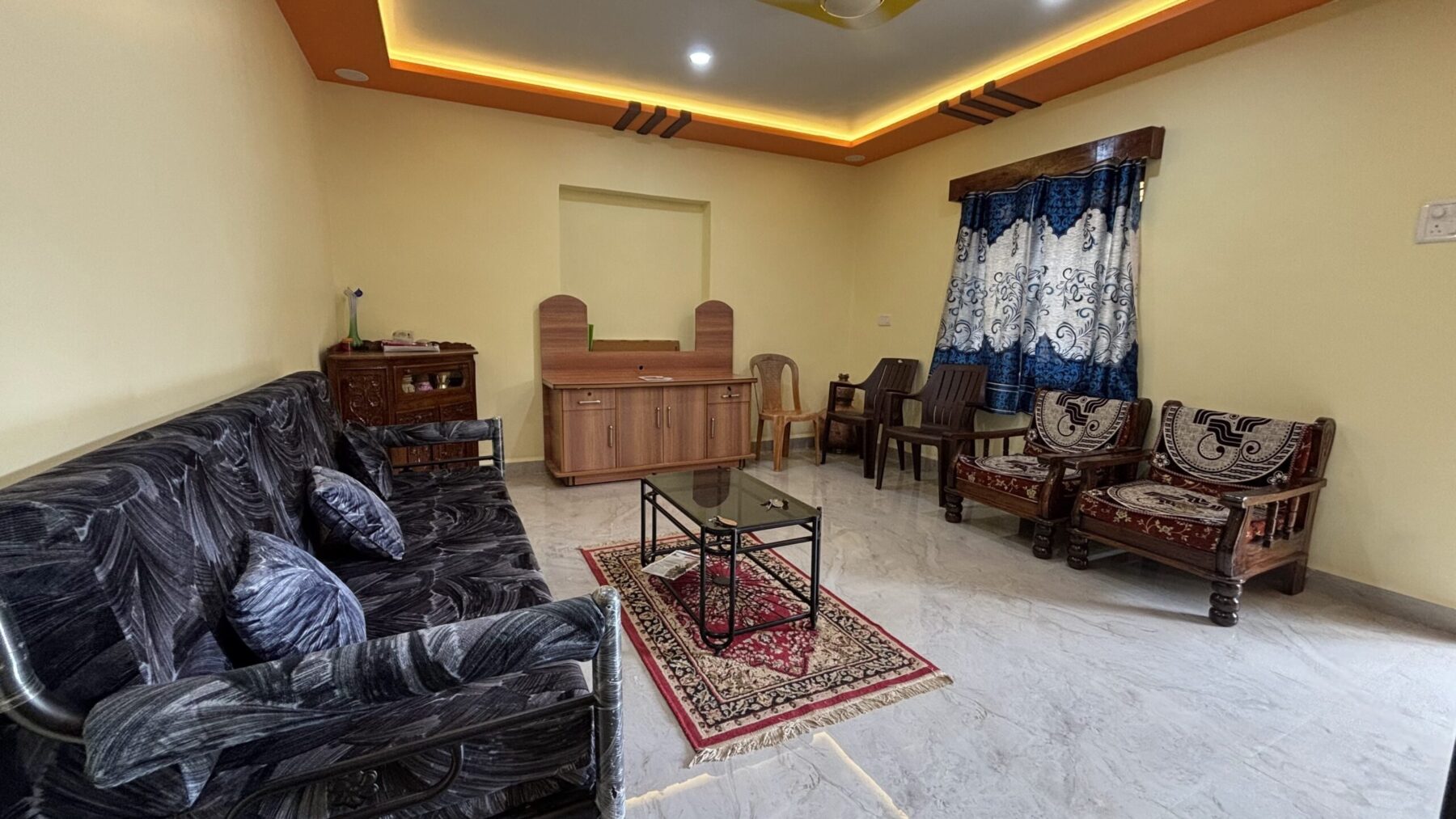
Hum Sab EK, a rural homestay initiative of SEWA (Self Employed Women’s Association) empowers women to convert part of their homes into guest accommodation, allowing them to earn an independent livelihood while presenting tourists with local traditions, cuisine, crafts and culture. The initiative is currently building a network of rural homestays across Gujarat, Goa and Ladakh, creating tourism experiences that benefit local communities directly.
For a food writer, the trail offered something even more fascinating—a chance to discover Goa through its ingredients.
A Kitchen Shaped by Nature
Unlike restaurant versions of Goan cuisine that often focus on vindaloo, xacuti and cafreal, village kitchens reveal a much broader culinary vocabulary. Their recipes change with the seasons, the forest, the farms and even the trees growing outside the house.
Kokum is one of Goa’s defining ingredients. The deep purple fruit lends a refreshing sourness to fish curries and vegetable dishes while colouring them a rich crimson. It also appears in cooling sherbets and the iconic sol kadhi served after meals.
No ingredient is more indispensable for Goans than coconut. Freshly grated coconut enriches vegetable curries, thick coconut milk softens the heat of spices, roasted coconut adds depth to masalas, while homemade coconut oil is used for cooking dishes.
Breadfruit was transformed into crisp bhajiyas and comforting curries.
Tender jackfruit, harvested before ripening, became a substantial vegetable dish whose texture rivals meat.
The pleasantly tart hog plum (ambade) found its way into rustic curries, while bilimbi, among the most acidic fruits grown in Goa, naturally soured seafood preparations and homemade pickles.
Seasonal raw mangoes is widely used, while starfruit is part of chutneys.
The vibrant red colour seen in many Goan dishes came from Byadgi chillies, prized more for their brilliant hue than intense heat.
Even colocasia, both its leaves and underground corms, featured prominently in village cooking, demonstrating how local communities have long embraced every edible part of the plant.
Each meal reminded us that authentic cuisine begins with geography.
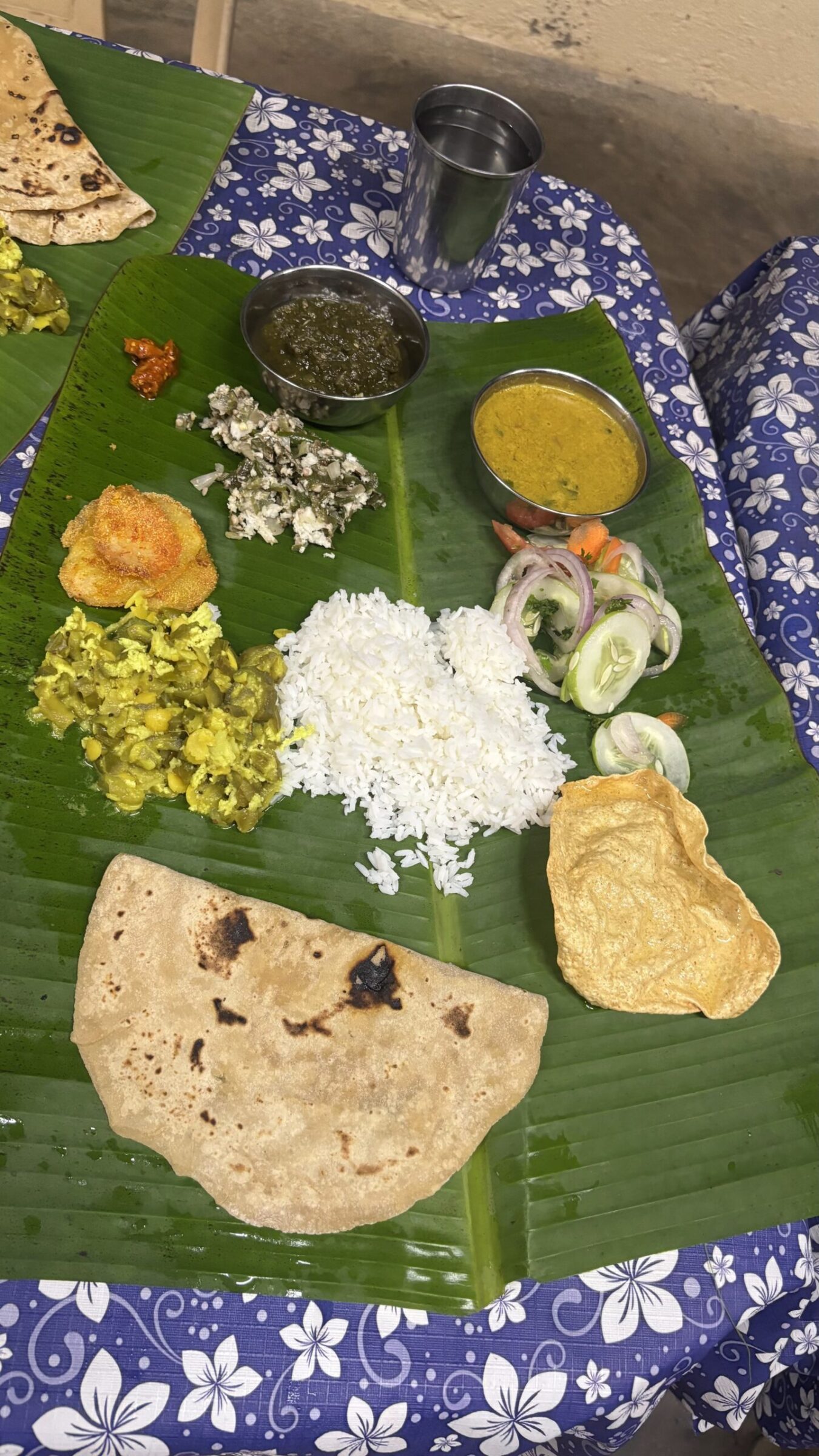
Beyond the famous pão delivered daily by bakers, we enjoyed the Chawalachi Bhakri prepared from rice flour and nutritious Nachni Bhakri made from finger millet.
These breads reflected Goa’s agricultural heritage just as much as its Portuguese influences.
The Journey Begins
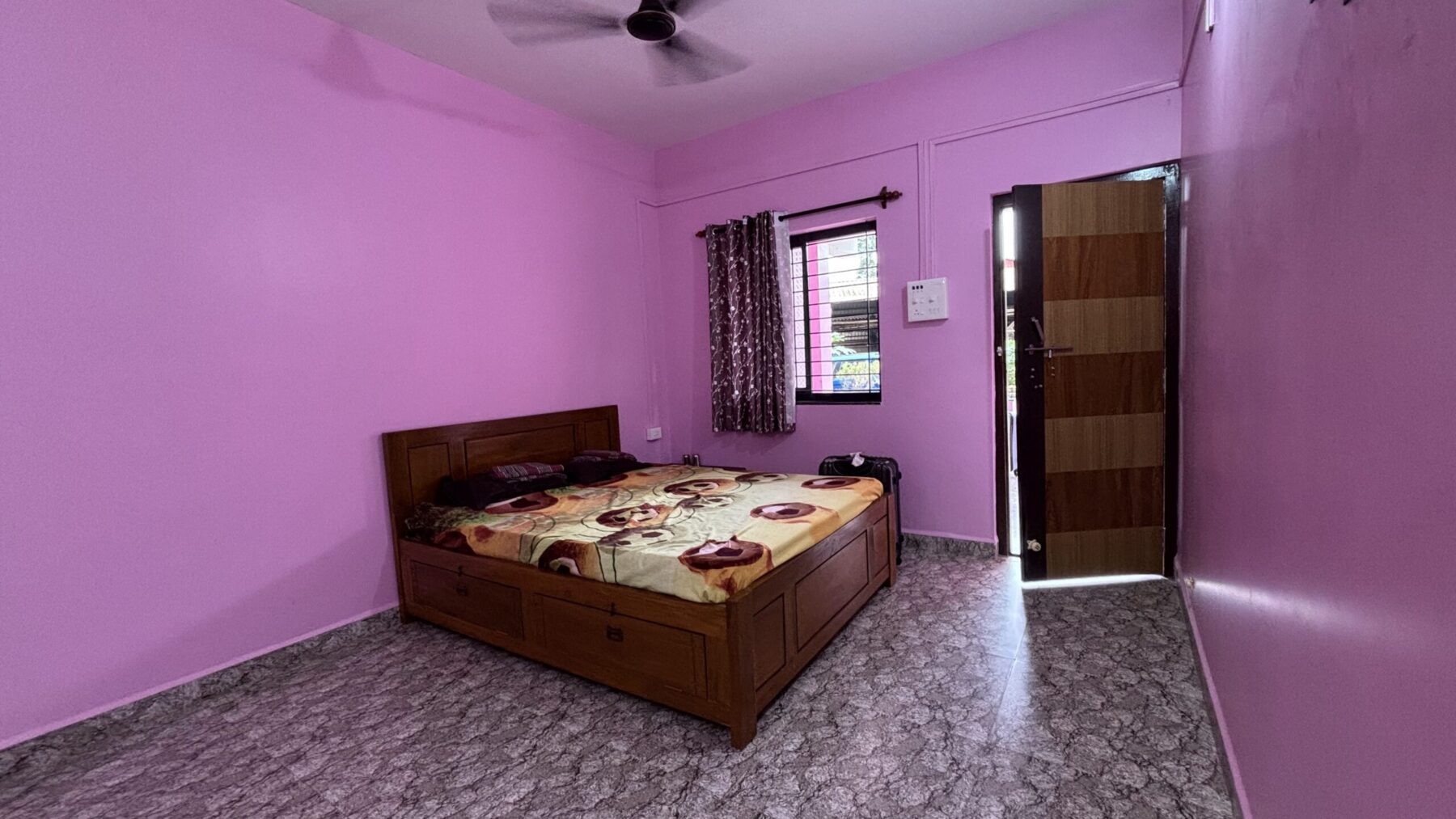
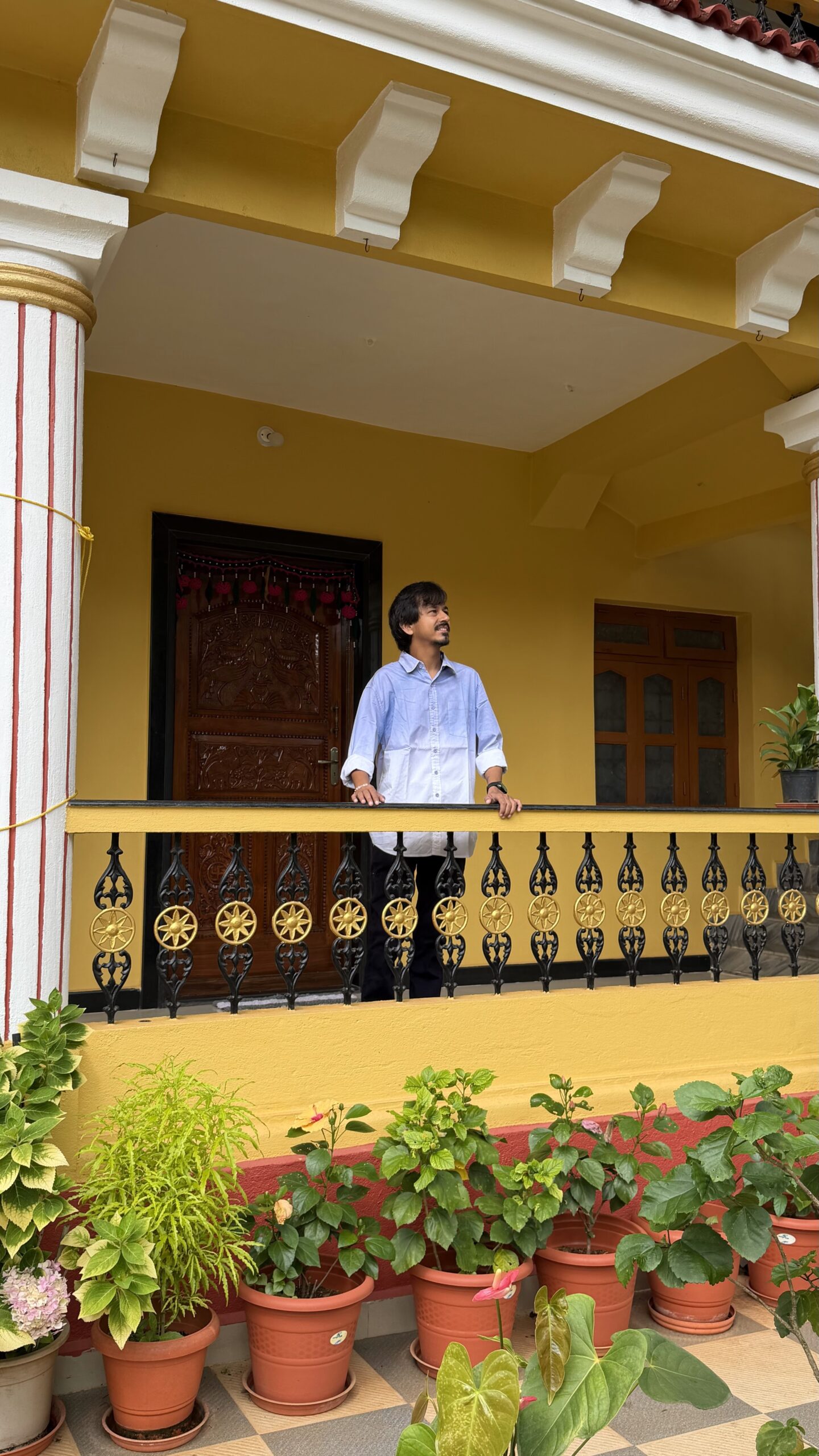
Our trail started at Upasana, an Airbnb in Kolamba near Rivona. Dinner on the first evening was freshly prepared home food by Anuradha, the host.
The following morning brought us to Rushivan Homestay in Rivona for a traditional Goan Hindu breakfast. Rivona itself rewards curious travellers with remarkable heritage, including ancient Buddhist caves and prehistoric rock carvings and petroglyphs found at the Usgalimal prehistoric site, situated on the banks of the Kushavati River.
Agonda: Where Fishing Families Welcome Guests
From the hills we travelled to Agonda, a beach at the right stage of development: Not yet overcrowded with tourists but with an adequate variety ot beachside amenities.
Lunch awaited us at Happy Home, run by Rupa Pagi and her family.
The Pagis are traditional fishers who have opened their home to visitors without abandoning their livelihood. Guests can accompany the family on dolphin-spotting trips, kayaking excursions and fishing trips.
Polem: A Less Visited Beach
By evening we reached Polem, Goa’s southernmost beach, just short of the Karnataka border, hardly discovered by tourists.
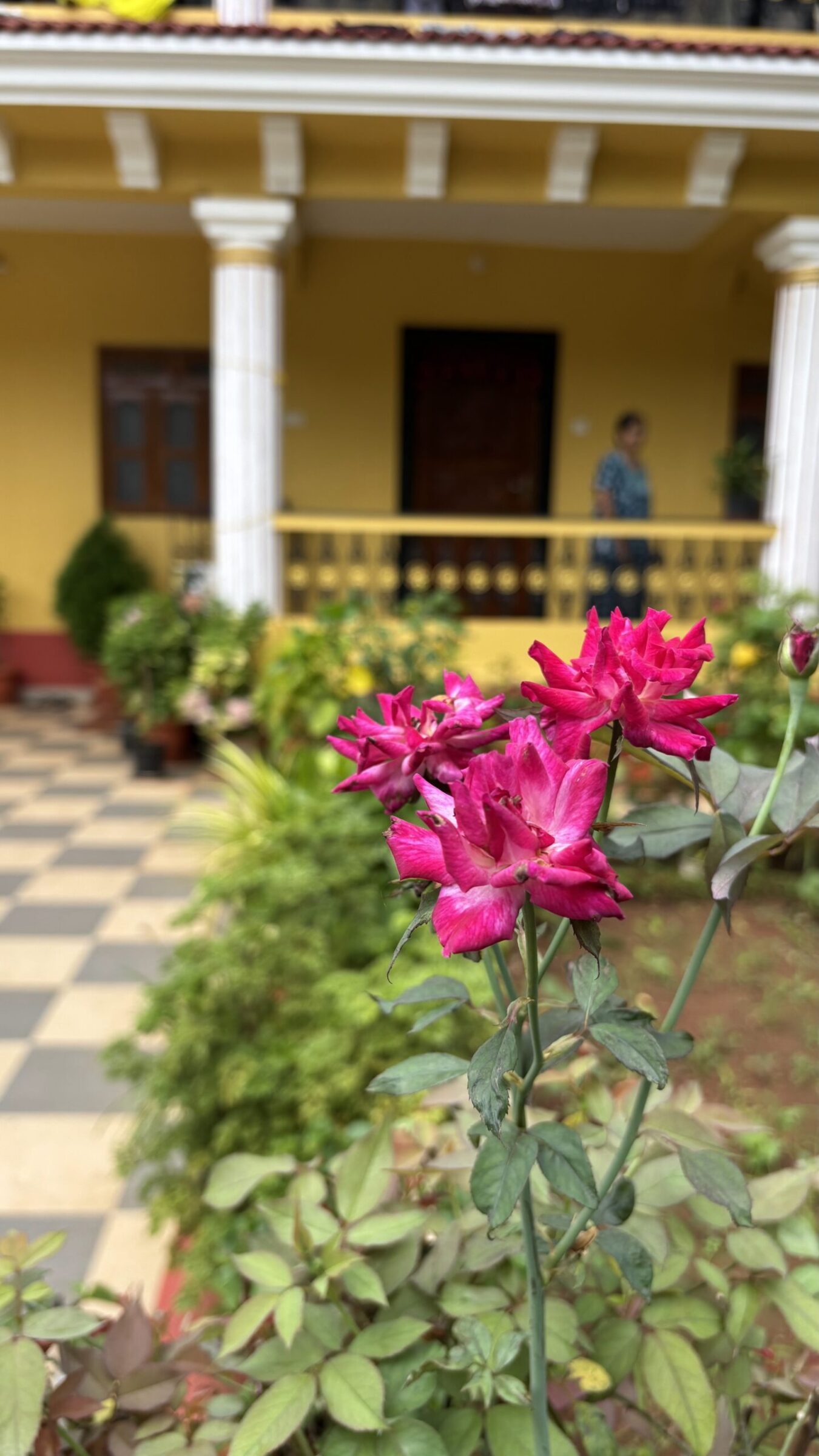
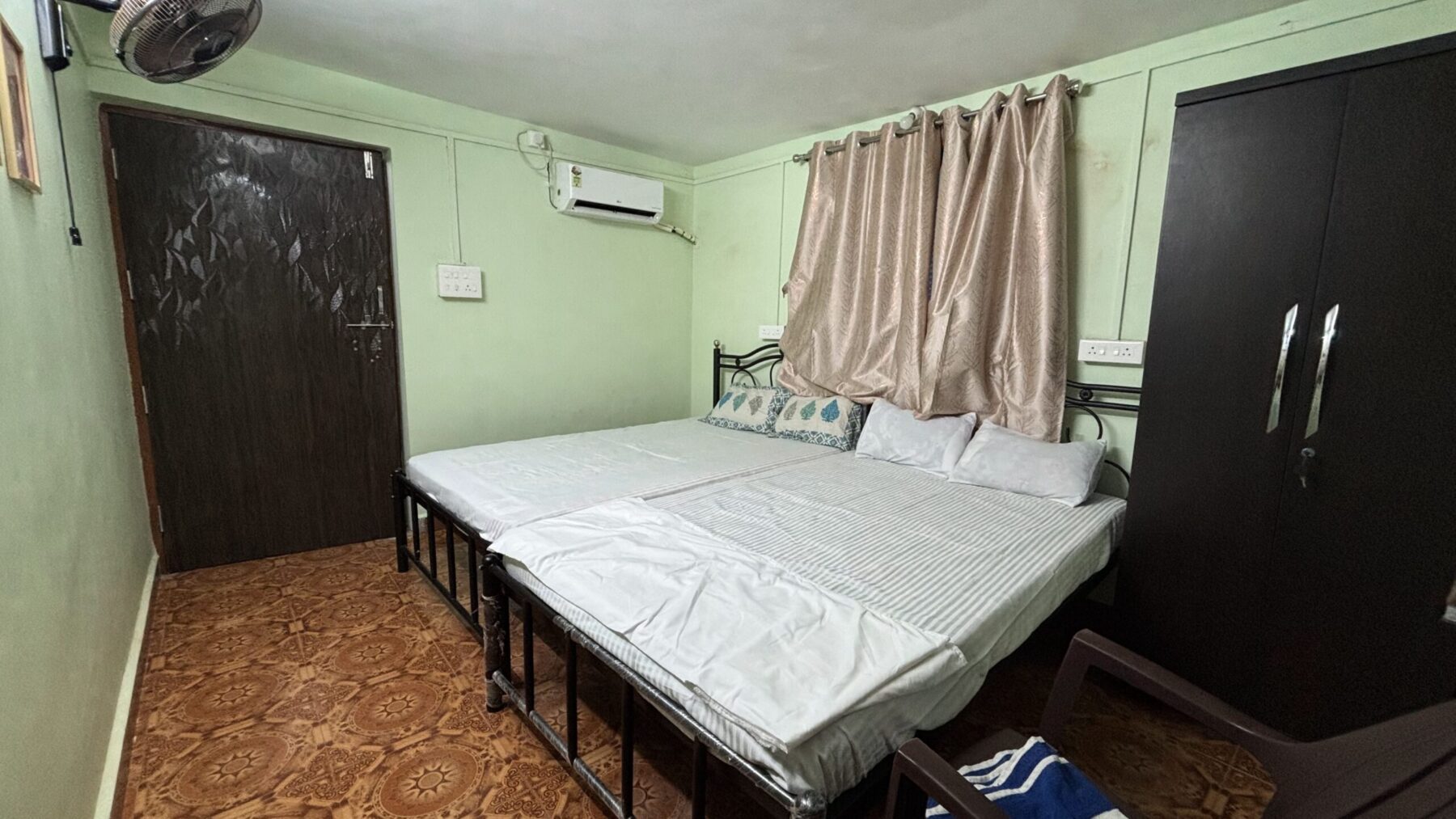
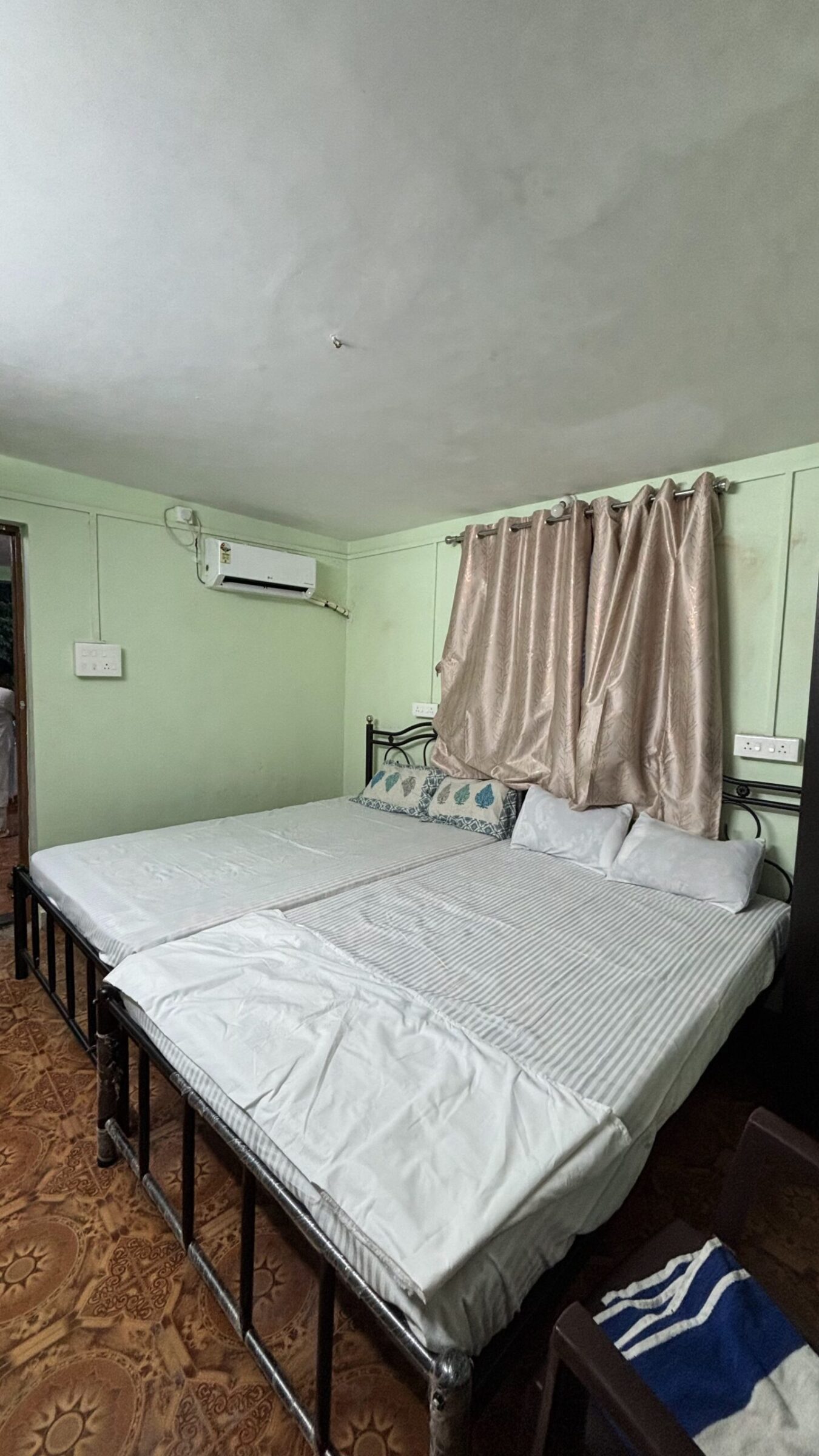
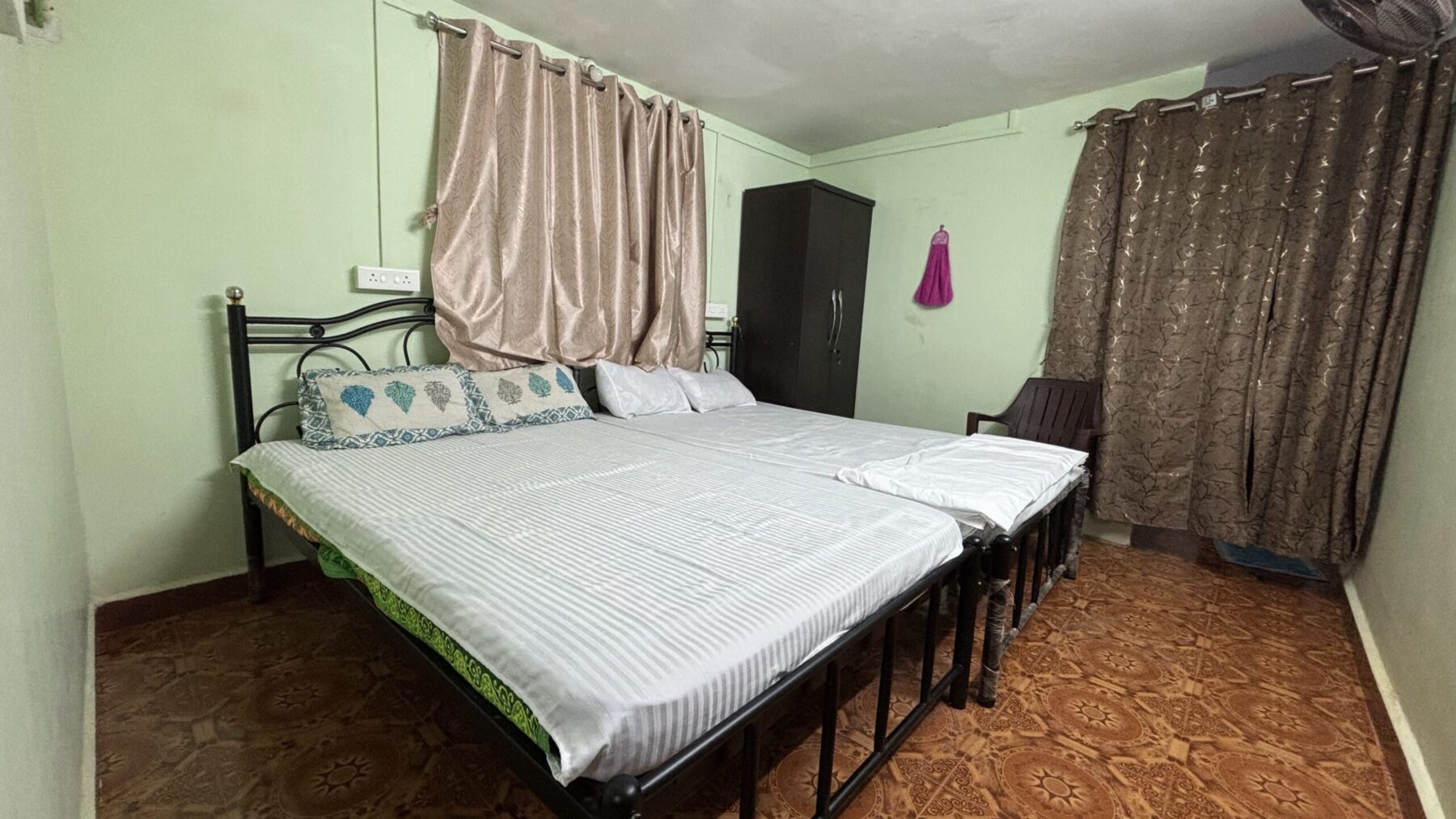
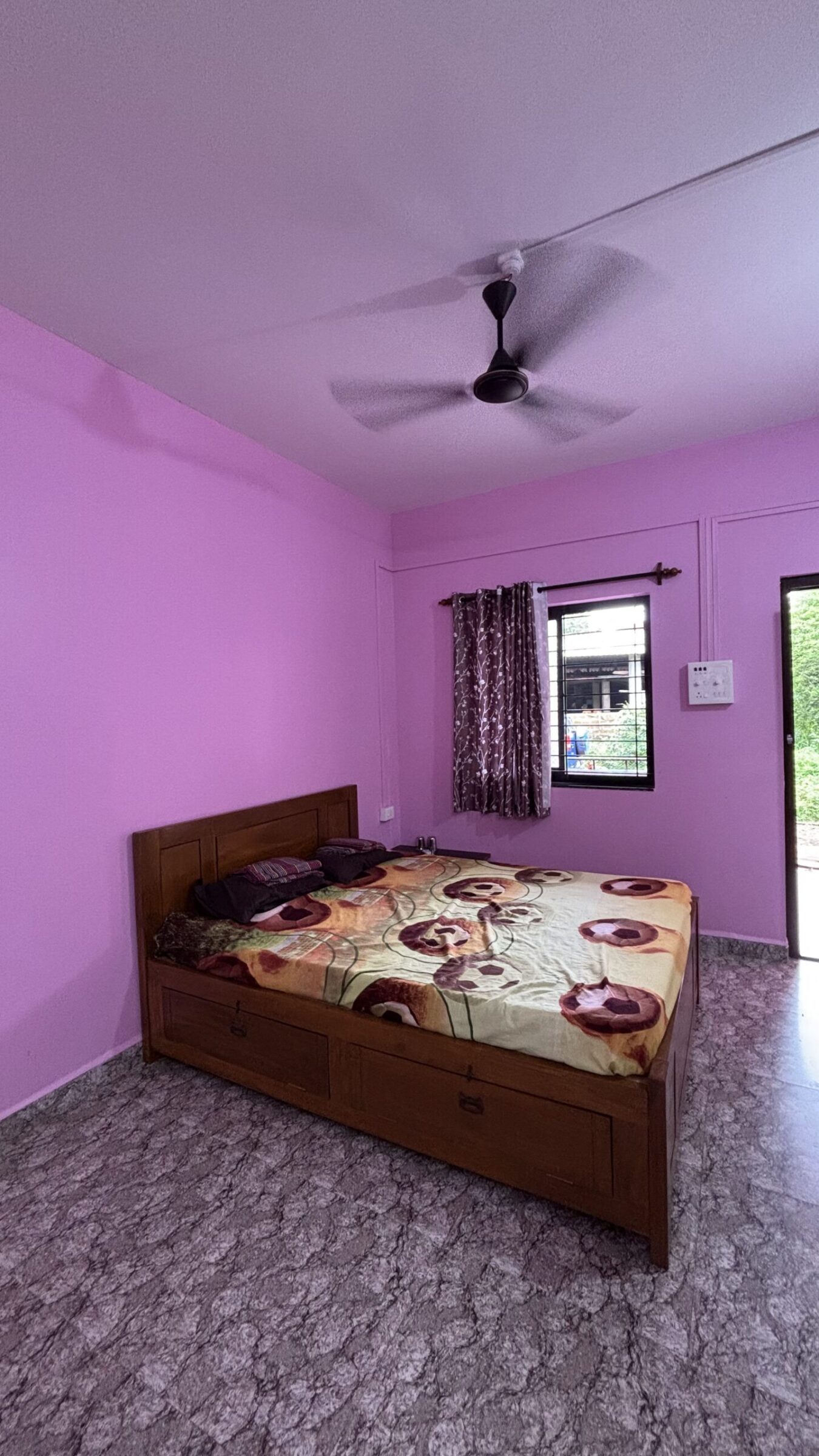
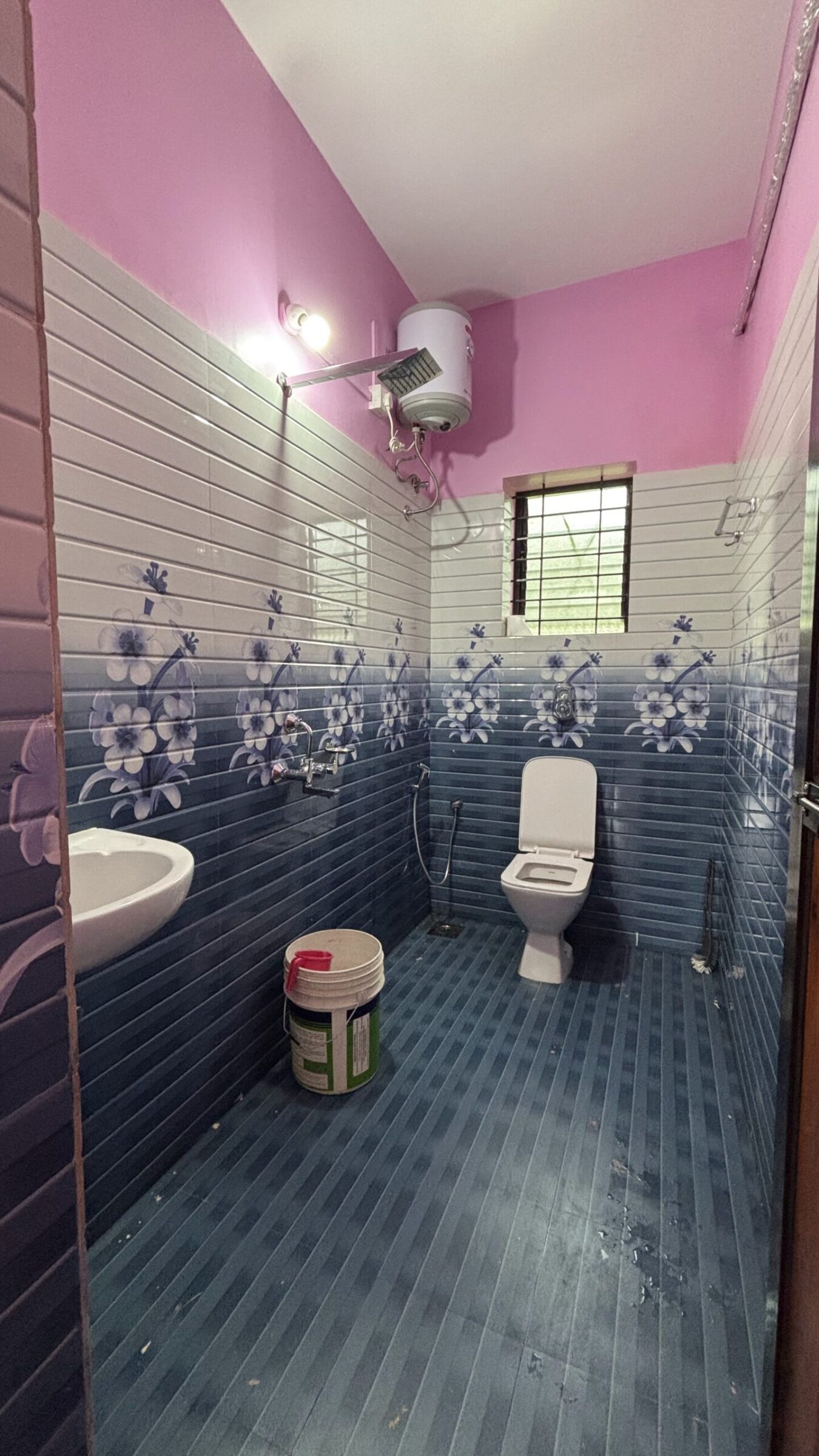
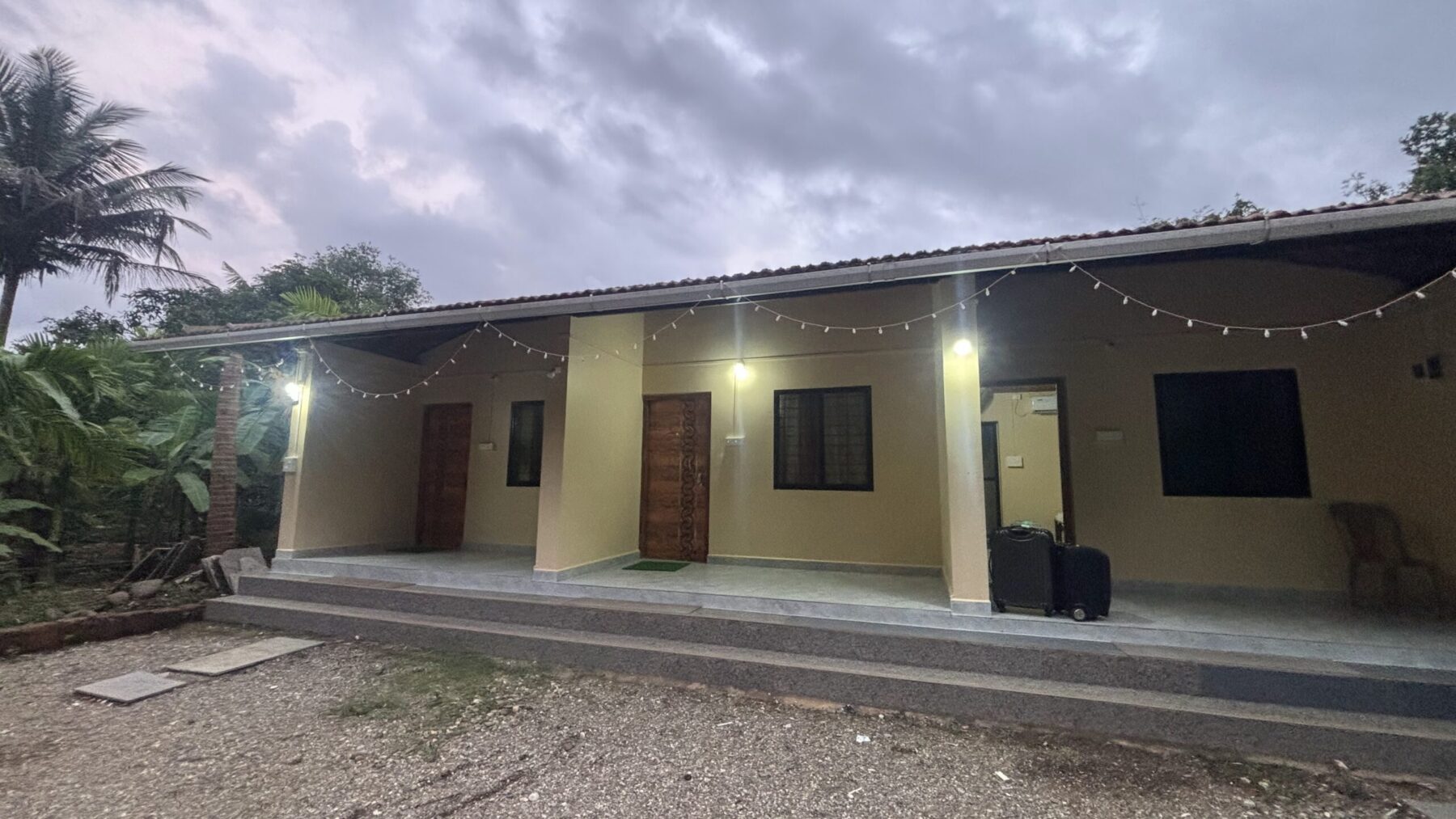
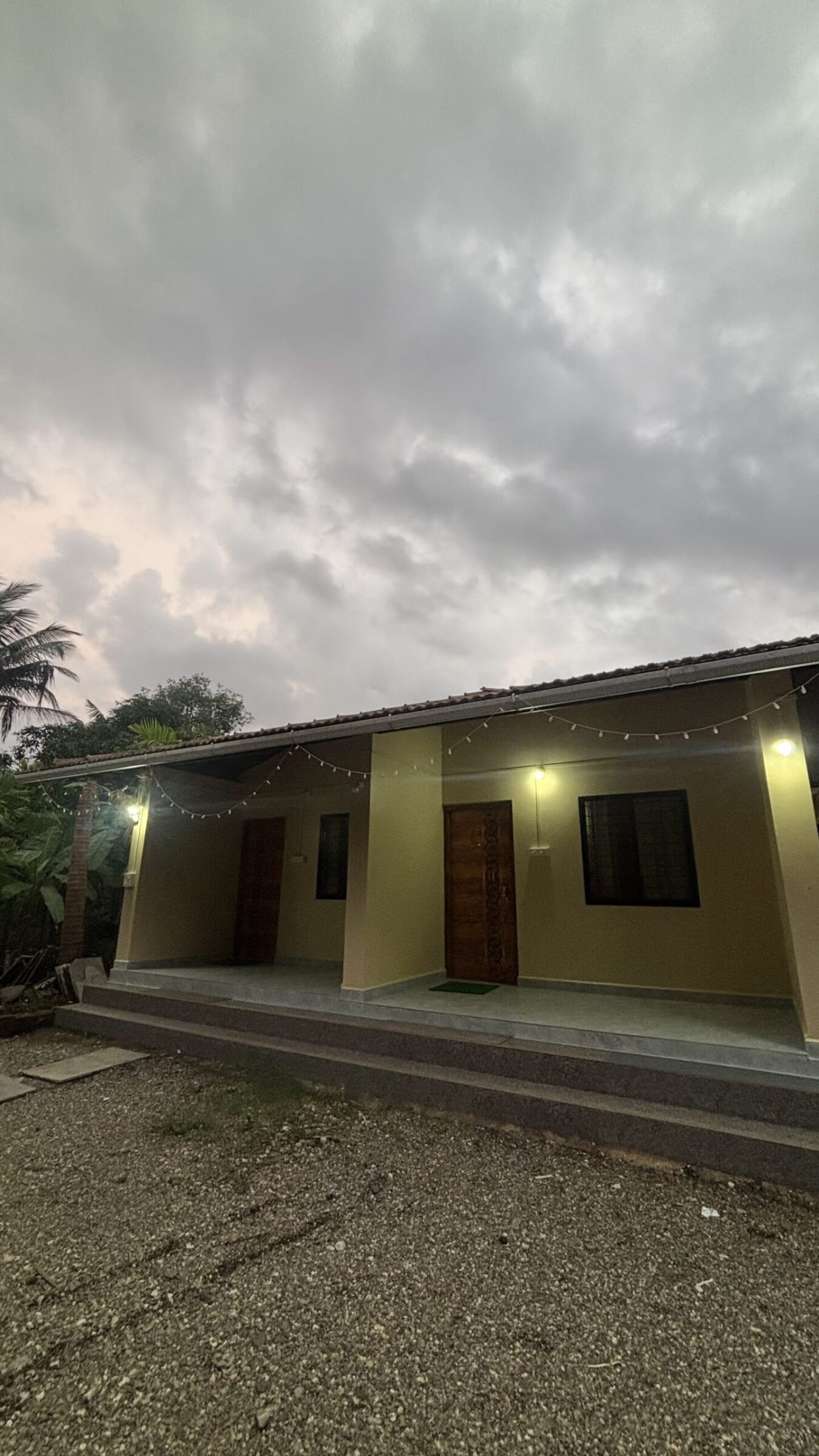
We stayed at Sea View Homestay, managed by Sujata, and the neighbouring homestay run by Ranjita.
Here, farm-to-table was not a fashionable concept but a way of life. Breadfruit, hog plum and coconut grew in the garden. Vegetables were harvested as needed. Every meal reflected the changing seasons and whatever nature offered that day.
Into the Western Ghats
Leaving the coast, our route climbed into the forests of Netravali Wildlife Sanctuary.
Known for its waterfalls, famous bubbling lake, spice and cashew plantations, strawberry farms and dense forests, Netravali offers a dramatically different face of Goa.
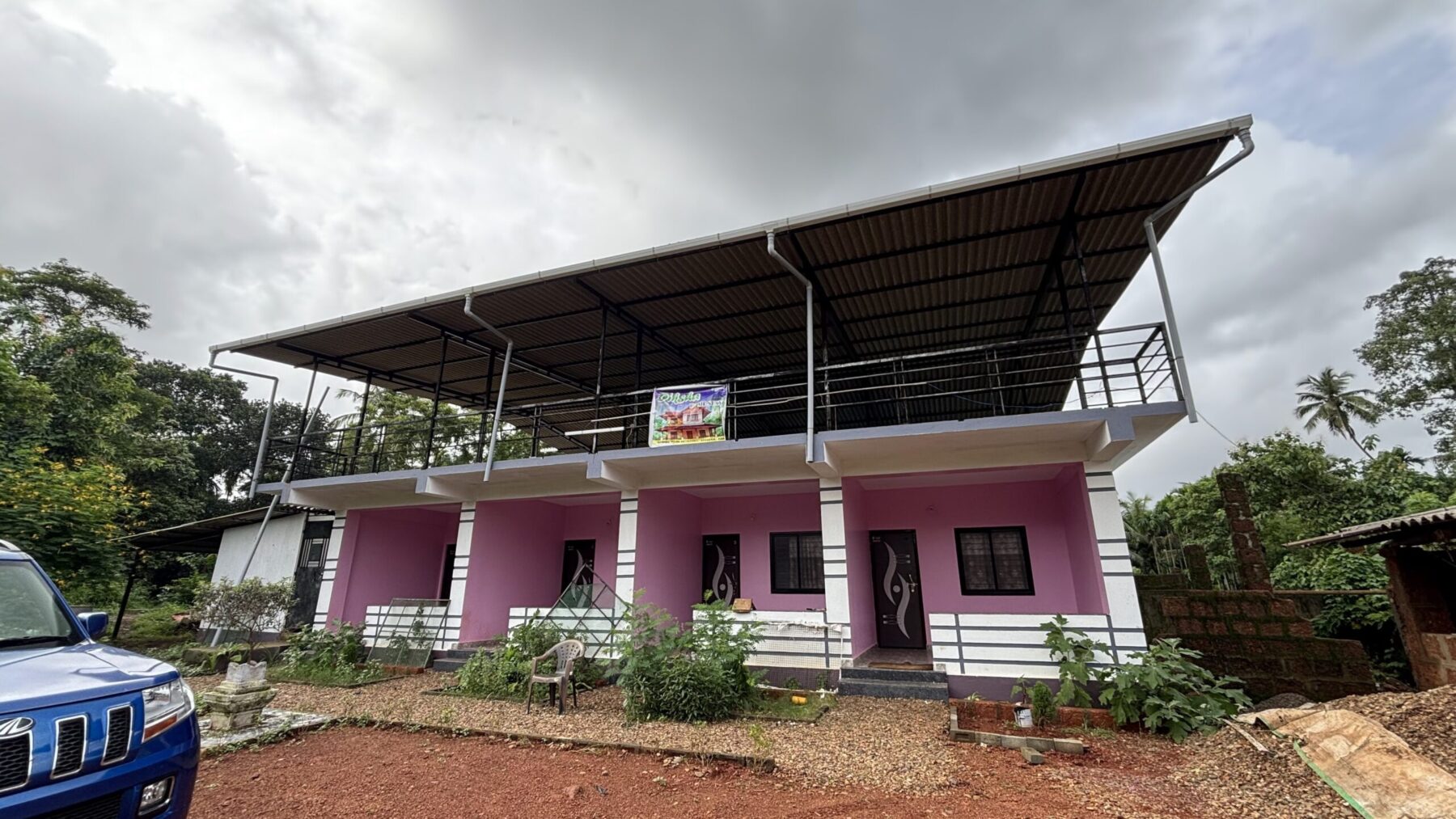
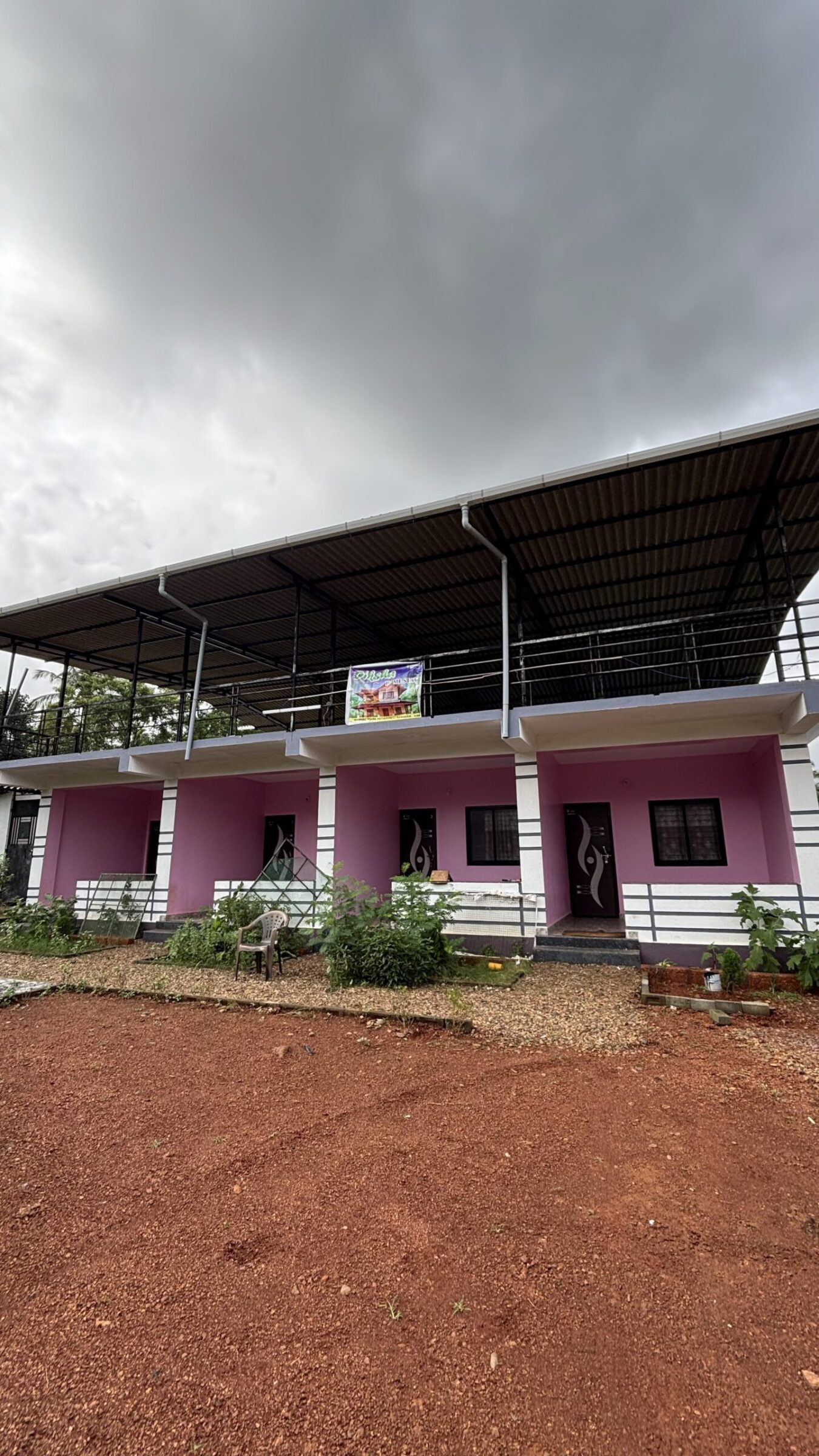
Lunch at Aditya Homestay celebrated fresh local produce, while dinner and our overnight stay at Dixa Homestay introduced us to vegetables and fruits harvested directly from the family’s own farm.
The forests trilled with bird calls, i saw magnificent pied hornbills in the distance.
The Forest Trails
We travelled down to the Carambolim Church and then to the Mollem Wildlife Sanctuary where we visited the Tambdi Surla Temple, a 13th century gem. There is a homestay named Jungle Trails here. We had a quick Goan lunch at Gayatri near the temple.
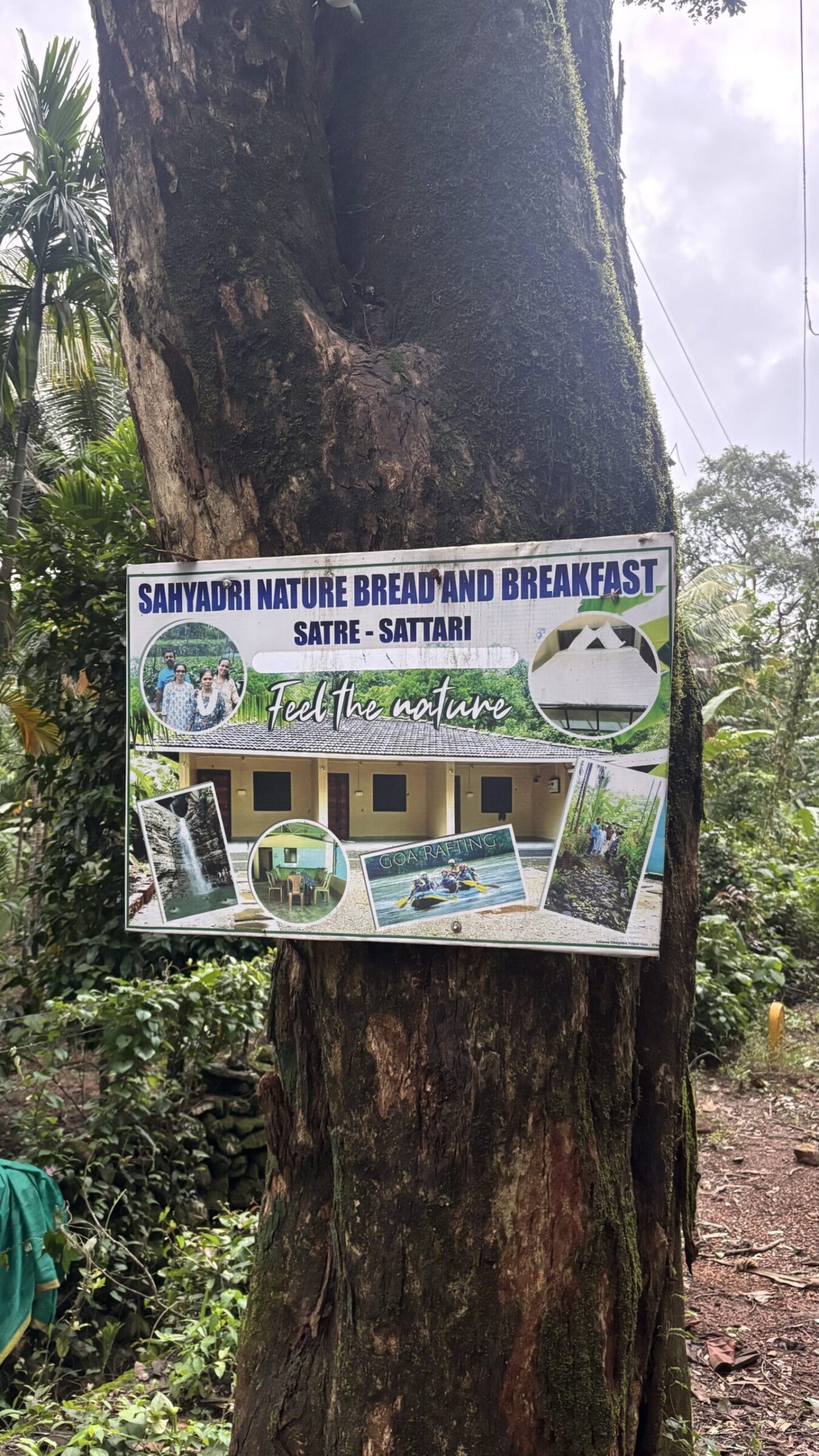
Further north, in the lush landscapes of Satari, we arrived at Sahyadri Bed & Breakfast.
Set beside a gently flowing river with thick forests rising behind it, the intimate three-room property felt wonderfully secluded.
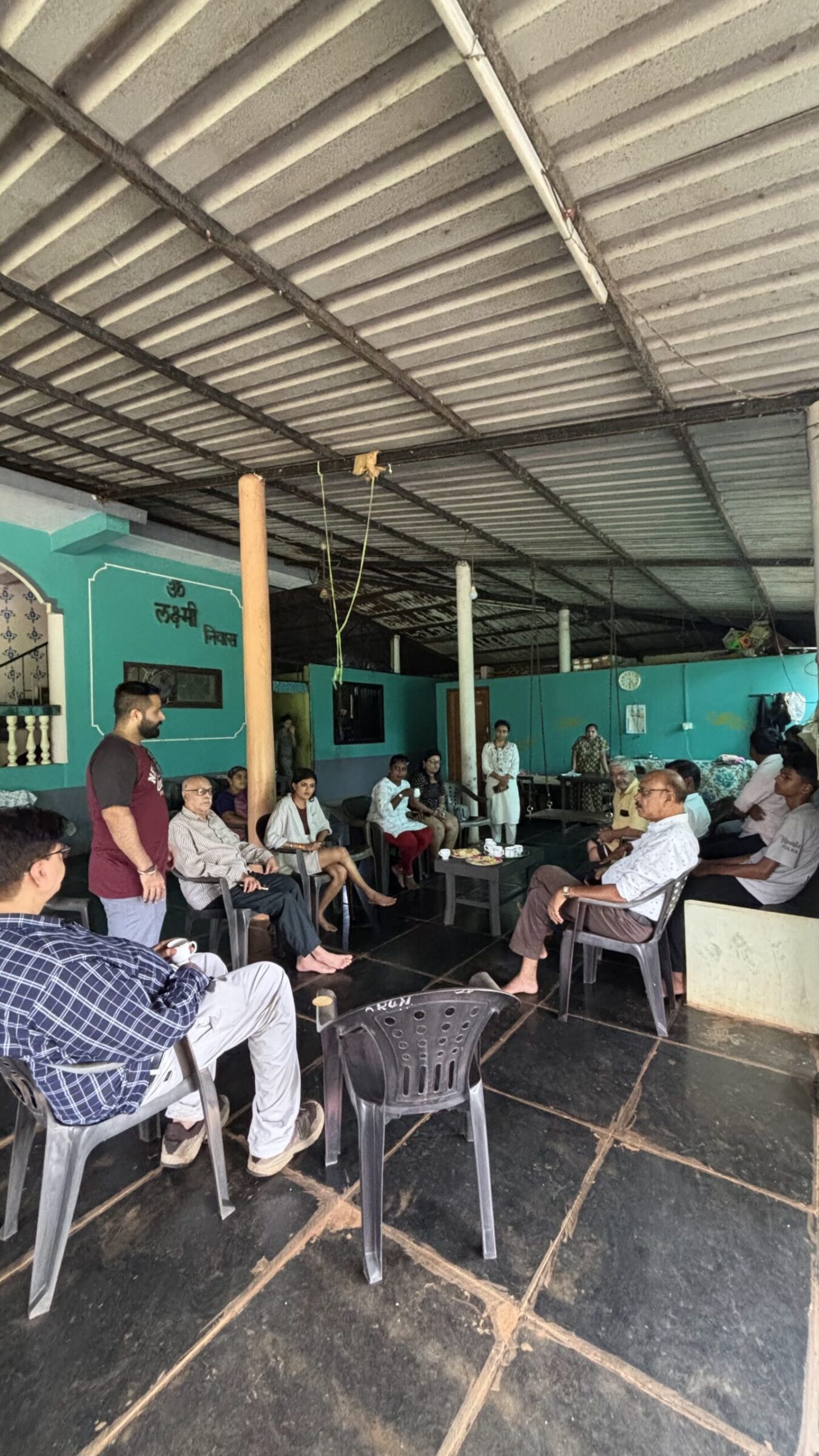
Hosts Divya and Demu joined us for dinner.
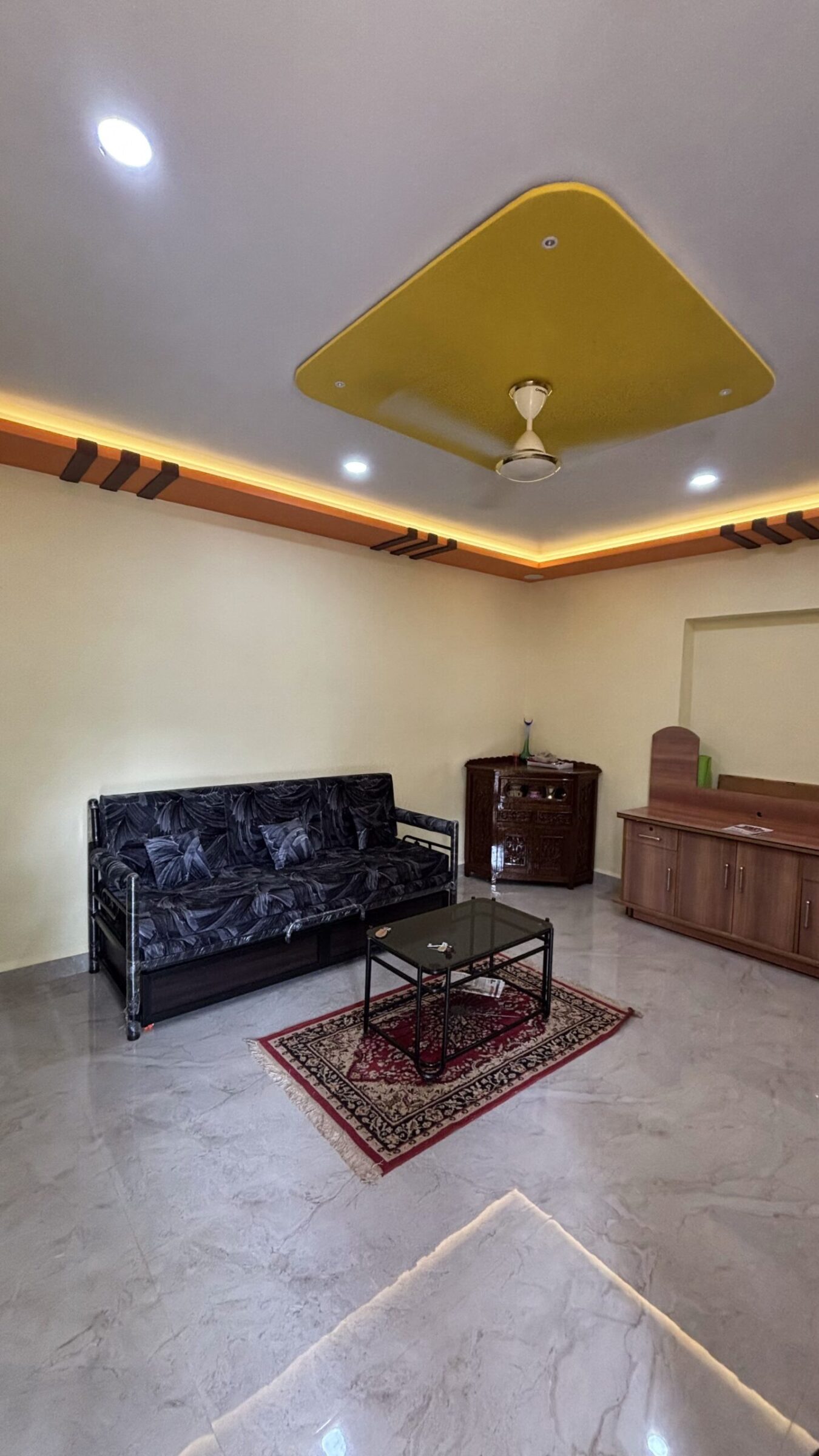
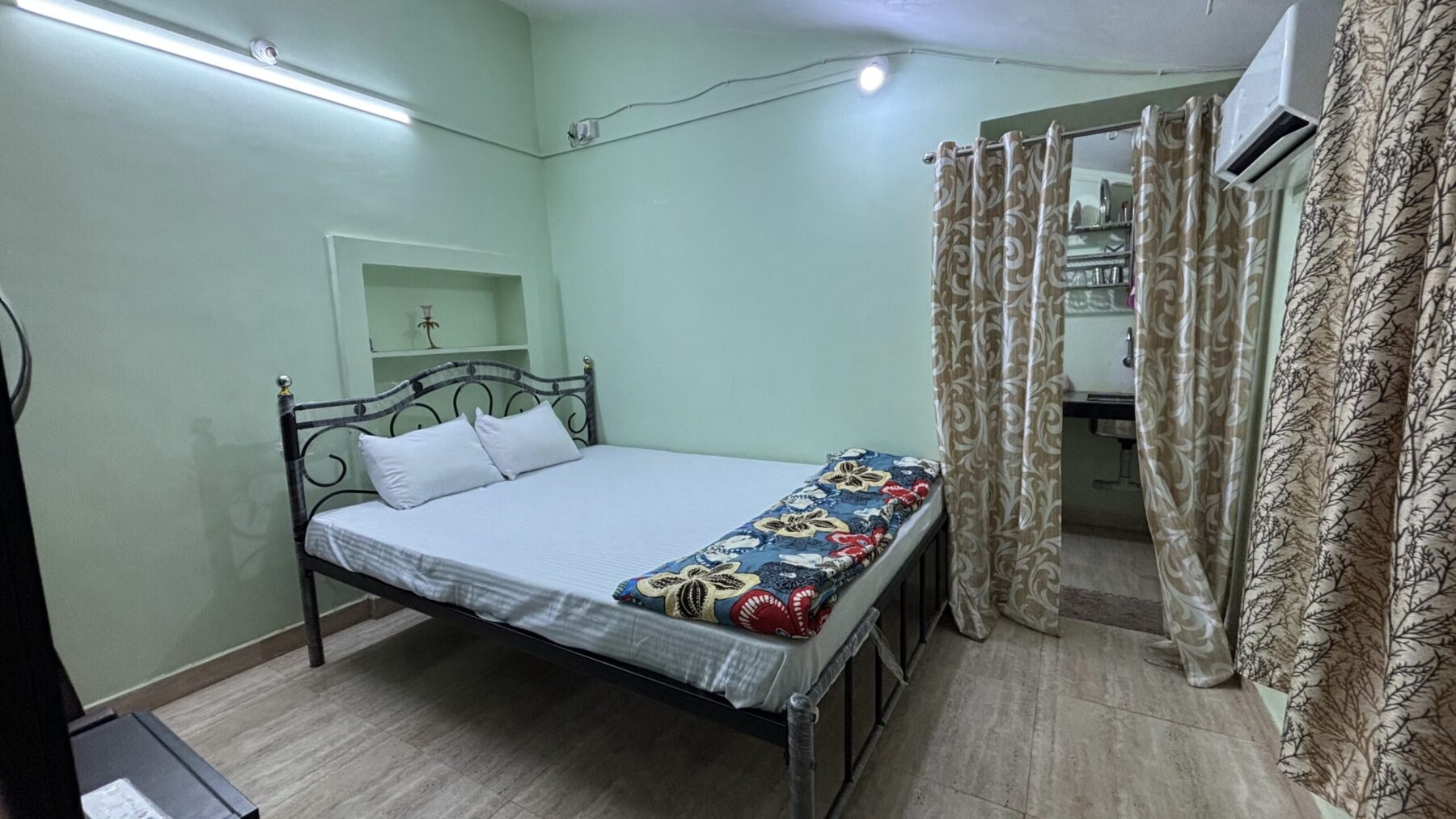
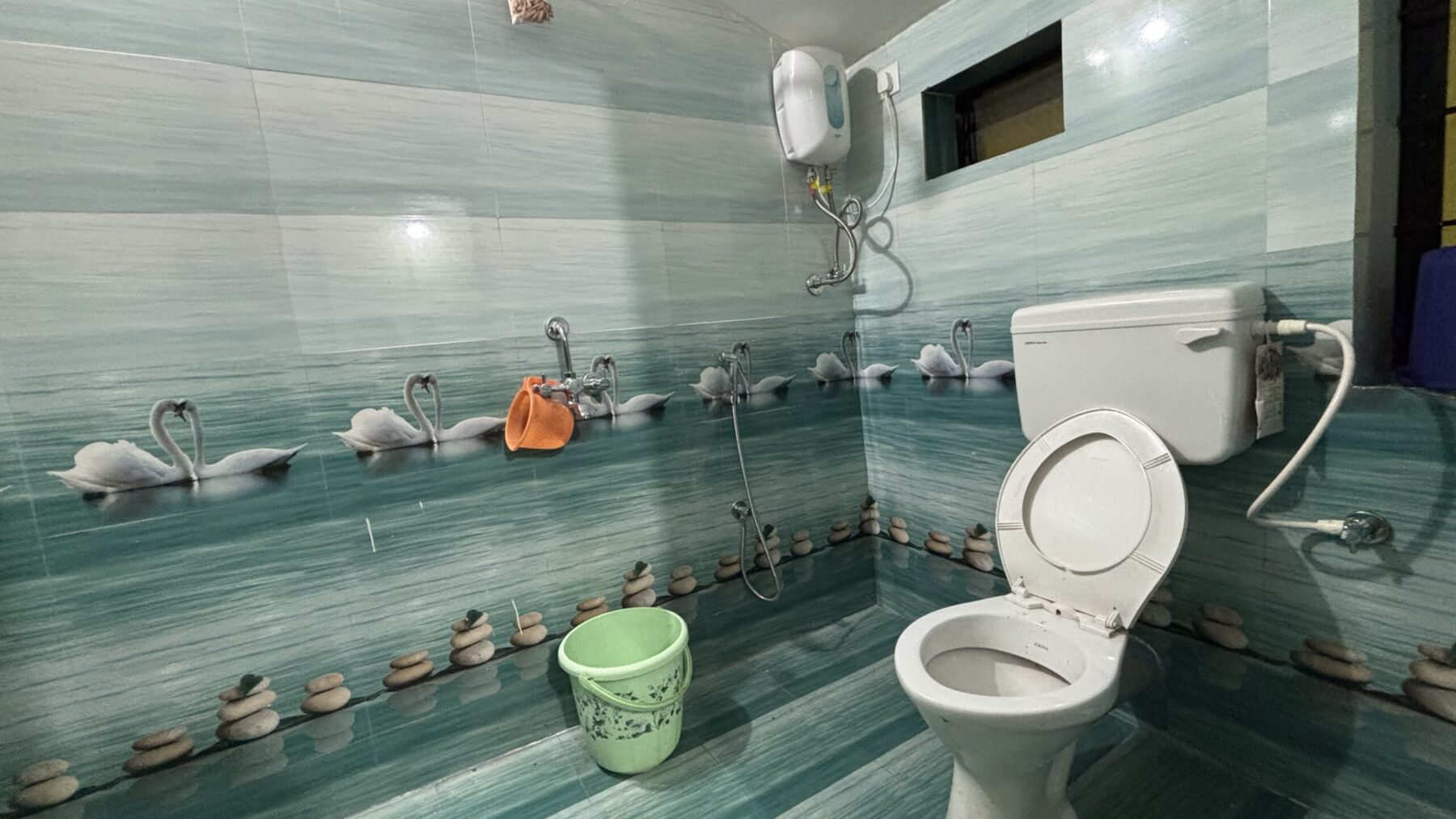
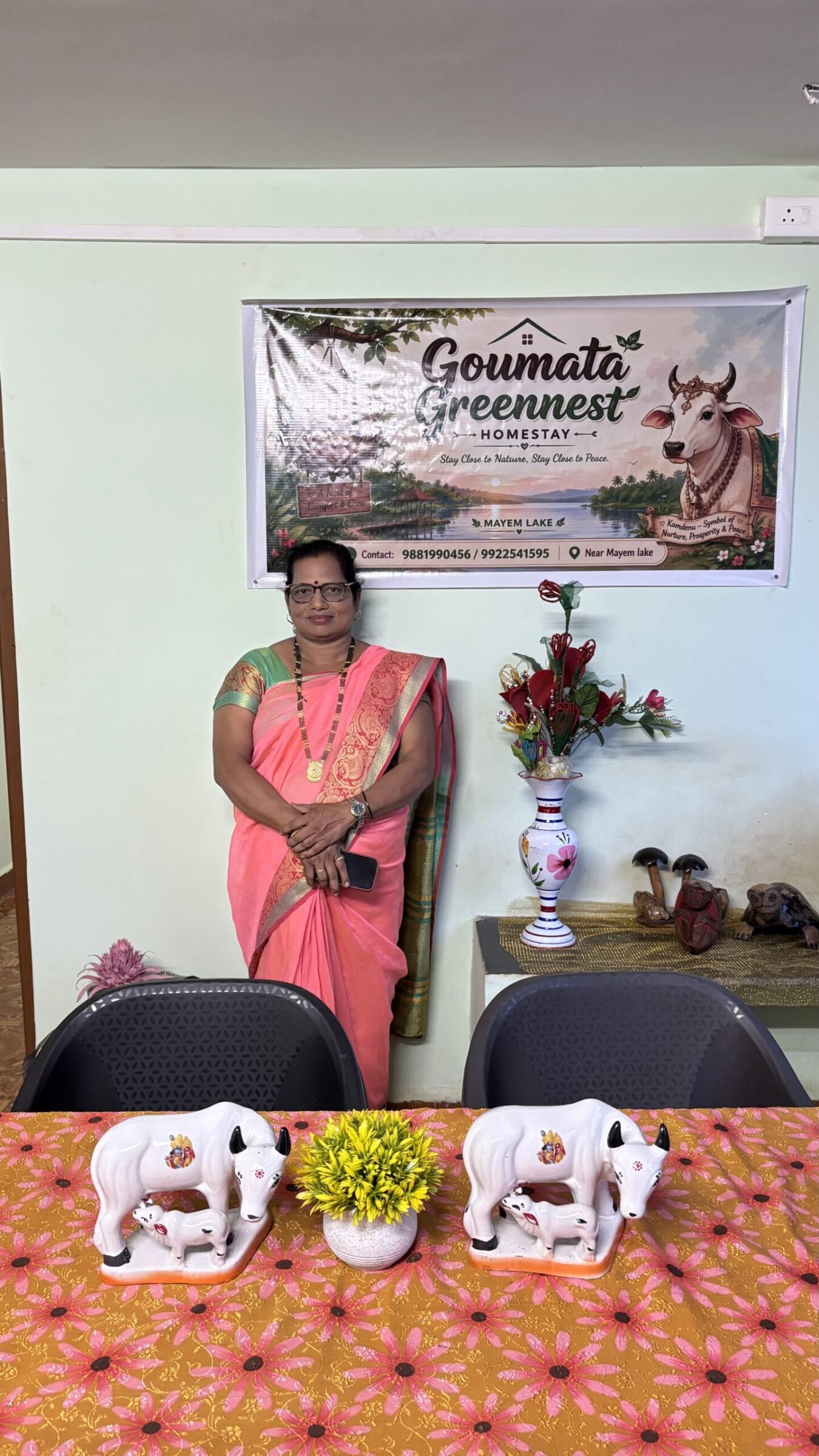
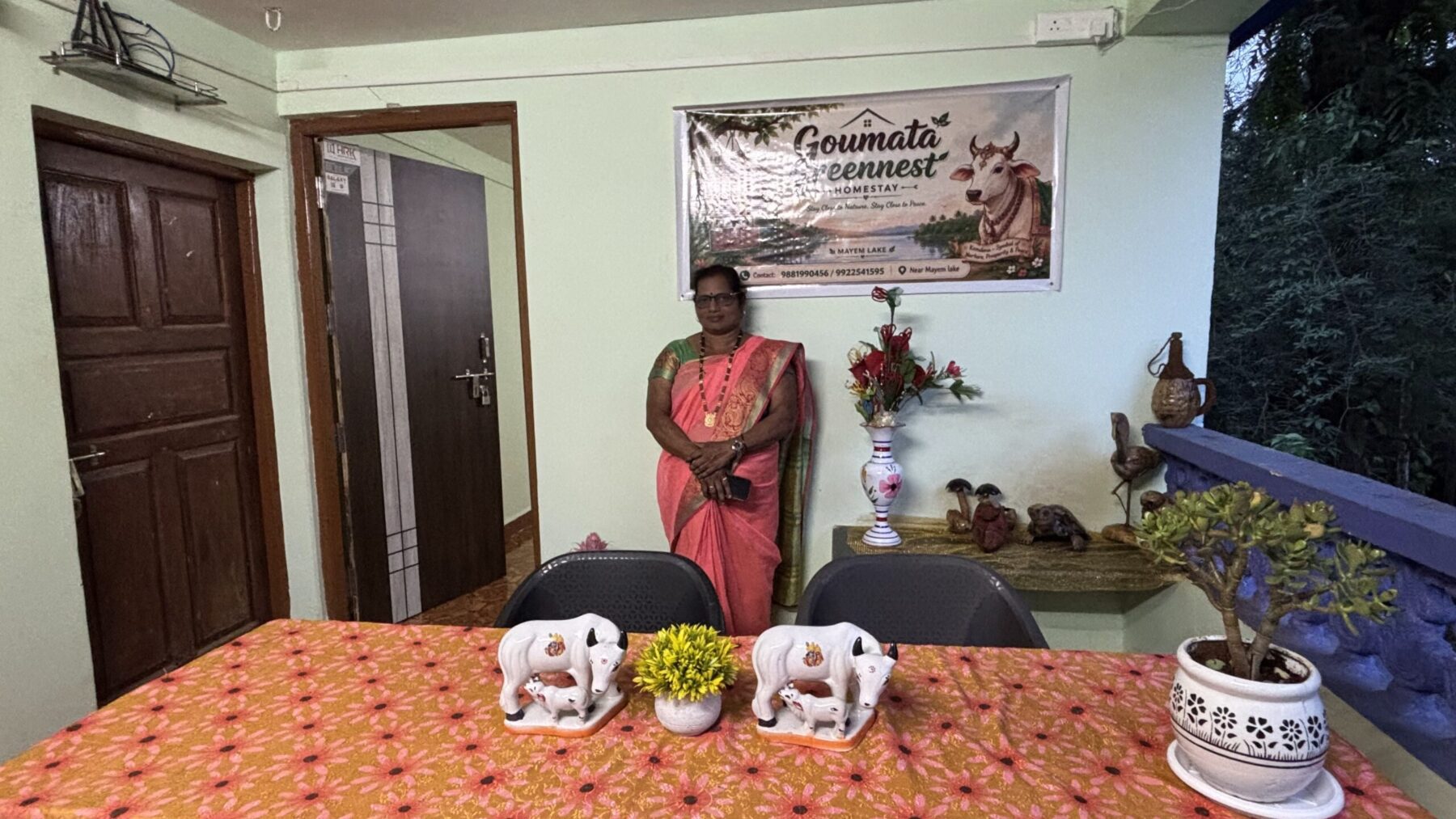
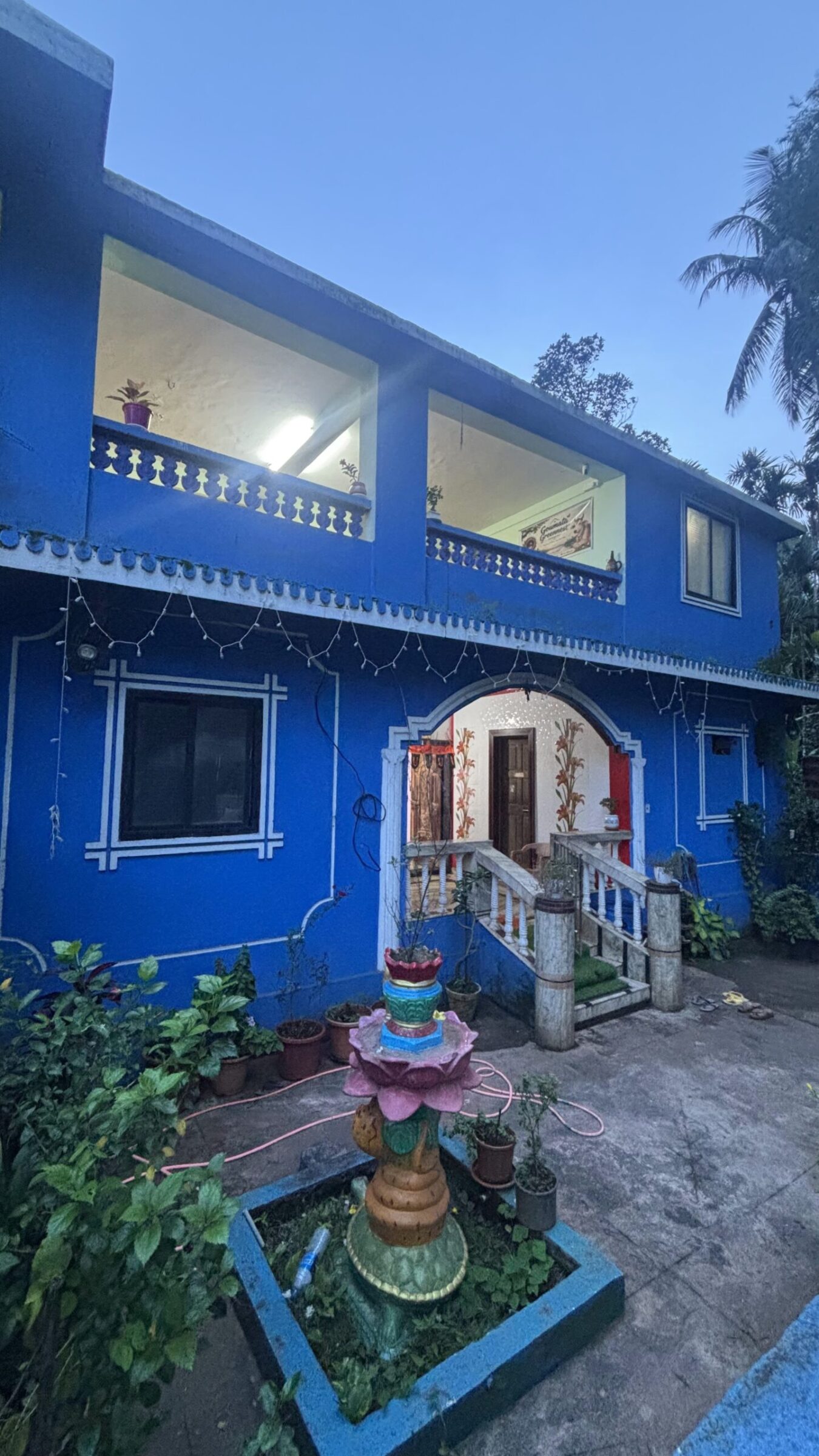
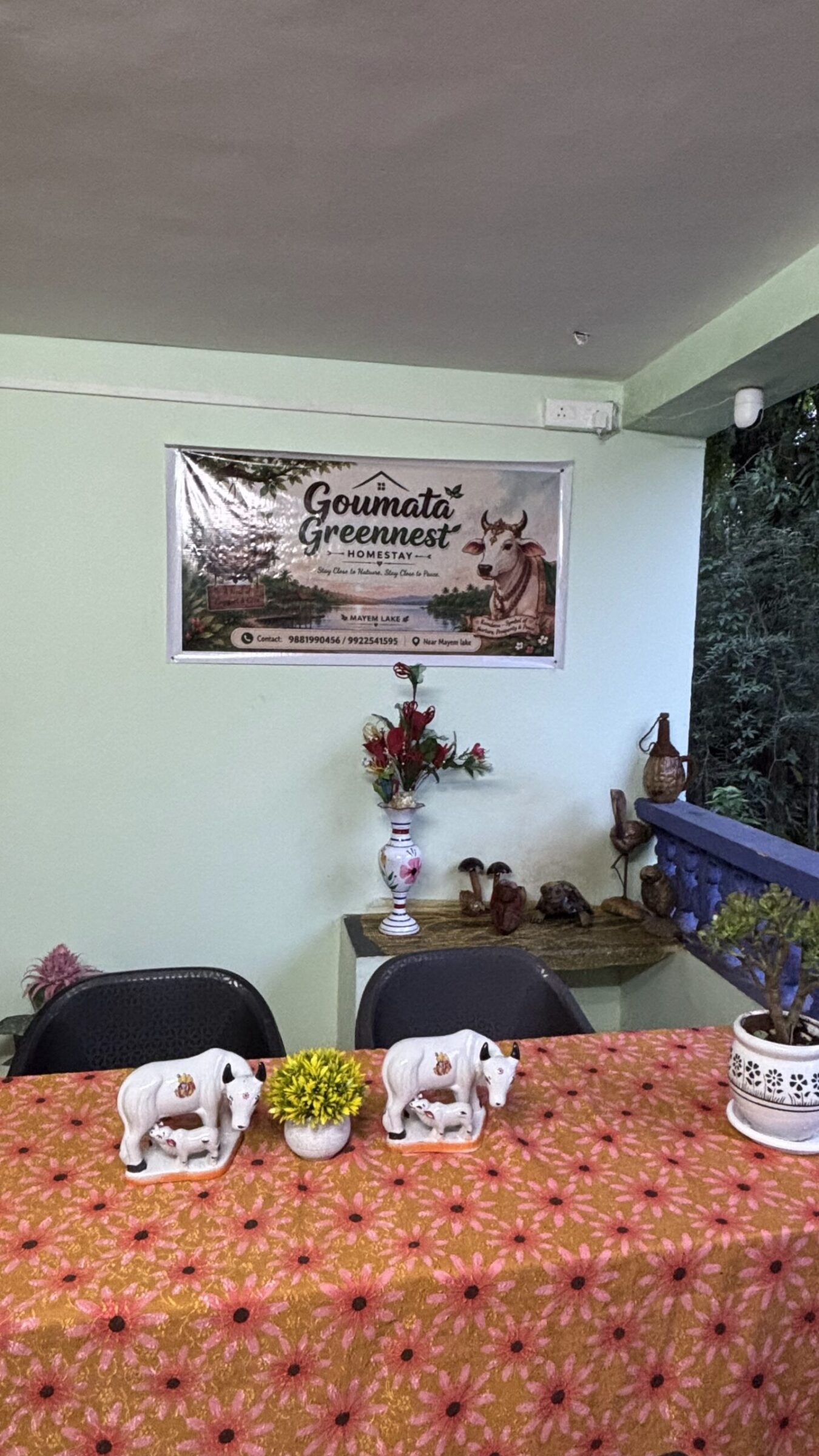
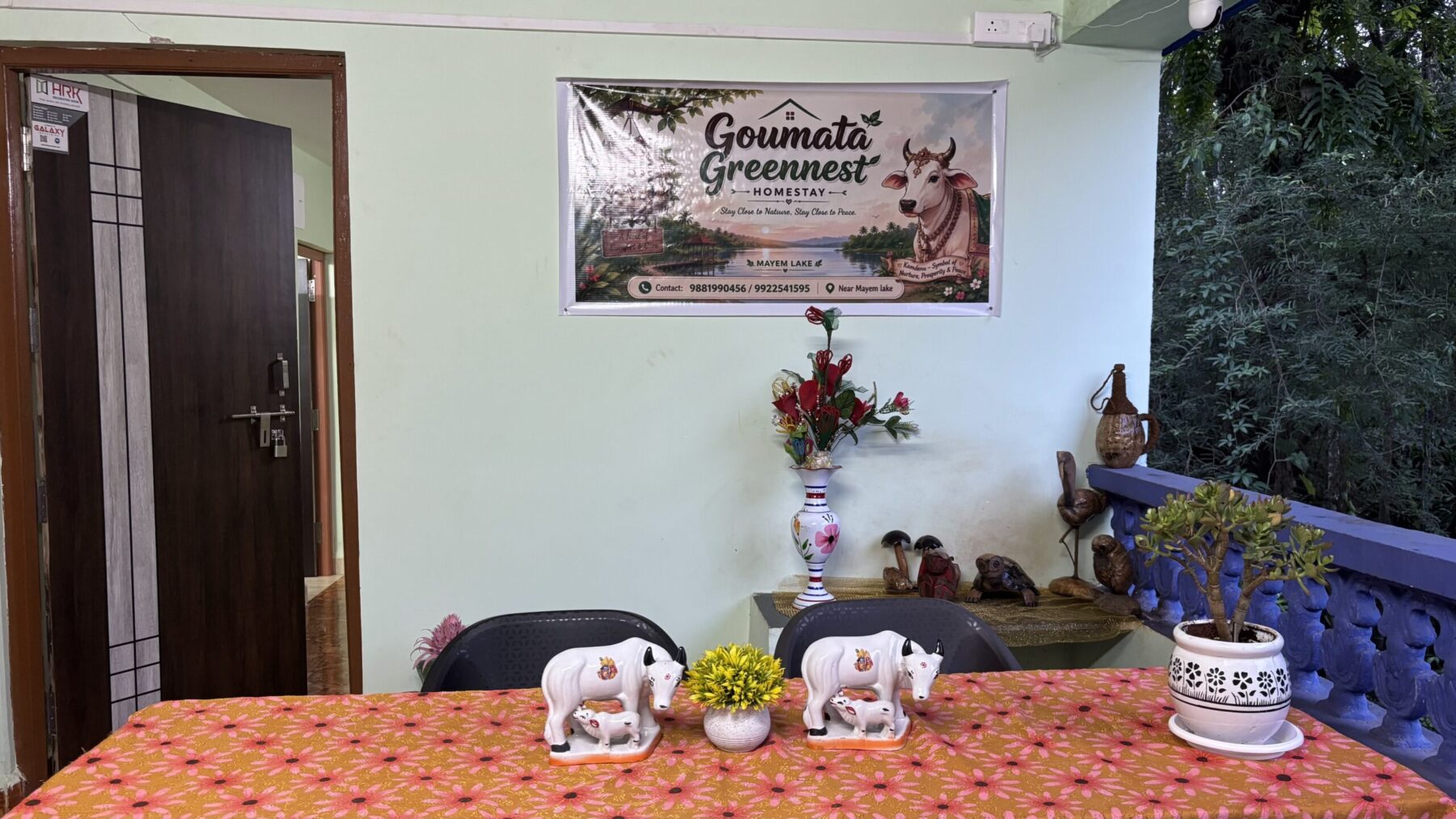
In the morning, we visited the swamp forests, Mayem Lake, Kajal’s Green Nest Homestay near the lake, Aravalem Falls and Shaivite Caves.
Mulgao: Preserving Everyday Traditions
Our final stop was Swastik Homestay in Mulgao, efficiently managed by Shruti.
Mulgao serves as an excellent gateway to several important Hindu temples and offers visitors an opportunity to experience another side of Goa’s cultural landscape.
Surrounded by coconut palms, the family still extracts its own coconut oil using traditional methods. Mulgao is a good place for sustainable farming walks and a traditional Goan lunch at a homestay.
To experience Tourist Goa vs the Hidden Goa, we drove 55 minutes from Mulgao to Baga, known for its beachside amenities, cafés, music and holiday vibes.
Tourism with a Human Face
The Hum Sab EK network is about much more than accommodation.
Each homestay supports a rural woman entrepreneur. Every guest contributes directly to household incomes. Local produce finds new markets. Traditional recipes continue to be cooked. Handicrafts gain visibility. Young people discover opportunities within their own communities, not having to migrate.
For travellers, the rewards are equally meaningful.
Instead of anonymous hotel rooms, there are homes filled with stories.
Instead of buffet meals, there are recipes that have never been written down.
There are genuine conversations around the family dining table.
A Different Way to Discover Goa
As Goa continues to welcome millions of visitors each year, initiatives like Hum Sab EK demonstrate that tourism need not be confined to beaches and resorts.
The state’s forests, farms, rivers, fishing villages and mountain settlements offer equally compelling experiences—especially when explored through the people who live there.
Bookings
Polem beach
https://www.airbnb.co.in/rooms/1507032427965483204
https://www.airbnb.co.in/rooms/1507038591446901810
Rivona
https://www.airbnb.co.in/rooms/1190148400037385817
Satari
https://www.airbnb.ie/rooms/1546923203377062893
Bicholim (Mayem – Mulgao)
https://www.airbnb.co.in/rooms/1228698322334666456